Hindu philosophy consistently invites seekers to redirect attention from nāma-rūpa (names and forms) to kāraṇa (cause), the unchanging ground of reality. Across Vedānta and allied darśanas, this movement from the seen to the seer, from effect to cause, is not a rejection of the world but a disciplined shift of emphasis. It is an invitation to discern what endures beneath appearances, thereby transforming spiritual practice, ethical life, and contemplative insight.
Forms, in this context, encompass all percepts and concepts: sensory objects, social identities, rituals, liturgies, sacred images, doctrines, emotions, and even the subtle architectures of thought. They are indispensable at the level of lived experience yet remain changeful. The “cause of all forms” denotes the non-contingent substratumBrahman in Advaita Vedāntawithin and beyond which forms arise, abide, and subside. To focus on cause is to privilege what is self-luminous over what borrows light.
The Upaniṣads articulate this orientation with remarkable precision. Chandogya Upaniṣad (6.2.1) affirms ekam eva advitiyam“the One without a second”while (3.14.1) declares sarvam khalvidam brahma“all this is indeed Brahman.” Bṛhadāraṇyaka (2.3.6) offers the apophatic method neti neti“not this, not this”to loosen fixation on finite attributes. These statements do not deny the world; they contextualize it within a deeper ontological horizon.
Vedāntic discourse distinguishes vyāvahārika (empirical) from pāramārthika (ultimate) reality. Māyā, properly understood, is not “mere illusion” but the principle of dependent appearing that renders the manifold intelligible at the empirical level. This two-level analysis clarifies how one may honor forms as functional in practice while refusing to absolutize them metaphysically.
The Bhagavad Gītā reinforces this discernment. Its ontological economy is distilled in nāsato vidyate bhāvo nābhāvo vidyate sataḥ (2.16): the unreal has no being; the Real never ceases to be. It adds a theocentric pivotmattaḥ parataraṁ nānyat kiñcid asti dhanañjaya (7.7)there is no truth superior to the Divine. At the same time, it affirms plural pathways: ye yathā māṁ prapadyante tāṁs tathaiva bhajāmy aham (4.11), signaling that diverse practices can serve a single realization.
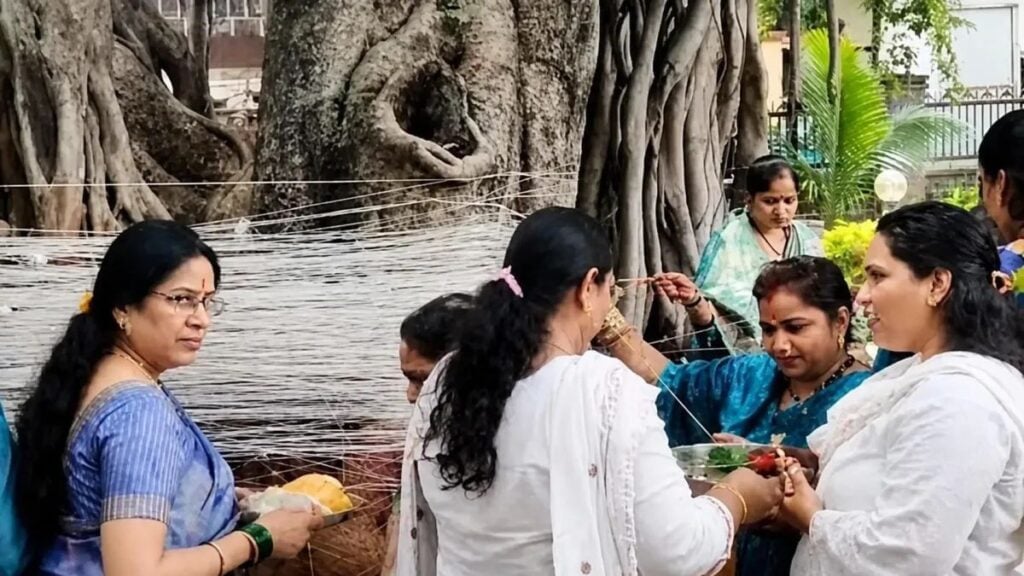
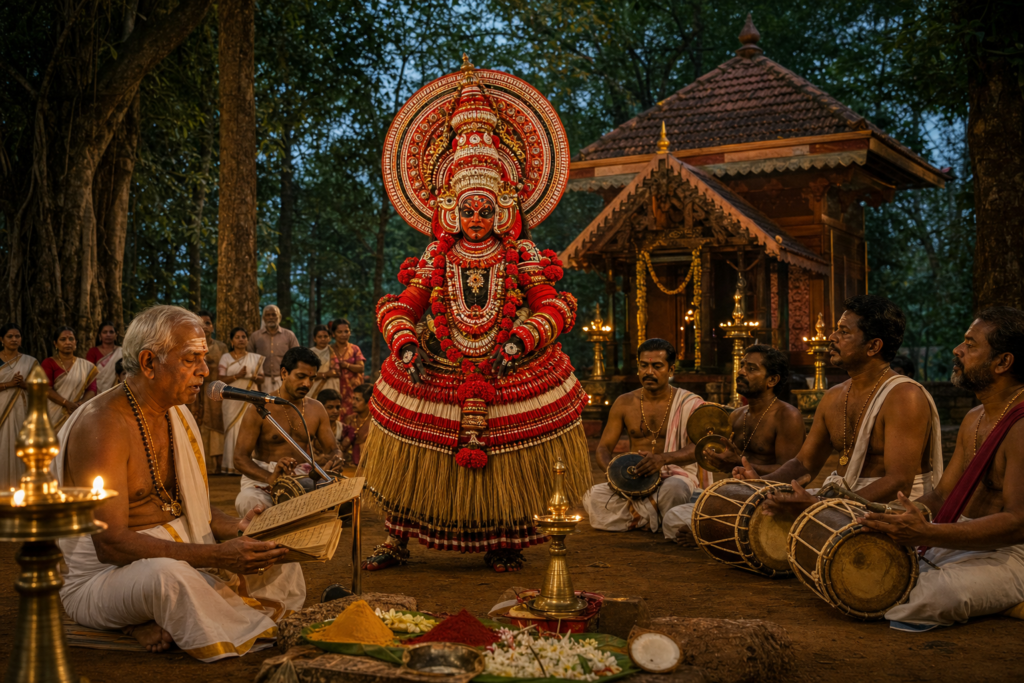
Therefore, the guidance to “avoid the trap of forms” is not iconoclasm. Forms are upāyaskillful meanswhose purpose is soteriological rather than self-referential. When forms are treated as ends in themselves, spiritual energy disperses into comparison, contention, and superficiality. When forms are recognized as means, they become luminous pointers, converging on the abiding cause they signify.
Within Hindu practice, this insight blossoms as Ishtadevotional orientation toward a chosen form (Ishta-devatā) that accords with individual nature (svabhāva). Ishta in Hinduism legitimizes multiplicity while maintaining a non-competitive telos: whether through Śiva, Viṣṇu, Devī, or the formless Absolute, worship matures into interiorization. The arc moves from saguna (with attributes) to the recognition of nirguna (beyond attributes), without denigrating the former.
Dharmic unity emerges naturally from this causal emphasis. Hindu, Buddhist, Jaina, and Sikh streams each cultivate a disciplined turn from fixation on phenomena to what grounds or liberates awareness. Their vocabularies vary, but the shared pedagogy is unmistakable: refine attention, loosen clinging, and realize what remains when the transient is seen as transient.
Buddhist thought illuminates the same terrain through pratītyasamutpāda (dependent origination) and śūnyatā (emptiness). “Emptiness” here signals the absence of independent self-existence in forms; it is not nihilism but the contingency that prevents reification. The two-truths doctrine (saṁvṛti and paramārtha) parallels the Vedāntic two-level analysis and safeguards compassionate engagement while pointing to unbinding insight.
Jaina philosophy contributes anekāntavādanon-one-sidednessand syādvādaqualified predication. Reality, viewed through dravya–guṇa–paryāya (substance–qualities–modes), cautions against absolutist claims about forms. This cultivated intellectual humility enables dialogue and refines metaphysical inquiry, aligning with the broader dharmic preference for plural methods leading to convergent wisdom.
Sikh tradition centers on Ik Onkar, the One Reality that is nirankar (formless), accessed through nām-simran (remembrance of the Divine Name) and embodied in seva (selfless service). This axis gently redirects devotion from external fixation to interior attunement and ethical action, providing another consonant path from forms to cause without disparaging the pedagogical value of communal discipline and sacred song.
The practical consequence across these traditions is methodological clarity. Whether the idiom is Upaniṣadic inquiry, yogic absorption, devotional surrender, meditative deconstruction, or disciplined service, the aim is a stable realization that is not hostage to circumstance. By aligning practice with cause rather than effect, seekers report greater lucidity, equanimity, and ethical coherence.
Jnana Yoga formalizes this trajectory through śravaṇa (systematic study of śruti), manana (reasoned reflection), and nididhyāsana (deep contemplative assimilation). The neti neti method pares away identification with transient adjuncts (upādhis), and ātma-vicāra (self-inquiry) stabilizes sakṣi-bhāvathe witness stanceuntil the knower is recognized as the light of knowing itself.
The Taittirīya Upaniṣad frames an experiential map via pañca-kośa viveka: annamaya (physical), prāṇamaya (vital), manomaya (mental), vijñānamaya (intellectual), and ānandamaya (causal/bliss) sheaths. Discriminating consciousness from each sheath dismantles misidentification with forms at progressively subtler levels, culminating in the recognition that consciousness is not an object among objects but the condition for all appearing.
Rāja Yoga, summarized in yogaś citta-vṛtti-nirodhaḥ (Yoga Sūtra 1.2), subdues the modifications of mind that idolize forms. Through pratyāhāra (withdrawal of senses), dhāraṇā (steadfast attention), and dhyāna (unbroken contemplation), practitioners cultivate one-pointedness, often reporting a marked decline in compulsive reactivity and a rise in baseline clarity.
Bhakti Yoga converts form-attachment into transparent devotion. Mantra-japa, kīrtan, and pūjā direct affect toward the sacred while progressively relocating the center of gravity from outer symbol to inner presence. Ishta thus functions as a compassionate pedagogy: the chosen form warms the heart even as it points beyond itself to the cause it reveals.
Karma Yoga integrates insight with life by enjoining skillful action free from grasping. Acting without clinging to outcomes thins the egoic investment that binds consciousness to forms. Over time, ordinary duties become laboratories for non-attachment, turning the marketplace into a monastery of attention.
Applied to contemporary life, this orientation is profoundly therapeutic. In an attention economy engineered to monetize fixation on formsfeeds, metrics, reputationstraining attention on cause restores agency. Practitioners often report improved discernment, reduced anxiety amid volatility, and a quieter confidence that does not depend on perpetual external confirmation.
Socially, prioritizing cause over form encourages humility, dialogue, and solidarity among dharmic traditions. When the ultimate aim is recognized as shared, diversity of practice becomes a resource rather than a fault line. This is consonant with the ethos of vasudhaiva kutumbakam“the world is one family”and supports a culture of mutual respect and learning.
Classical metaphors clarify the pedagogy: as clay pervades every pot and gold every ornament, so too the cause pervades all forms without fragmentation. Waves do not diminish the ocean; they display it. Recognizing this inoculates against the “trap of forms,” transforming perception itself into a continuous remembrance of source.
In sum, Hindu philosophy, in conversation with Buddhism, Jainism, and Sikhism, advances a precise, compassionate strategy: employ forms as means, refuse their absolutization, and abide in the cause that is ever-present. The result is integrative claritymetaphysical, contemplative, and ethicalthat sustains inner freedom while honoring the plural genius of South Asia’s dharmic wisdom.
Inspired by this post on Hindu Blog.