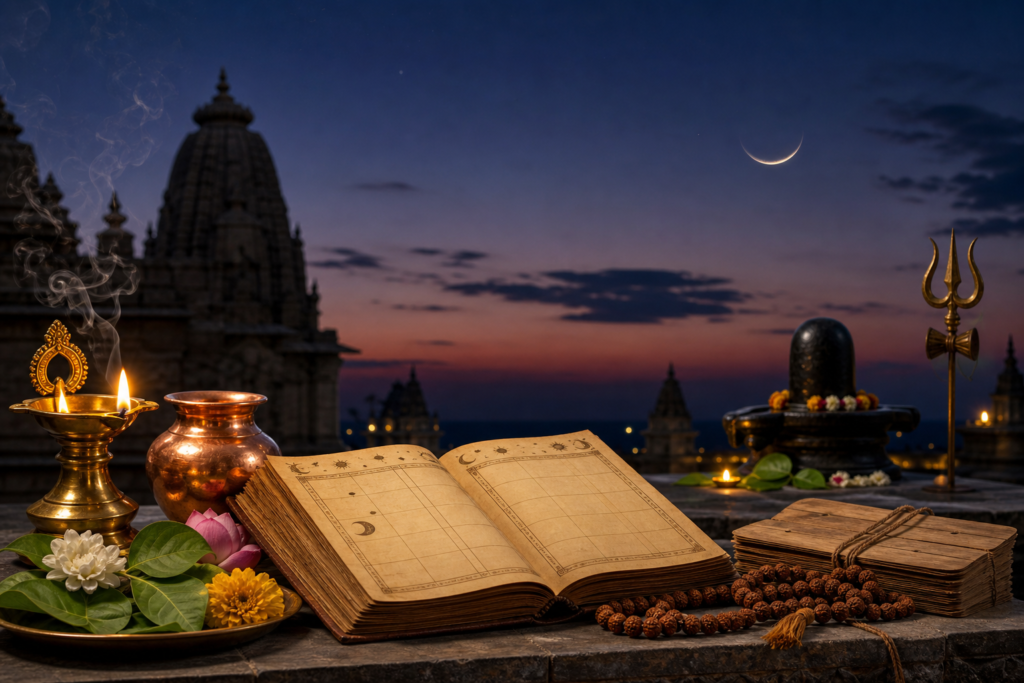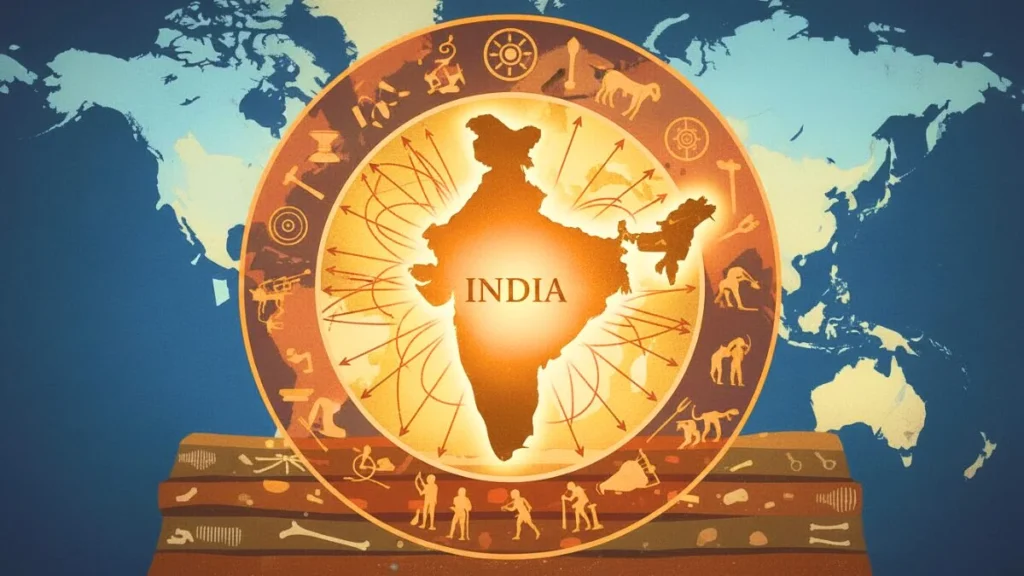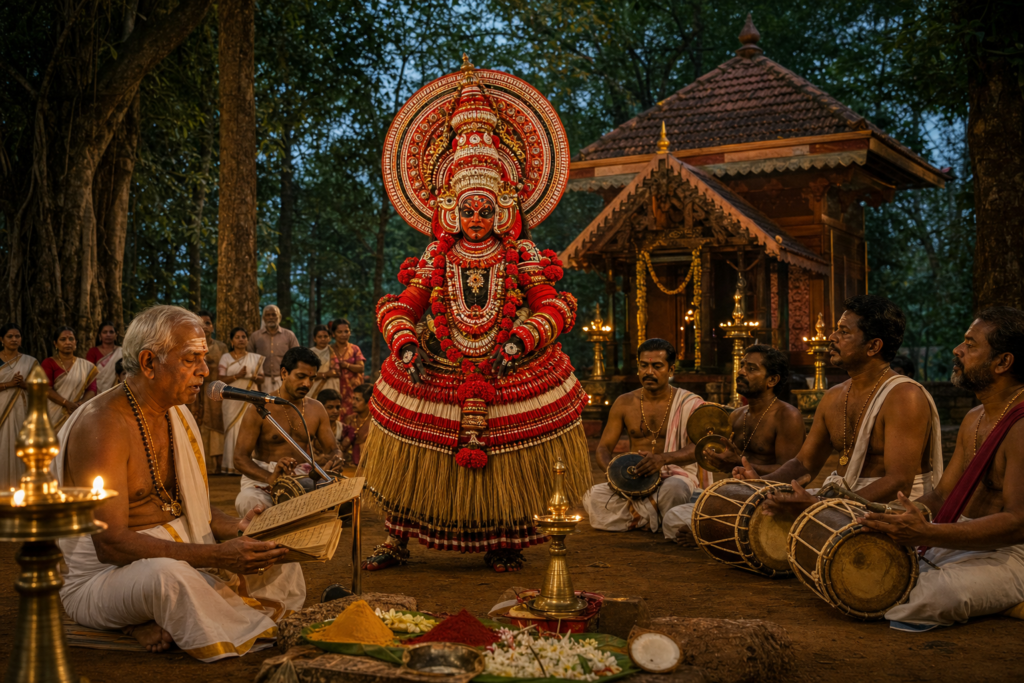
The thirst that remains is not a defect of human nature but its most reliable compass. In the Indic traditions of Hinduism, Buddhism, Jainism, and Sikhism, this existential thirst is understood as a disciplined yearning for truth, freedom, and fearless compassion. Read as dharma’s unifying metaphor, it names the restlessness that moves a seeker from surface satisfactions to a deeper inquiry into reality, self, and society. Across these traditions, the pathways vary, yet the aspiration converges: an awakened life lived with clarity, restraint, courage, and love.
Classical vocabularies capture this longing with remarkable precision. In Vedantic discourse, mumukṣutva names the intense aspiration for mokṣa, freedom from bondage and confusion. Buddhism identifies tṛṣṇā (craving) as a root condition of suffering, and redirects that energy through sati (mindfulness) and prajñā (wisdom) toward the cessation of dukkha. Jainism maps the maturation of thirst through the Ratnatrayathe triad of samyak-darśana (right vision), samyak-jñāna (right knowledge), and samyak-cāritra (right conduct). Sikh tradition orients yearning through Naam Simran, Seva, and living in Hukam, thus transmuting longing into a courageous, ethical, and devotional presence.
While doctrinal frames differ, the soteriological aims resonate. Hindu darśanas explore mokṣa through karma, jñāna, and bhakti yogas, holding that liberation is the recognition of the ātman’s true nature or steadfast union with the Divine. Theravāda and Mahāyāna Buddhisms speak of nirvāṇa and bodhi, realized through the Four Noble Truths and the Noble Eightfold Path. Jainism articulates kevala-jñāna, the soul’s pure omniscience once karmic matter (pudgala) is fully shed. Sikh thought describes mukti as freedom in and through devotion to Ik Onkar, realized by grace as one aligns with Hukam and embodies Seva. Distinctions in metaphysicsātman, anātman, and jīvado not cancel the shared ethical and contemplative commitments that make human flourishing possible.
Hindu philosophy clarifies how many paths can serve one truth. The Bhagavad Gita harmonizes karma, jñāna, and bhakti, insisting that steadfast duty, insight, and devotion are co-essentials rather than rivals. The Ishta concept safeguards spiritual diversity: one relates to the Divine according to temperament, culture, and stage of life. Upanishadic inquiry tests experience by pramāṇa (valid means of knowledge) and refines attention through yama, niyama, āsana, prāṇāyāma, pratyāhāra, dhāraṇā, dhyāna, and samādhi (Aṣṭāṅga Yoga). This ecosystem yields plural practices without forfeiting philosophical rigoran enduring model for unity in spiritual diversity.
Buddhist analysis moves with diagnostic elegance. The Four Noble Truths lay out a clinical map: dukkha, its origin (tṛṣṇā), its cessation (nirodha), and the path (mārga). The Noble Eightfold Path integrates ethics (śīla), meditation (samādhi), and wisdom (prajñā). Doctrines of dependent origination (pratītya-samutpāda) and the five aggregates (skandhas) deconstruct the habitual self-story, allowing compassion (karuṇā) and insight (vipassanā) to mature together. The thirst that remains is not repressed; it is clarified, unbound from grasping, and refined into lucid care for all sentient life.
Jain philosophy provides an ethically exacting grammar of liberation. Anekāntavāda and syādvāda cultivate intellectual humility by training the mind to perceive many-sided truth-claims responsibly. The Ratnatraya frames spiritual competence as the inseparability of right vision, knowledge, and conduct. Ahimsa and Aparigraha, rigorous even in intention, aim to halt the inflow of karmic matter and dissolve what already binds the jīva. Jain contemplative science enumerates arta dhyāna and raudra dhyāna as unwholesome absorptions, and dharma dhyāna and śukla dhyāna as wholesome and liberating, guiding practice from agitation to crystal clarity.
Sikh wisdom fuses devotion, ethics, and sovereignty of spirit. Ik Onkar affirms unicity; Hukam names the cosmic order into which the seeker relaxes self-will. Naam Simran anchors remembrance; Seva expresses love through service; kīrtan refines the emotional body into devotion. The Miri-Piri synthesis joins temporal responsibility with spiritual authority, cultivating a householder’s renunciation in action. The thirst that remains is not evacuated from the world; it is sanctified through just labor, fearless compassion, and shared bread in the egalitarian langar.
A shared ethical core organizes these paths. Ahimsa, Satya, Dana or Dasvandh, and Aparigraha appear with family resemblances across traditions. Where metaphysics diverge, discipline converges: honesty over self-deception, restraint over excess, generosity over hoarding, and compassion over indifference. These are not mere moral ornaments; they are precision tools for reducing mental noise, stabilizing attention, and opening perception to subtler dimensions of truth.
Epistemology deepens the unity. Hindu thought often invokes pratyakṣa (perception), anumāna (inference), and śabda (trustworthy testimony) as co-validators of knowledge. Buddhist canons test teachings against experience and reason, asking whether they reduce suffering. Jain anekāntavāda coaches the mind to hold partial truths provisionally, avoiding absolutism without collapsing into relativism. Sikh practice insists on living knowledgeembodied wisdom tested in Sangat and Seva rather than abstract assent alone. Plural pramāṇas guard humility while preserving rigor.
Consider a traveler moving through four sanctuaries in a single lifetime of seeking. In a riverine temple, arti illumines the heart’s longing; in a monastery hall, the breath settles and clear seeing emerges; before a tīrtha’s silent Jina, vows tighten the weave of daily conduct; within a gurdwara’s warmth, kīrtan and langar dissolve separation into kinship. The settings differ, but the thirst that remains is progressively clarifiedless a craving to acquire, more a capacity to reveal what is already sufficient, already whole.
Contemplative technologies translate longing into method. In Yoga and Vedānta, prāṇāyāma quiets the nervous system, pratyāhāra reclaims attention, and dhyāna matures into samādhi. In Buddhism, ānāpānasati steadies breath and mind, opening space for vipassanā. Jain pratikramaṇa and the careful cultivation of dharma dhyāna restore ethical integrity, making attentive stillness possible. Sikh Simran synchronizes breath and remembrance, attuning the psyche to Naam while Seva keeps the heart porous. Each tradition protects the same insight: attention is liberation’s front door.
Neurophysiological correlates underline these convergences. Gentle lengthening of exhalation and diaphragmatic breathing stimulate the vagus nerve, modulating stress responses and enabling sustained contemplation. When the breath is steady, citta-vṛttimental fluctuationssoften; mindfulness (sati) gains traction; and wholesome absorptions (samādhi, śukla dhyāna) become accessible. Descriptions of suṣumṇā nāḍī in yogic anatomy analogize this shift: as habitual tensions release, perception straightens, and discernment brightens.
Comparative karma theory clarifies both difference and kinship. Hindu frameworks often treat karma as moral causality shaping samsāra across births, with mokṣa dissolving ignorance of the ātman. Buddhism retains karmic causality without positing a permanent self (anātman), focusing on the cessation of grasping conditions. Jain philosophy uniquely models karma as subtle materiality binding the jīva through passions and actions, to be eliminated by rigorous vows and insight. Sikh thought affirms karmic tendencies under Hukam while emphasizing the transformative power of Naam and grace. Diverse metaphysics, shared moral lawfulness.
Community is an instrument of awakening. Saṅgha, Panth, Satsaṅga, and the Jain fourfold community (monks, nuns, laymen, laywomen) cultivate accountability and belonging. The Guru–Śiṣya relationship transmits both method and ethos; the sangha models collective attention; the langar enacts equality. Where solitary practice risks abstraction, the community embodies values, corrects drift, and turns aspiration into shared habit.
Rituals carry psychological intelligence across centuries. Arti frames reverence through light; kīrtan entrains the heart-mind to devotion; paritta and sūtra recitations stabilize attention; pratikramaṇa refines remorse into ethical repair. Properly understood, these are not ends in themselves but well-tested interfaces between emotion, cognition, and actionritual grammars that align inner intention with outer conduct.
Intellectual humility safeguards unity. Anekāntavāda resists single-angle certitude; Ishta honors temperamental and cultural diversity; the Gita’s integral yoga prevents one-sided absolutism; Buddhist middle ways avoid extreme metaphysical theses; Sikh devotion shields from scholastic pride by binding knowledge to Seva. The shared stance is not bland relativism but disciplined openness: partial perspectives are invited to cooperate in the service of the real.
Modern conditions heighten the need for this cooperative intelligence. Digital distraction fragments attention; ideological echo chambers reward outrage over nuance; consumer excess inflames craving and loneliness. Dharmic disciplines offer structural remedies: daily meditation to steady perception; vows and yamas–niyamas to right-size desire; Seva and Dana to counter possessiveness; Sangha and Sangat to heal isolation; study (svādhyāya) to deepen discernment. The practical outcome is psychological resilience and social cohesion.
A pragmatic daily architecture can translate these insights into habit. Morning: breath awareness or ānāpānasati, a short recitation (Gita, sūtra, or Gurbani), and a deliberate ethical intention (ahimsa, satya, aparigraha). Midday: micro-pauses for Simran or mindfulness cues, and one act of Seva or generosity. Evening: review of conduct (pratikramaṇa-style reflection), gratitude, and a brief contemplative sit. Weekly: community participationsatsang, saṅgha gathering, or kīrtanbinding the solitary and the shared.
Emotional life is not bypassed; it is educated. Longing without direction becomes craving; longing disciplined by practice becomes love. Fear, when illumined, matures into courage; sorrow, when honored, ripens into compassion. The traditions agree that unexamined reactivity binds, while felt experience clarified by attention liberates. In this light, the thirst that remains is the heart’s apprenticeship to wisdom.
Education completes the circle. Children and youth formed by plural narrativesGita’s synthesis, Buddhist compassion, Jain many-sidedness, Sikh servicegrow into adults who can differ without division. Academic curricula that present these traditions comparatively, with fidelity to their sources and practices, make pluralism durable rather than decorative. Such learning is not merely informational; it is civic infrastructure for a cohesive, confident society.
Read as a single civilizational conversation, the Indic traditions disclose a luminous thesis: diversity of sādhanā does not fracture truth but refracts it. The thirst that remains asks not for more objects but for better seeing, steadier loving, and freer acting. Hindu, Buddhist, Jain, and Sikh paths offer complementary answers, each inviting disciplined attention, ethical refinement, and courageous compassion. The result is unity without uniformityan integrity of purpose spacious enough to hold many songs of the same silence.
In times that confuse intensity with wisdom and noise with knowledge, this shared inheritance offers a quiet standard. Where longing once scattered the mind, it can now become a clear stream. Attended sincerely, the thirst that remains is not a problem to be solved but a promise to be kepta dignified journey through Dharma’s wells of wisdom, where all seekers are kin and truth is both the path and the home.
Inspired by this post on SikhNet – News.