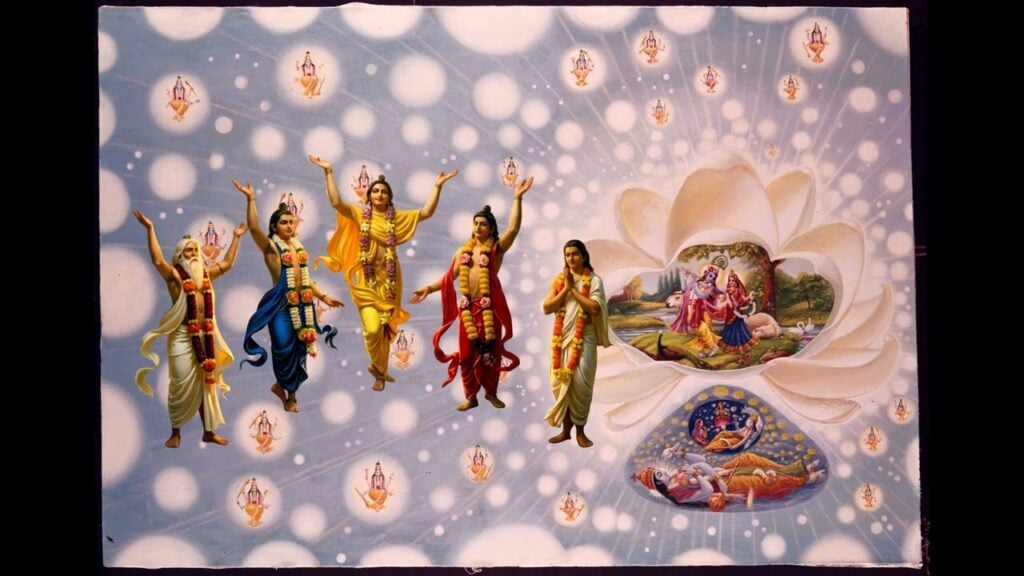
The mantra “Soham Hamsah” holds deep resonance in Advaita Vedanta, where it conveys the nondual insight that the individual self (jivatma) is not separate from the universal reality (paramatma). As a contemplative focus in mantra meditation and breath awareness, it guides practitioners toward self-realization, inner tranquility, and a lived experience of unity across diverse dharmic traditions.
Meaning and symbolism illuminate its power. “Soham” translates to “I am He,” a concise affirmation of nonduality, while “Hamsah” evokes both the swansymbol of viveka (discernment)and the natural sound of the breath in ajapa-japa. Many lineages observe the spontaneous mantra of respiration: “So” with inhalation and “Ham” with exhalation (some traditions invert this), making “Soham Hamsah” a seamless union of awareness and prana without contrivance.
Spiritually, the mantra points beyond conceptual identity toward the indivisible ground of being. Rather than asserting dogma, it invites direct recognition: the witness of thoughts, emotions, and sensations is spacious, serene, and unbounded. In the language of Vedanta, the distance between seeker and sought is bridged as the apparent duality of subject and object softens into insight.
These contemplative currents resonate across dharmic wisdom. In Buddhism, mindfulness of breathing (ānāpānasati) cultivates clarity and compassion, aligning experientially with calm-abiding even as its doctrine of anatta differs from Vedantic atman. In Jainism, samayik fosters equanimity and nonviolence (ahimsa), refining attention and ethical sensitivity. In Sikhism, Ik Onkar and nām-simran nurture remembrance of the One through the flow of breath and sound. Such convergences encourage mutual respect: diverse formulations, shared practices of presence, and a common aspiration toward inner freedom and harmony.
Practice can remain simple and precise. Sit comfortably with the spine aligned. Let the breath settle into a natural rhythm. Gently synchronize attention with the respiration: “So” on the in-breath and “Ham” on the out-breath (or follow the variant taught in one’s lineage). Allow the mantra to be heard inwardly without strain. Begin with a few minutes and extend gradually; a mala or a soft count of breaths can support steadiness. Consistency, gentleness, and nonjudgment are the touchstones.
Over time, this ajapa-japa refines concentration (dhāraṇā), steadies the mind, and invites a quiet joy. Many practitioners report improved self-awareness, emotional balance, and clarity in ethical discernment. While not a medical intervention, the contemplative calm fostered by “Soham Hamsah” can complement well-being and deepen one’s capacity for compassionate action.
Integration into daily life magnifies its value. A few conscious breaths before conversation or decision-making can transform reactivity into responsiveness. During transitionsdawn, dusk, or the close of the daythe mantra serves as a bridge from activity to stillness. The remembrance of oneness nurtures empathy, softens rigid identities, and supports unity in spiritual diversity.
Historically, the mantra’s themes echo through Upanishadic and yogic literature, where breath, sound, and awareness converge as gateways to direct knowledge. Parallels to mahāvākyas such as “Tat Tvam Asi” reinforce its Advaitic arc, even as “Hamsa” symbolism underscores discernment and purity. This layered heritage situates “Soham Hamsah” within a living continuum of practice, not merely as a phrase but as a method for realization.
In essence, “Soham Hamsah” offers a contemplative path that unites breath and being. It honors the integrity of Hindu, Buddhist, Jain, and Sikh streams while highlighting their shared commitment to mindfulness, compassion, and inner freedom. As a daily discipline, it strengthens inner peace; as a vision, it affirms that authentic spiritual practice fosters harmonywithin and among all.
Inspired by this post on Hindu Blog.