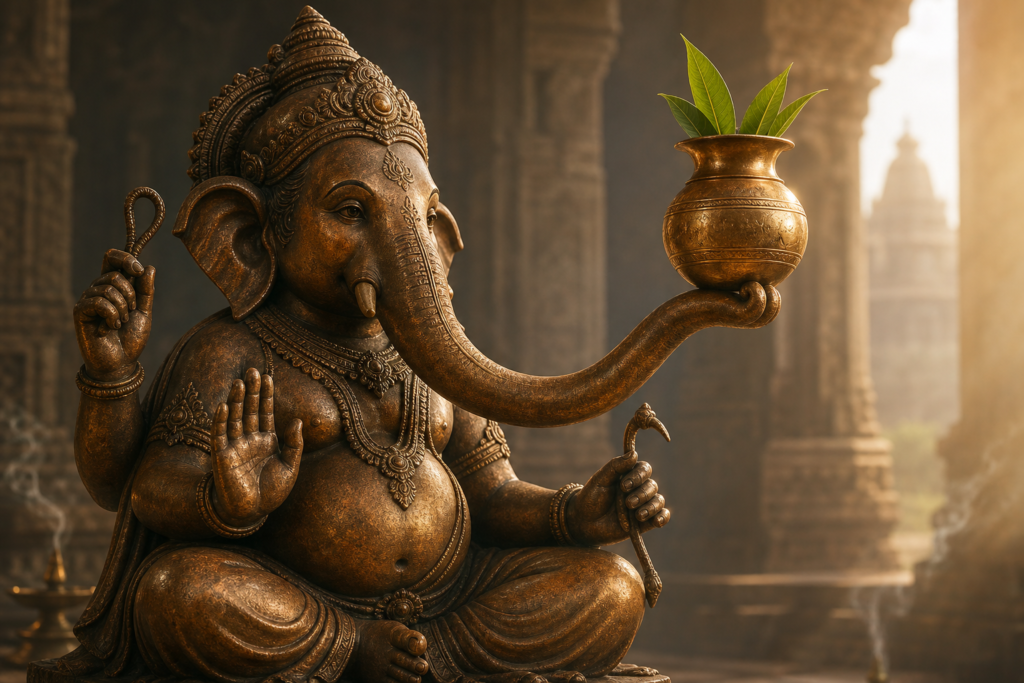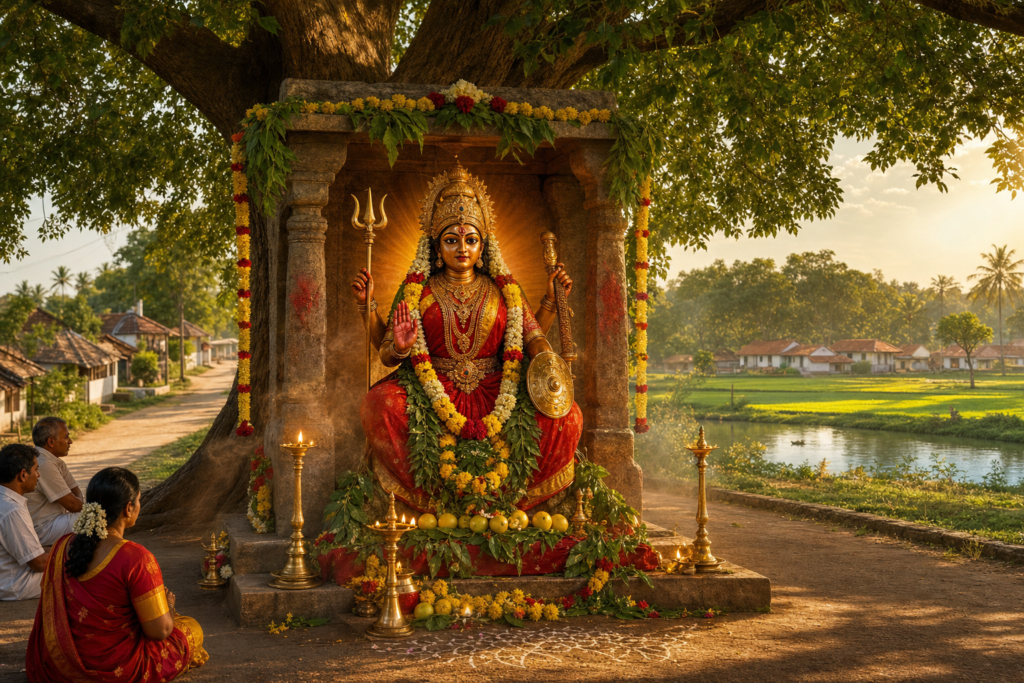
Seeds of Destiny captures a central insight of Hindu philosophy: conscious choice cultivates the inner landscape and opens the way to personal liberation. The mind can be pictured as a vast, almost cosmic warehouse in which every human disposition rests like a dormant seedcontentment beside anger, compassion beside cruelty, clarity beside confusion. Which seeds are watered by attention, intention, and action determines the character that unfolds, the karma that ripens, and the peace or turmoil experienced day to day.
This image aligns with classical concepts such as samskara (mental impressions), vasana (habitual tendencies), and the interplay of the gunassattva, rajas, and tamas. Sattva clarifies and harmonizes, rajas agitates and propels, and tamas dulls and obstructs. Hinduism’s pragmatic counsel is not to deny the warehouse but to steward it: become aware of what is being cultivated, reduce the conditions that feed harmful seeds, and strengthen conditions that nourish wisdom, compassion, and steadiness.
Texts such as the Bhagavad Gita present self-mastery as both a discipline and a freedom. Attention becomes agency: by choosing thoughts, speech, and deeds aligned with dharma, future samskaras are shaped, and the grip of unhelpful vasanas loosens. This refined choosingmoment after momenttransforms karma from an unconscious chain into a conscious path. In this way, the journey toward moksha is not abstract; it is enacted in small, repeatable decisions that elevate sattva and reduce the hold of reactivity.
In ordinary life the dynamic is familiar. A sharp comment arrives; irritation surges. There is a fraction of a second in which one can either water anger or invite clarity. A single breath, a brief pause, or a deliberate shift of attention is often enough to change the outcome. Mindfulness, in this sense, is not mere relaxation; it is ethical attentionan intentional pivot that redirects energy from chaos to composure.
Hindu practices offer reliable methods for this pivot. Pranayama steadies the nervous system; japa gathers scattered attention; pratyahara curbs sensory overflow; and dhyana consolidates insight. Together, these disciplines become a strategy for ethical self-regulation: notice which seed is sprouting, interrupt the momentum if harmful, and consciously select a response that aligns with dharma. Over time, the warehouse changes; what once erupted becomes manageable, and what was faintpatience, kindness, equanimitygrows resilient.
The moral texture of choice is equally central. Ahimsa, satya, and aparigraha illustrate how values can guide selection in real contextsworkplace tensions, family disagreements, or the provocations of social media. Every click, comment, and conversation provides a training ground where compassion can be watered instead of cruelty, and clarity instead of confusion. Ethical clarity is not imposed from outside; it is cultivated within through consistent, value-aligned action.
Unity across dharmic traditions enriches this insight. Buddhism’s mindfulness emphasizes witnessing seeds as they arise and pass; Jainism’s Anekantavada nurtures humility by recognizing many-sided truth, and ahimsa operationalizes non-harm in thought, word, and deed; Sikhism’s simran and seva anchor attention in the Divine Name and express it through service aligned with hukam. Despite doctrinal differences, these paths share a practical emphasis: train attention, refine intention, and embody compassion. This unity in spiritual diversity strengthens collective harmony and personal freedom alike.
A simple three-step routine can translate philosophy into practice: first, notice and name the arising seed (“anger,” “envy,” “restlessness”); second, breathe and recollect a guiding value (“ahimsa,” “satya,” or “seva”); third, act with one small, concrete behavior that expresses that value (a calmer tone, a clarifying question, or a kind refusal). Repetition (abhyasa) and non-attachment (vairagya) consolidate the shift, gradually stabilizing sattva as the prevailing quality of mind.
As choices become more deliberate, karma becomes more luminous. Karma Yoga demonstrates how even ordinary duties, performed without grasping, refine character and reduce inner friction. Service (seva) integrates insight with community, converting private clarity into shared well-being. In parallel, Upanishadic inquiry into the nature of the self (atman) reveals why this transformation matters: freedom is not an escape from the world but a freedom within itlucid, compassionate, and unconflicted.
Returning to the warehouse metaphor, everything required for wholeness already exists as potential. The decisive question is simple: which seeds will be watered today? Hinduismand kindred currents in Buddhism, Jainism, and Sikhisminvite a unified, practical answer. Choose with awareness, act with compassion, and keep returning to the discipline of presence. In doing so, the seeds of destiny are not feared; they are tended, and the path to peace becomes visible in every moment.
Inspired by this post on Hindu Blog.