
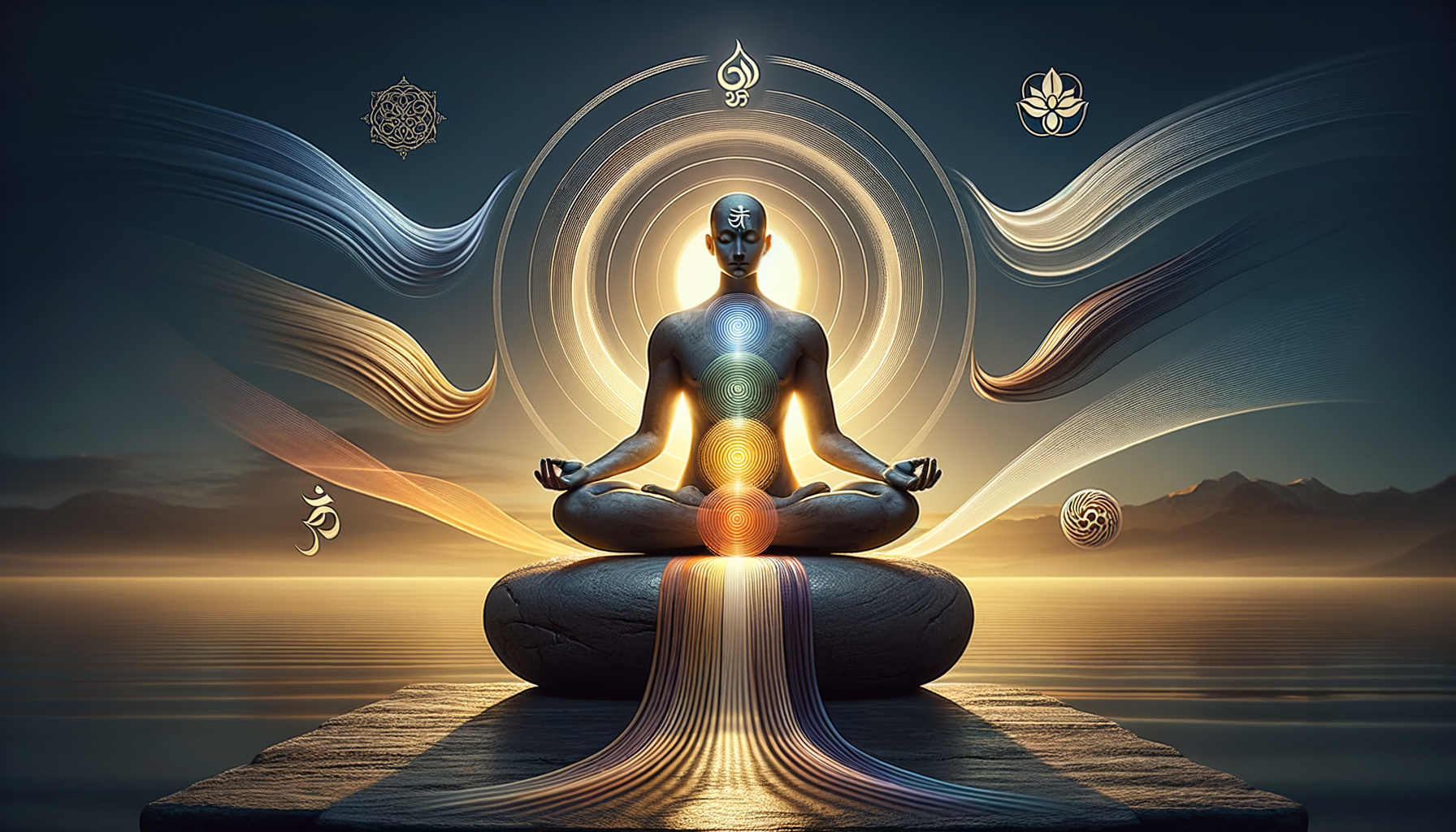
In Hindu philosophy, the term gunatita denotes a state of being beyond the three gunasSattva (purity, harmony), Rajas (activity, passion), and Tamas (inertia, ignorance). These qualities of prakriti shape perception, action, and desire, binding the jiva to the cycle of birth, death, and rebirth (samsara). To be gunatita is to no longer be compelled by these forces, reflecting a refined inner freedom described across the Upanishads, Bhagavad Gita, and later Vedanta traditions.
The Bhagavad Gita presents characteristic signs of one who is gunatita: stable in equanimity, undisturbed by pleasure and pain, and impartial to honor or dishonor. Rather than suppressing life, such a person meets experience lucidly, with discernment (viveka) and non-attachment (vairagya). This is not apathy; it is clarityaction arises from dharma, not compulsion. The result is a steadiness that remains intact amid shifting circumstances, allowing ethical action without inner turbulence.
Philosophically, this state is grounded in the insight that the Atman is distinct from the transient play of gunas. Sattva refines the mind, Rajas mobilizes it, and Tamas obscures it; yet all three belong to prakriti, not to the Self. Recognizing this distinction stabilizes meditation and purifies intention, which in turn loosens the knots of habitual reactivity. In this view, moksha is not an escape from the world but freedom within it.
Paths toward becoming gunatita are presented as complementary rather than exclusive. Jnana-yoga clarifies identity through inquiry, bhakti-yoga sublimates emotion into devotion, karma-yoga consecrates action without attachment to outcomes, and dhyana (meditation) steadies attention. Practitioners often report that simple disciplinesmindful breathing, mantra japa, and reflective pauses before speechconvert everyday moments into training in equanimity.
Everyday illustrations make the doctrine tangible. When praised or criticized, the gunatita response is measured rather than reactive. In a demanding workplace, action remains purposeful without anxiety over results. In family disagreements, listening deepens while defensiveness softens. Even in the accelerated churn of digital life, attention returns to what is true and necessary, minimizing distraction and agitation.
Dharmic traditions collectively illuminate this ideal in inclusive ways. Buddhism emphasizes freedom from conditioned reactivity and the cultivation of equanimity through mindfulness. Jainism highlights non-attachment and carefulness (apramatta) that stills karmic influx. Sikh teachings evoke sehaja natural, equipoised state nurtured by Naam-simran. While terminologies vary, each tradition converges on inner freedom that respects plural paths to realization. This intertradition consonance underscores the unity-in-diversity at the heart of Sanatana values.
Psychologically, moving toward gunatita refines emotional regulation and cognitive flexibility. As Sattva increases through ethical living, study, and meditation, the mind gains clarity; as attachment to outcomes dissolves, Rajas loses its compulsive edge; as self-awareness brightens, Tamas recedes. The practitioner observes mental states rather than being overpowered by them, creating space for response over reaction.
Importantly, the goal is integration, not withdrawal. The gunatita ideal supports compassionate engagement, aligning personal well-being with social harmony. Serving others, honoring multiple modes of worship, and safeguarding the dignity of diverse practices all become natural expressions of inner balance. In this way, the philosophical vision advances not only individual clarity but also unity among Hinduism, Buddhism, Jainism, and Sikhism.
For seekers, a practical orientation may begin with a steady routine: brief morning meditation, reflective study of the Bhagavad Gita or Upanishads, mindful action during the day, and evening introspection. Such a rhythm strengthens Sattva, disciplines Rajas, and illumines Tamas, gradually revealing an inner composure that needs neither validation nor escape. Over time, the mark of progress is simple: more clarity, more compassion, and less compulsion.
In sum, gunatita is a rigorous yet life-affirming ideal. It invites a lucid engagement with experience while loosening the binding power of the gunas. Through knowledge, devotion, service, and meditation, the mind steadies, the heart opens, and conduct aligns with dharma. The fruit is resilient peaceunshakable, inclusive, and conducive to collective harmony.
Inspired by this post on Hindu Blog.










