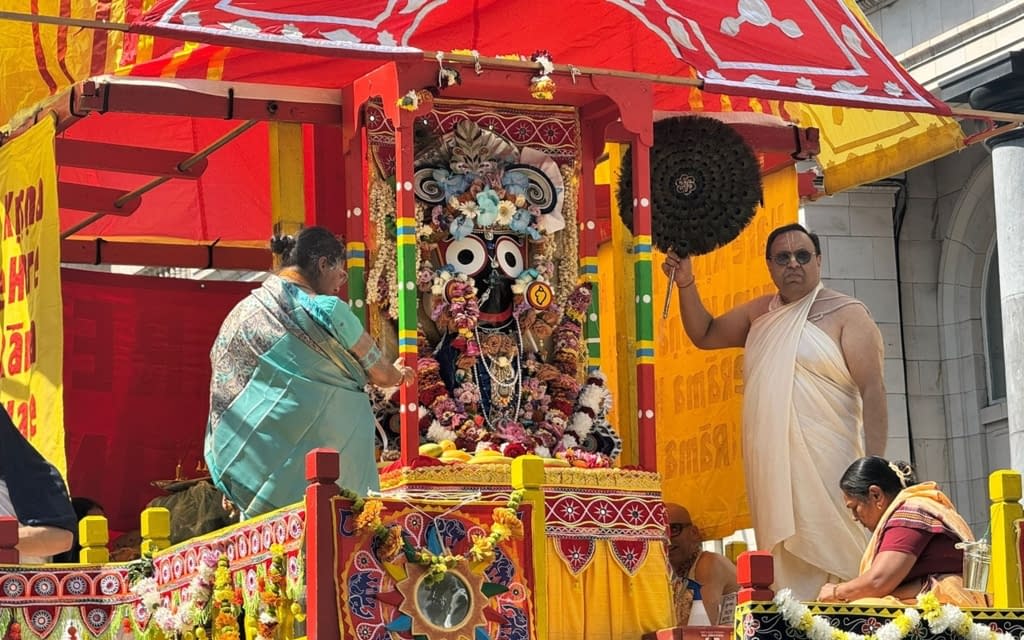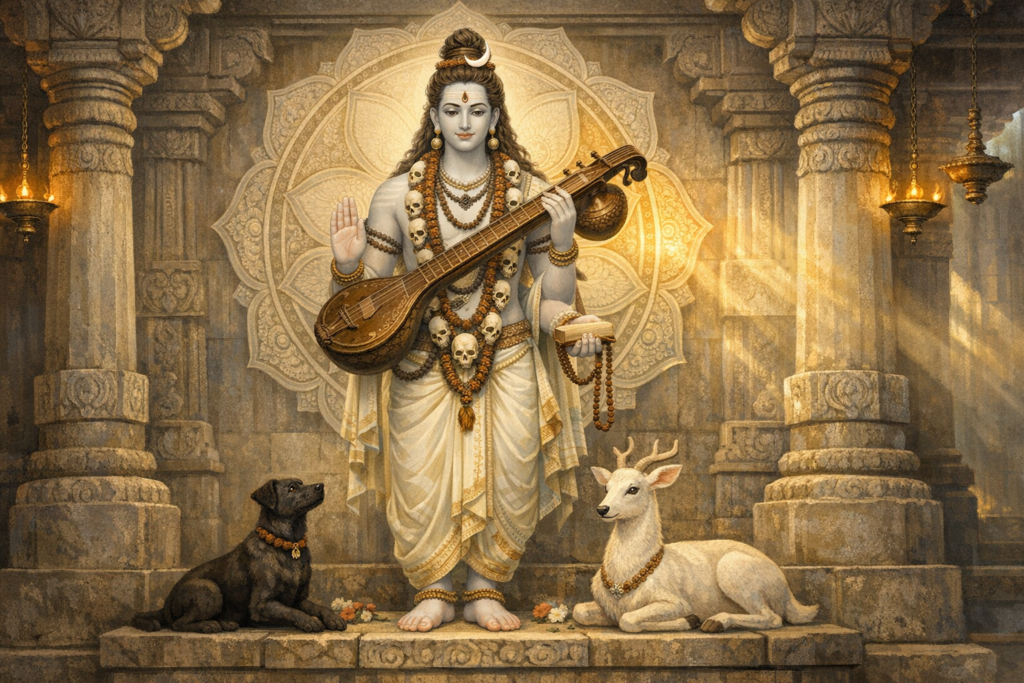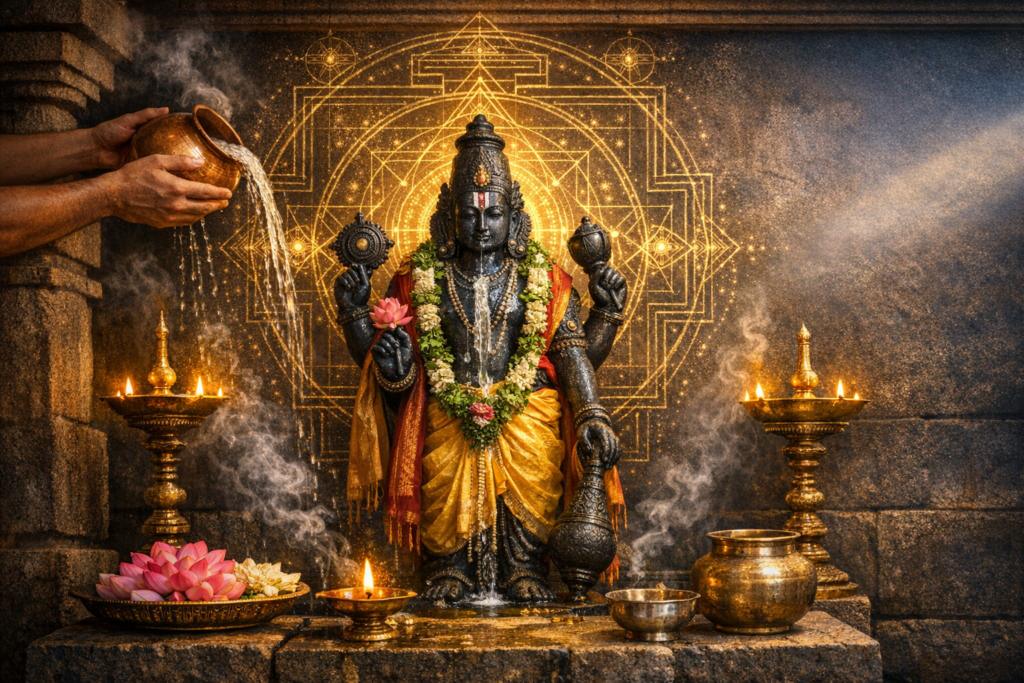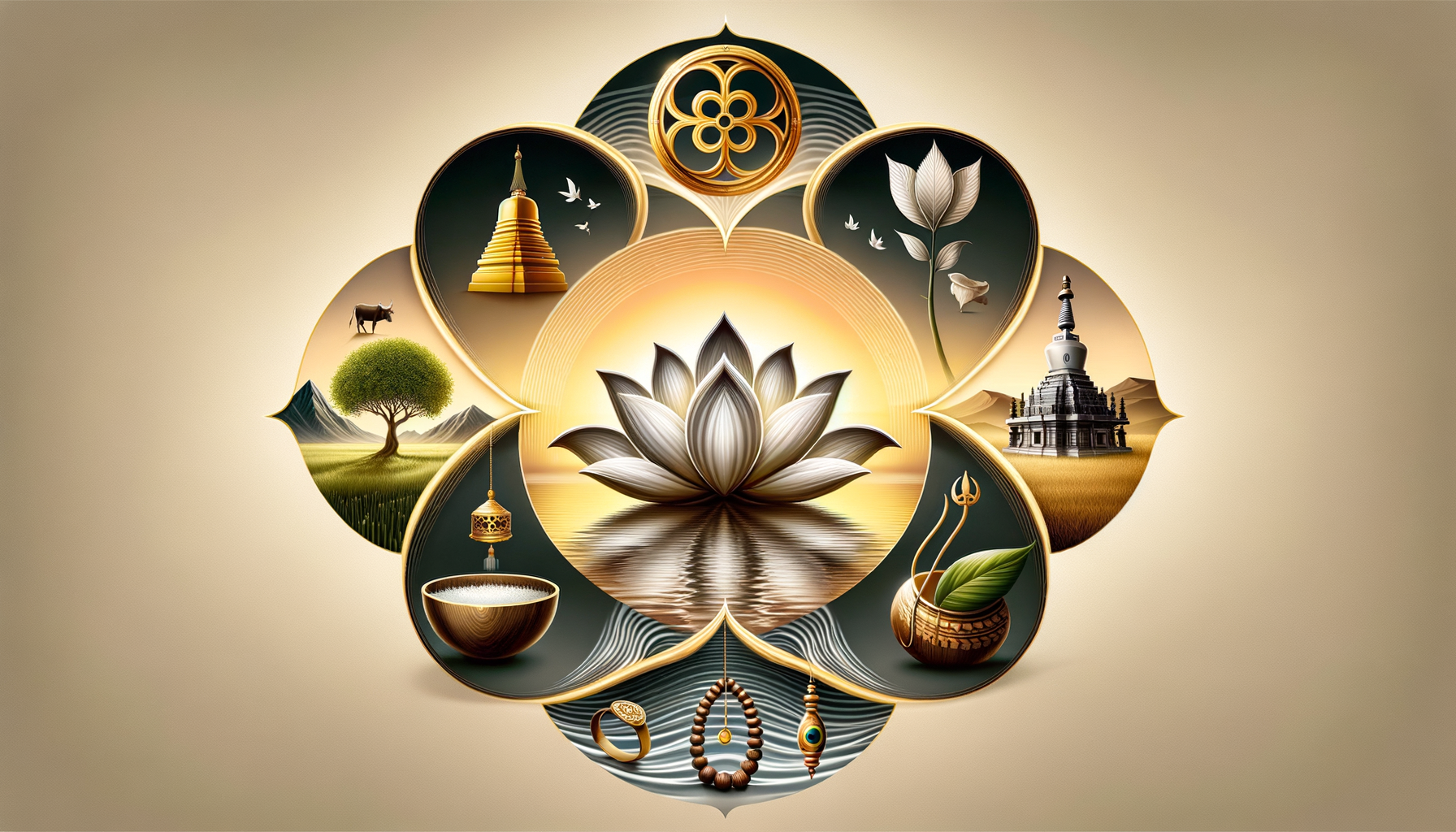
Srila Prabhupada consistently emphasized that Krishna consciousness should be articulated in ways that uplift society, reveal universal spiritual values, and welcome people of all backgrounds into Dharma. Framed within a dharmic continuum shared by Hinduism, Buddhism, Jainism, and Sikhism, this approach aligns Vedic principles with the highest ethical expressions—compassion, dignity, protection of life, and the cultivation of wisdom.
Viewed through a comparative dharmic lens, values such as ahimsa, karuna, maitri, and seva converge as lived commitments rather than abstract ideals. In daily practice, these appear as mindful consumption, care for the vulnerable, environmental stewardship, and learning that deepens discernment and responsibility. Such universal values strengthen social cohesion while grounding spiritual growth in tangible service.
Within Krishna consciousness, bhakti illuminates Dharma as a universal framework rather than a sectarian boundary. Vedic principles harmonize naturally with human rights, ethical governance, and community well-being, echoing parallel emphases on non-violence and compassion in Jainism, loving-kindness in Buddhism, and seva in Sikhism. This shared moral grammar demonstrates unity in spiritual diversity and strengthens interfaith dialogue grounded in respect and mutual learning.
Genuine spiritual outreach, as repeatedly modeled in ISKCON practice, is ethical and inclusive: it demonstrates how Vedic teachings can guide protection of life (including animal welfare), educational uplift, and the cultivation of wisdom. When communicated in accessible language, these principles resonate with contemporary concerns—social justice, ecological balance, and human dignity—while remaining faithful to Sanatana Dharma and the Bhagavad-Gita’s enduring insights.
Many seekers encounter modern life as fragmented and demanding; dharmic traditions respond with practical tools that cultivate inner stability and social responsibility. Practices such as meditation, japa, kirtan, dana, and seva help communities rediscover shared purpose, whether through festivals that celebrate unity or service initiatives that protect the vulnerable. These accessible pathways enable individuals from diverse backgrounds to experience Dharma as a source of compassion, clarity, and resilience.
When enlightenment meets Dharma, universal values move from theory to conduct. Presenting Krishna consciousness in a manner that is inclusive, academically grounded, and ethically robust strengthens unity across dharmic traditions and invites sincere exploration from every background. In this convergence of wisdom and compassion, society finds a clear path to dignity, protection of life, and shared flourishing.
Inspired by this post on Dandavats.