Modern life often binds individuals with invisible chains of social and religious guiltguilt for missing gatherings, declining rituals, or failing to meet expectations set by family, community, or institutions. Within the broad Dharmic traditions of Hinduism, Buddhism, Jainism, and Sikhism, guidance consistently points toward inner freedom grounded in compassion, discernment, and responsibility rather than fear-driven conformity. This perspective reframes guilt not as a moral compass but as a signal to realign intentions, actions, and priorities with dharmaethical living attuned to context and conscience.
Dharmic thought distinguishes between actions performed from authentic reverence (shraddha) and those performed under pressure or shame. When expectations accumulateritual attendance, charitable commitments, public displays of pietyguilt can overshadow genuine devotion. A balanced path restores primacy to bhava (inner intention) and context-sensitive duty (desha–kala–patra), allowing participation in religious and social life without self-reproach. In this way, spiritual practice remains a source of clarity and well-being rather than anxiety.
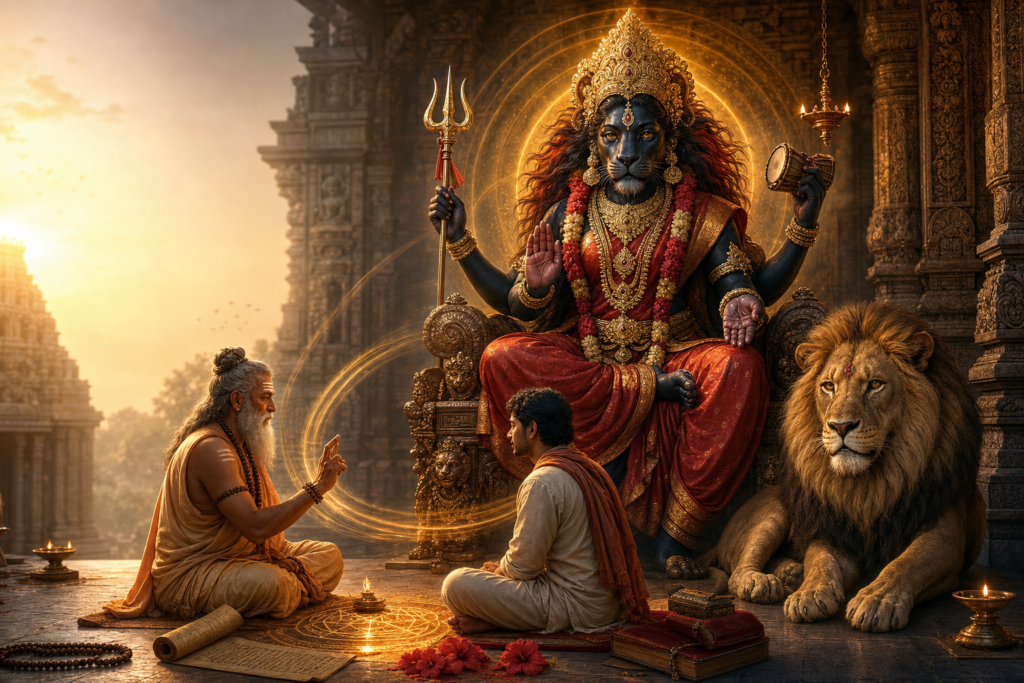
Pluralism sits at the heart of these traditions. Hindu philosophy recognizes Ishtaone’s chosen form or pathas a legitimate doorway to the Divine, affirming diversity in worship and spiritual temperament. This principle aligns with the inclusive ethos found across Buddhism, Jainism, and Sikhism, where different methodsmindfulness, ahimsa, pratikraman, seva, and simranaddress varied dispositions. The shared insight is simple and powerful: unity does not require uniformity, and authentic living flourishes when multiple paths are honored.
Swami Vivekananda’s views on Ishta reinforce this pluralistic framework, cautioning against any tendencyreligious, cultural, or ideologicalto impose a singular route to truth. Such imposition narrows the rich tapestry of religious practices and undermines personal sincerity. In contrast, embracing many pathways fosters religious tolerance in Hinduism and encourages cross-traditional respect, where seekers learn from each other without coercion or competition.
Dharmic traditions also provide practical ways to transform guilt into growth. Hindu prayaschitta emphasizes reflection, learning, and renewed commitment; Jain pratikraman invites honest self-review and gentle correction; Buddhist cultivation of maitri–karuna (loving-kindness and compassion) soothes harsh self-judgment; Sikh ardas and seva foreground humility and service. Across these practices, the emphasis is not on self-condemnation but on responsibility, restitution where possible, and sustained inner refinement.
The Bhagavad Gita offers a clear ethic for action: perform sva-dharma with steadiness, and practice karma yogaengaged service without clinging to outcomes. This teaching helps individuals navigate invitations, obligations, and ceremonies with composure. Participation becomes meaningful when guided by purpose rather than worry about external approval. Such alignment reduces anxiety, strengthens relationships, and deepens spiritual integrity.
Practical disciplines anchor these insights in daily life. Brief pranayama before decisions calms the nervous system, mindfulness clarifies motives, and viveka (discernment) separates genuine duty from social pressure. Ahimsa applied inwardly softens the inner critic, while aparigraha (non-clinging) right-sizes commitments to match actual capacity. Over time, these habits cultivate stable attention, ethical clarity, and compassionate presenceantidotes to chronic guilt.
Common dilemmas illustrate how this works. Choosing not to attend a ceremony out of exhaustion may, in fact, honor dharma by preserving health and family harmony. Redirecting charity to a sustainable cause that aligns with competence and resources enacts aparigraha and responsibility. Reframing difficult conversations with elders through satya (truthfulness) and karuna (compassion) preserves respect while communicating boundaries. In each case, authenticity strengthensnot weakenscommunity trust.
Emotionally, many fear disappointing loved ones. A Dharmic approach meets this fear with honesty, gratitude, and seva. Expressing appreciation for tradition while sharing thoughtful reasons for a different choice keeps relationships intact. When appropriate, offering alternative forms of contributionvolunteering, study, or quiet prayerdemonstrates commitment in ways that fit temperament and circumstance.
Ethically, satya and ahimsa function as a compass: speak truth kindly, act with care, and avoid harm to oneself and others. This posture supports unity in spiritual diversity and reduces the impulse to judge different practices. By recognizing the legitimacy of multiple paths, the broader Dharmic community cultivates harmony, resilience, and shared purpose.
Breaking free from social and religious guilt is, therefore, not a rejection of tradition but a return to its core: intentional living, compassionate self-understanding, and tireless service. Through the combined wisdom of the Gita, Ishta, mindfulness, ahimsa, pratikraman, and seva, individuals can live with clarity and calm. The outcome is authenticity that honors family, community, and the sacredwithout surrendering freedom of conscience.
Inspired by this post on Hindu Blog.