The idea that mokshaultimate spiritual liberationneed not wait for death but can be realized in this very lifetime introduces a transformative lens on human potential. Within Hinduism, this state is often described as jivanmukti, a lived freedom grounded in awareness rather than geography or ritual status. Rooted in the Upanishads and echoed in the Bhagavad Gita, this insight reframes spiritual progress as a verifiable shift in consciousness, not a distant promise. It speaks to a disciplined, clear-sighted presence that can illuminate ordinary life.
This living liberation is frequently characterized as a state beyond pleasure and pain. Rather than withdrawing from the world, the jivanmukta moves through it with equanimity, clarity, and compassion. Pleasure and pain still occur as experiences, yet their binding power loosens. Such freedom is not indifference; it is steadiness born of discerning one’s true nature (atman) and acting in alignment with dharma.
Hindu wisdom outlines multiple complementary pathways toward this realization. Jnana yoga emphasizes inquiry and insight into the nature of self and reality; bhakti cultivates a surrendered, loving orientation toward Ishvara; karma yoga refines intention by offering action without clinging to results; and raja yoga trains attention through meditation (dhyana), breath (pranayama), and ethical discipline (yama-niyama). These strands are not mutually exclusive; in practice, they often intertwine to support stable inner transformation.
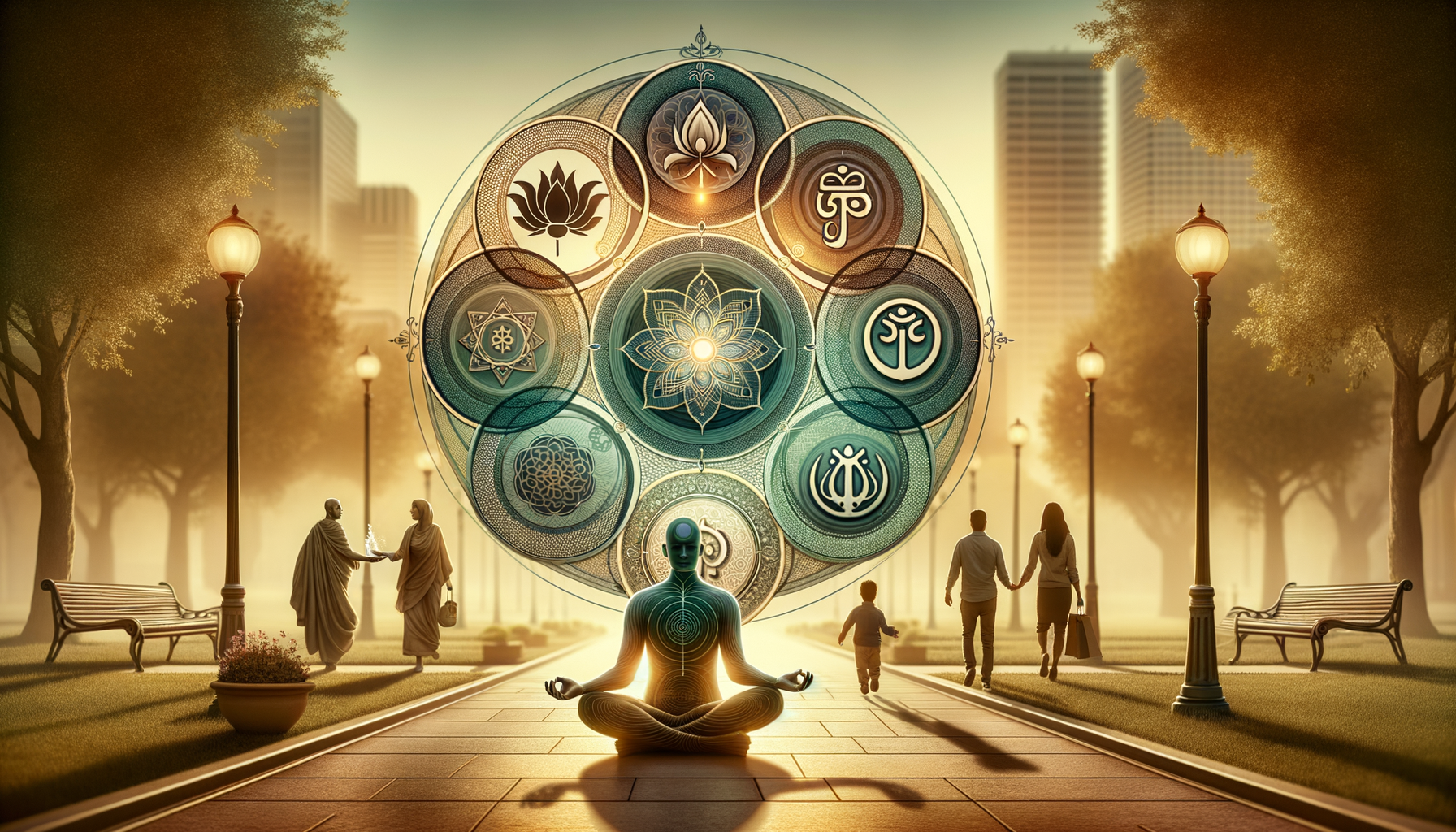
The concept of jivanmukti aligns with a broader dharmic consensus on earthly liberation. In Buddhism, the realization of nirvana in this lifethe cessation of clinging and the uprooting of ignoranceoffers a parallel to living freedom. In Jainism, kevala jnana signifies complete knowledge and non-attachment that can dawn during one’s lifetime, culminating in the state of an arihant. Sikh wisdom speaks of the jivan mukta, one who abides in sahaj (natural, effortless equipoise) while serving the world. These convergences underscore a shared dharmic conviction: liberation is both inwardly realized and ethically expressed.
Misconceptions persist that liberation belongs only to an afterlife or to ascetics removed from daily responsibilities. Classical and lived traditions counter that true insight must integrate with ordinary dutiesfamily life, work, and community. When dharma, meditation, and self-knowledge mature together, life acquires an unforced coherence. Service (seva), non-violence (ahimsa), and honesty (satya) cease to be ideals to strive for intermittently and become natural expressions of a quieter mind.
Practical markers of progress are observable. Emotional reactivity softens into measured response; attention becomes less scattered; ethical clarity deepens; a sense of sufficiency replaces compulsive acquisition; and compassion expands beyond narrow identities. Such shifts do not remove difficulties from life, but they do reduce the inner friction that magnifies suffering. Over time, the center of gravity moves from external validation toward inner steadiness.
Everyday disciplines sustain this trajectory. Regular meditation helps cultivate one-pointedness and insight; svadhyaya (self-study) refines discernment; mindful action stabilizes intention; and satsang (good company) supports accountability and inspiration. These practices remain flexible across temperaments and life stages, honoring the Hindu insight that many valid gateways exist. The emphasis is not on uniformity of method but on integrity of transformation.
At a societal level, the vision of earthly moksha fosters interfaith and intrafaith harmony across dharmic traditions. Recognizing parallels among Hinduism, Buddhism, Jainism, and Sikhism invites respect for diverse spiritual vocabulariesjivanmukti, nirvana, kevala jnana, jivan muktawithout collapsing their distinct emphases. This plural, convergent understanding strengthens social cohesion by aligning inner freedom with outer responsibility.
Ultimately, the claim that liberation is attainable here and now is both demanding and humane. It asks for discipline, inquiry, and ethical rigor, yet it offers a freedom measured in clarity, compassion, and fearlessness. Hindu wisdom thus reframes spiritual life as a progressive unfolding of consciousness, where the extraordinary is discovered in the ordinary, and where the promise of moksha becomes the practice of living welltoday.
Inspired by this post on Hindu Blog.