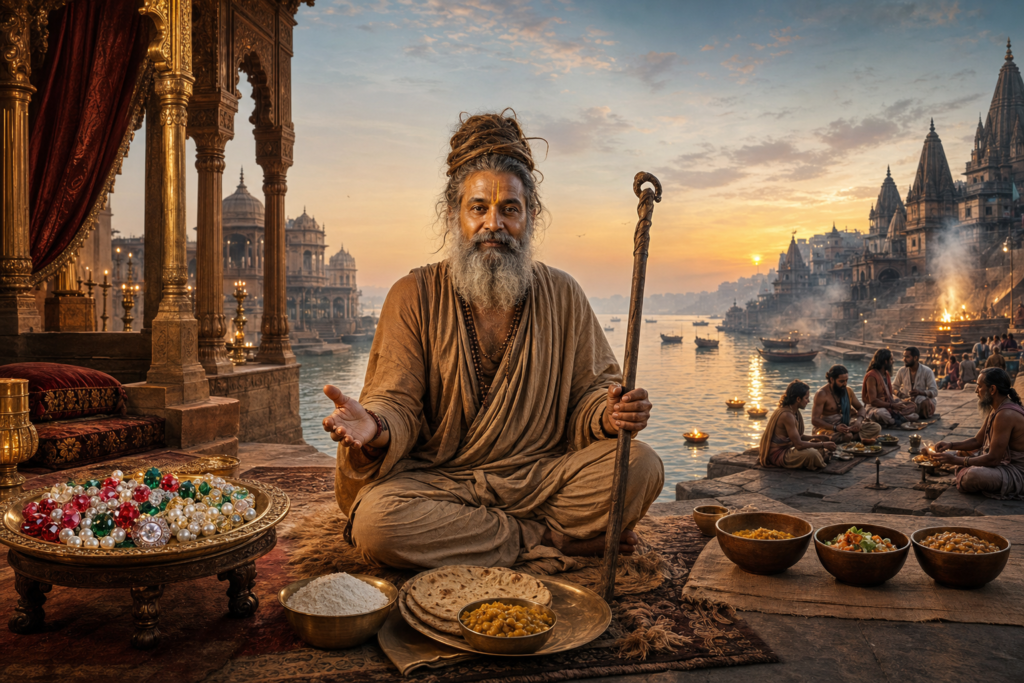
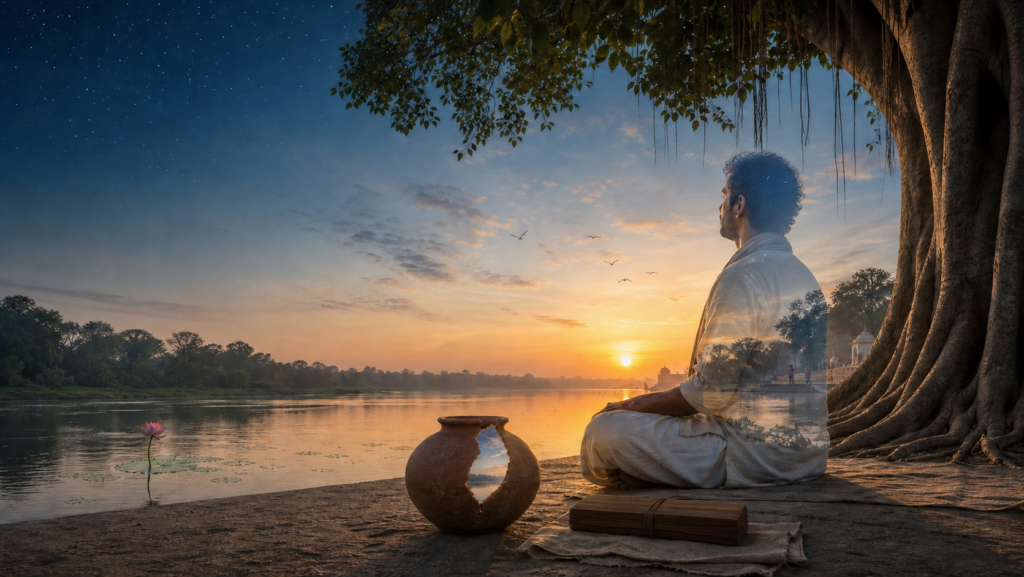
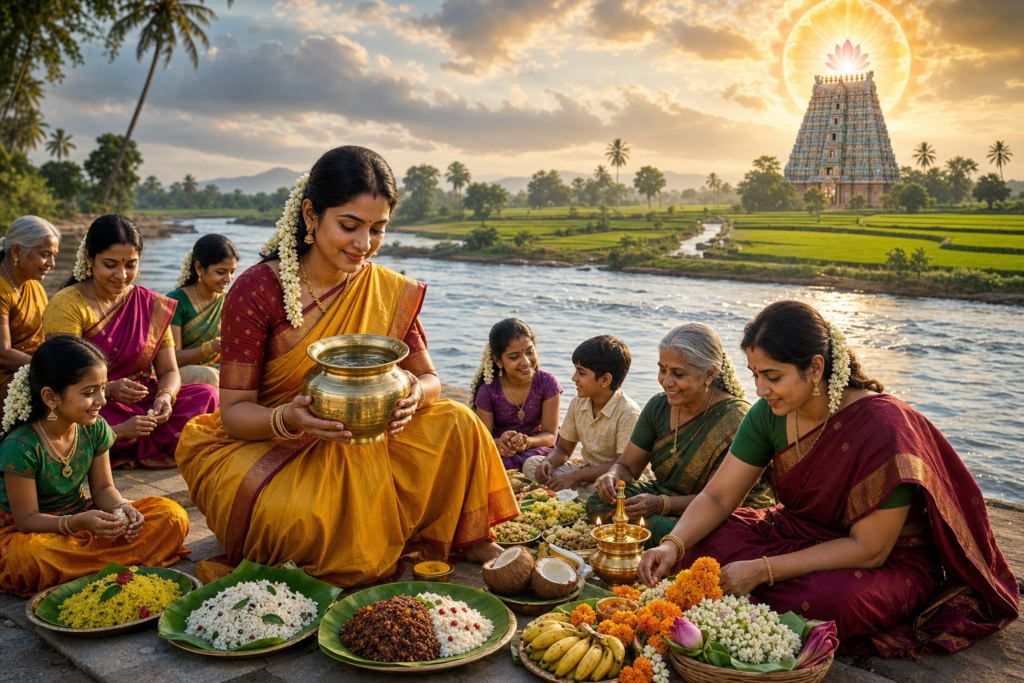
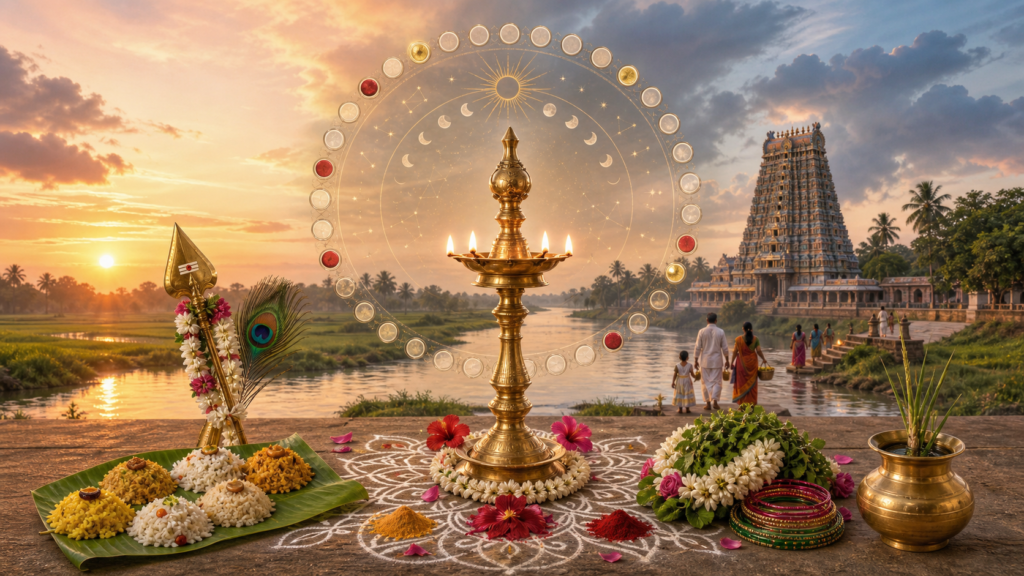
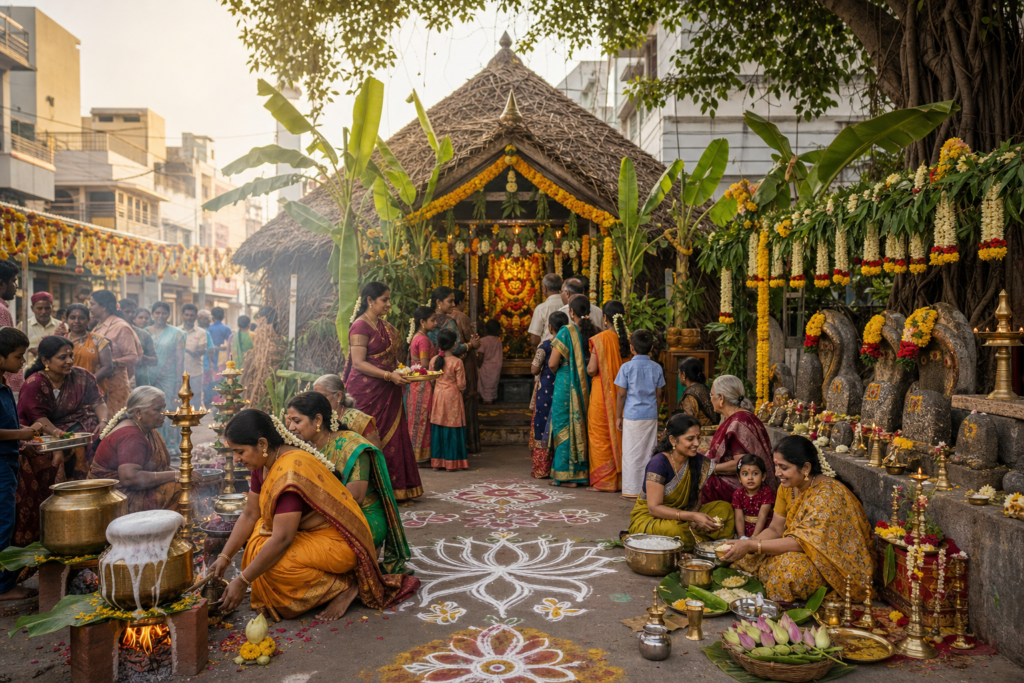
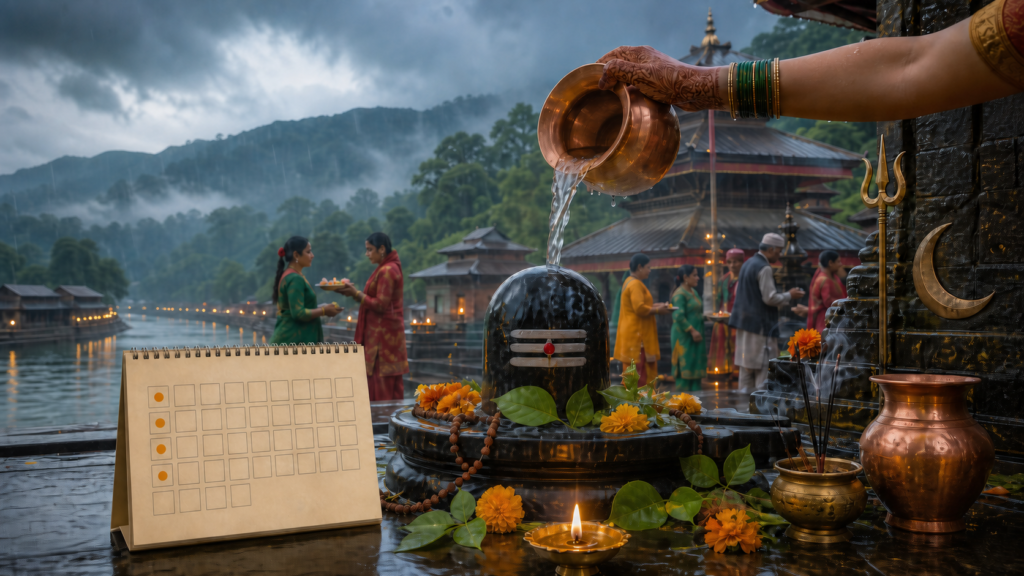
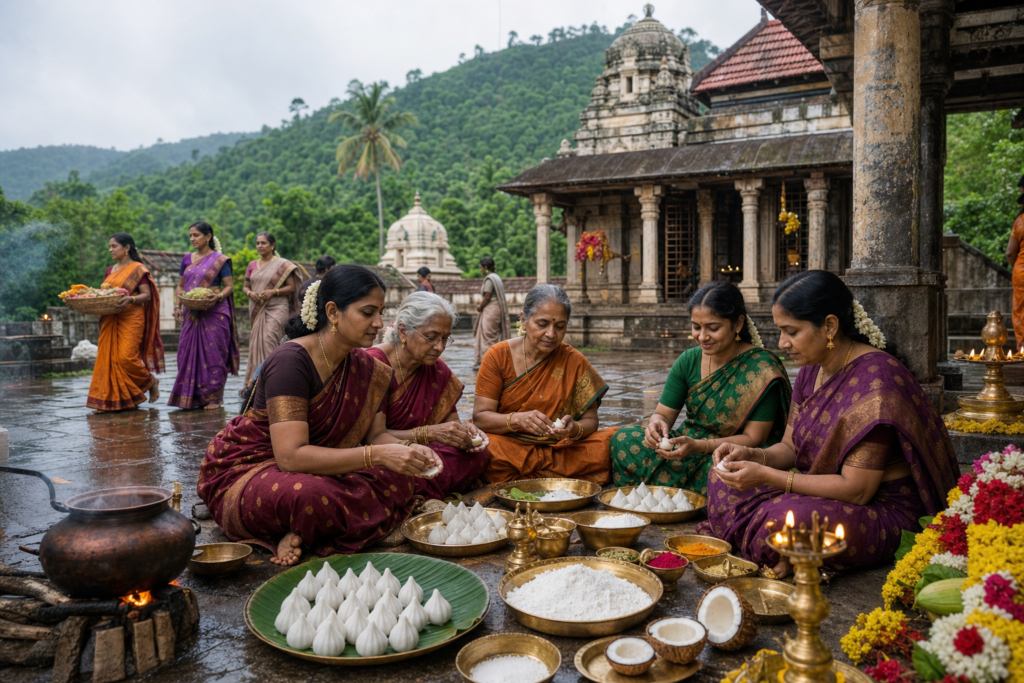
Hinduism, one of the world’s most enduring spiritual traditions, articulates a profound insight: the divine is limitless and cannot be confined to any single form, doctrine, or name. The Upanishadic dictum “Ekam Sat Vipra Bahudha Vadanti” is central to this vision, affirming that ultimate Truth is one, while sages describe it variously. This principle resists restrictive definitions of the divine and encourages a contemplative openness that honors both transcendence and immanence.
Within Hindu philosophy, this openness is embodied in the idea of Ishtaone’s chosen form or approach to the sacred. Ishta validates the diversity of spiritual temperaments: devotion to Krishna or Shiva, contemplation of the formless Brahman, practice-focused paths such as Karma Yoga, or knowledge-centered inquiry through Jnana. Many practitioners note that this plurality allows spiritual life to feel both intimate and expansive, fostering a sense of belonging without negating the universality of Truth.
Dharmic traditions broadly reinforce this capacious view. Jainism’s Anekantavada emphasizes the many-sidedness of reality, encouraging humility in metaphysical claims. Buddhism’s skillful means (upaya) recognizes that different teachings guide different minds toward awakening. Sikhism’s affirmation of Ik Onkar centers the oneness of the divine while embracing a community-oriented spiritual ethic. Together, these perspectives deepen a shared commitment to unity in diversity, aligning closely with the Upanishadic vision.
Such plurality does not imply relativism; rather, it reflects rigorous discernment about human cognition and language. Concepts, rituals, and symbols are understood as provisional bridges to the Infinite, not the final destination. Plural paths can thus be seen as complementary lenses that clarify, rather than obscure, the single light of Truth. This stance provides a constructive alternative to exclusivist claims by advancing civil, evidence-informed dialogue across traditions.
In contemporary society, this wisdom offers practical benefits. Respect for multiple paths nurtures interfaith trust, reduces sectarian tension, and creates space for shared ethical actionseva, compassion, ecological responsibility, and truthful living. Individuals often report that honoring diverse practiceschanting, meditation, study, or community servicestrengthens inner stability and broadens empathy, allowing spiritual growth that is both personal and universally relevant.
Importantly, the dharmic affirmation of diversity is anchored in a coherent philosophical framework: Brahman as the ineffable ground of being; Atman as the inner witness; and Dharma as the moral-spiritual order guiding responsible action. When approached through this lens, forms and names function as pedagogical aids, not boundaries. The result is a culture of learning in which debate refines understanding and unity emerges without erasing difference.
This approach also invites a reassessment of what “truth claims” mean in spiritual life. Rather than competing assertions, the traditions encourage complementary insightsmetaphor alongside logic, devotion alongside inquiry, silence alongside sound. The guiding premise remains steady: “Ekam Sat Vipra Bahudha Vadanti.” By honoring many articulations of the One, communities can protect both intellectual rigor and heartfelt devotion.
To live this wisdom is to remain openstudying scriptures, engaging teachers responsibly, serving society, and cultivating meditation or prayerwith the confidence that diverse methods can lead toward the same horizon. In doing so, dharmic traditions exemplify an inclusive spirituality that is intellectually serious, ethically grounded, and profoundly unifying. The Infinite cannot be limited; wisely, the paths that approach it need not be either.
Inspired by this post on Hindu Blog.