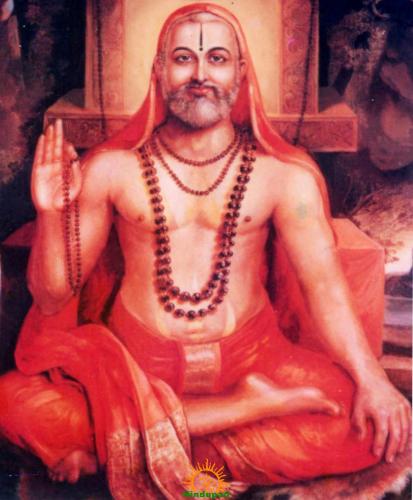
ਚੁੱਪ ਦਾ ਸੰਦੇਸ਼ evokes the quiet power by which truth clarifies and courage steadies. This reflective meditation examines how disciplined silence, practiced with mindfulness, becomes a living pathway to satya (truth) and resilient courage across Hinduism, Buddhism, Jainism, and Sikhism. In an age saturated with noise, silence restores attention, deepens ethical discernment, and aligns speech with dharma.
In Hindu traditions, mauna is not absence but attentive presence; it allows inner inquiry to precede responsible speech. Buddhist Noble Silence complements mindfulness (sati), shaping speech that is timely, true, and compassionate. Jain practice links mauna-vrata with Ahimsa and Anekantavada, reminding that reality is many-sided and harm is minimized when words arise from restraint. Sikh simran and attunement to shabad cultivate truthful living (sach) so that speech becomes seva, not self-assertion. Across these dharmic lineages, silence refines intention before words enter the world.
Courage is often imagined as volume and velocity; in dharmic ethics, it is equally the interior steadiness to listen, to self-scrutinize, and then to speak truth without malice. Such courage defends dignity while honoring Ahimsa. It balances the readiness to challenge falsehood with the humility to consider multiple perspectives, embodying Anekantavada in daily life.
Everyday experience confirms this discipline. In moments of dawn stillness, breath softens, the mind unknots, and priorities realign. A single mindful pause can de-escalate a family disagreement or a workplace dispute; clarity replaces reactivity when attention rests on the breath. Many find that the most courageous truth emerges after silence has sifted impulse from conviction.
Ethically, silence and speech serve one another. Silence reduces the risk of harm; truthful speech reduces the harm of silence when injustice prevails. Ahimsa and satya thus form a twofold commitment: refrain from wounding and refrain from falsifying. Silence prepares the heart; speech, then, fulfills responsibility. This integration preserves integrity while protecting the vulnerable.
Anekantavada enriches this practice by welcoming partial truths from varied standpoints. Silence becomes a hospitable space where differences are heard without erasure, strengthening interfaith harmony and unity in spiritual diversity. Within such a space, Hindu, Buddhist, Jain, and Sikh insights converge on a shared ethic: listen deeply, speak truthfully, and act compassionately.
Practical micro-disciplines support this orientation: a three-breath pause before responding, a brief daily period of mauna, reflective journaling that tracks intention, and listening circles that invite voices from diverse dharmic traditions. Recitation or contemplationwhether Gayatri, Mool Mantar, metta phrases, or Jain pratikraman remembrancecan be approached with mutual respect, reinforcing mindfulness, inner strength, and communal trust.
Ultimately, silence functions as both sanctuary and springboard. It shelters attention long enough for truth to mature, and it launches words that accord with dharma and Ahimsa. Cultivated this way, silence becomes courage in actionclarifying purpose, nurturing Spiritual Insight, and advancing harmony among the dharmic traditions. In that harmony, truth travels farther and heals more deeply.
Inspired by this post on SikhNet – News.