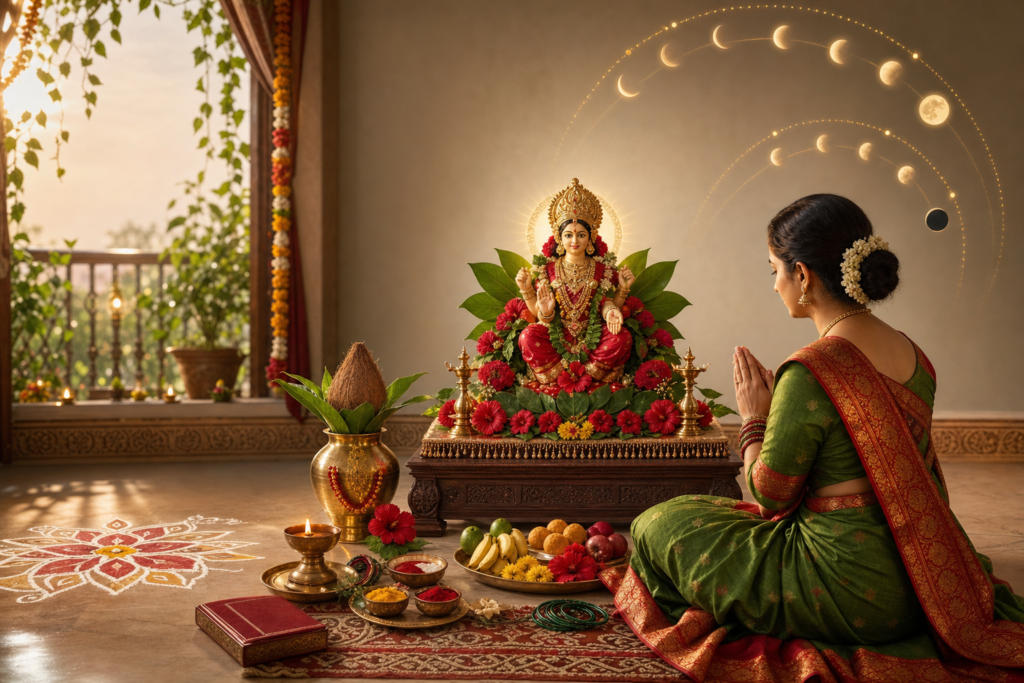
Friday, December 5, 2025, marks a significant lunar transition in the Hindu calendar (Panchang). Purnima Tithi (the full moon day) prevails until 5:18 AM on December 5, after which Krishna Paksha Pratipada (the first day of the waning fortnight) begins and continues until 3:01 AM (into the following date, as per most regional Panchangs). These timings are commonly observed in many regions, with minor variations possible across local almanacs.
Purnima holds a revered place across dharmic traditions as a symbol of completeness, clarity, and spiritual illumination. In Hindu practice, it is widely regarded as an auspicious window for worship, study of scriptures, charity, and community fellowship. Related full-moon observances also resonate within Buddhism and Jainism, where the lunar fullness often aligns with disciplined practice, meditation, and ethical reflection, reinforcing shared pathways of inner growth and compassion.
The onset of Krishna Paksha Pratipada signals the beginning of the waning half of the lunar month. In many households, this phase is observed as a contemplative periodwell-suited for refining daily routines, simplifying one’s surroundings, and deepening devotional practice. The movement from fullness to inwardness offers a gentle rhythm that encourages steadiness, gratitude, and purposeful livingvalues honored across Hindu, Buddhist, Jain, and Sikh communities in their own distinct yet harmonious ways.
For practical alignment with the day, many choose to engage in morning prayers during Purnima Tithi and continue with reflective practices as Krishna Paksha Pratipada begins. Acts of charity, quiet study, japa, meditation, and gratitude are especially resonant under this transition. While the general spiritual tenor is shared, specific Nakshatra, Rashi, and Shubh Muhurat (auspicious timing) details are best confirmed through a trusted regional Panchang, as these can vary by location and calculation tradition.
Viewed through the lens of unity, this date gently weaves together a common dharmic sensibility: honoring nature’s cycles, cultivating inner discipline, and nurturing harmony within families and communities. The calendar’s precision serves a larger purposestrengthening a shared ethical and spiritual culture that respects diverse practices while upholding the common quest for wisdom and well-being.
Inspired by this post on Hindu Blog.