
-
Why Gambling Destroys Truthfulness: A Powerful Dharmic Lesson for Spiritual Life
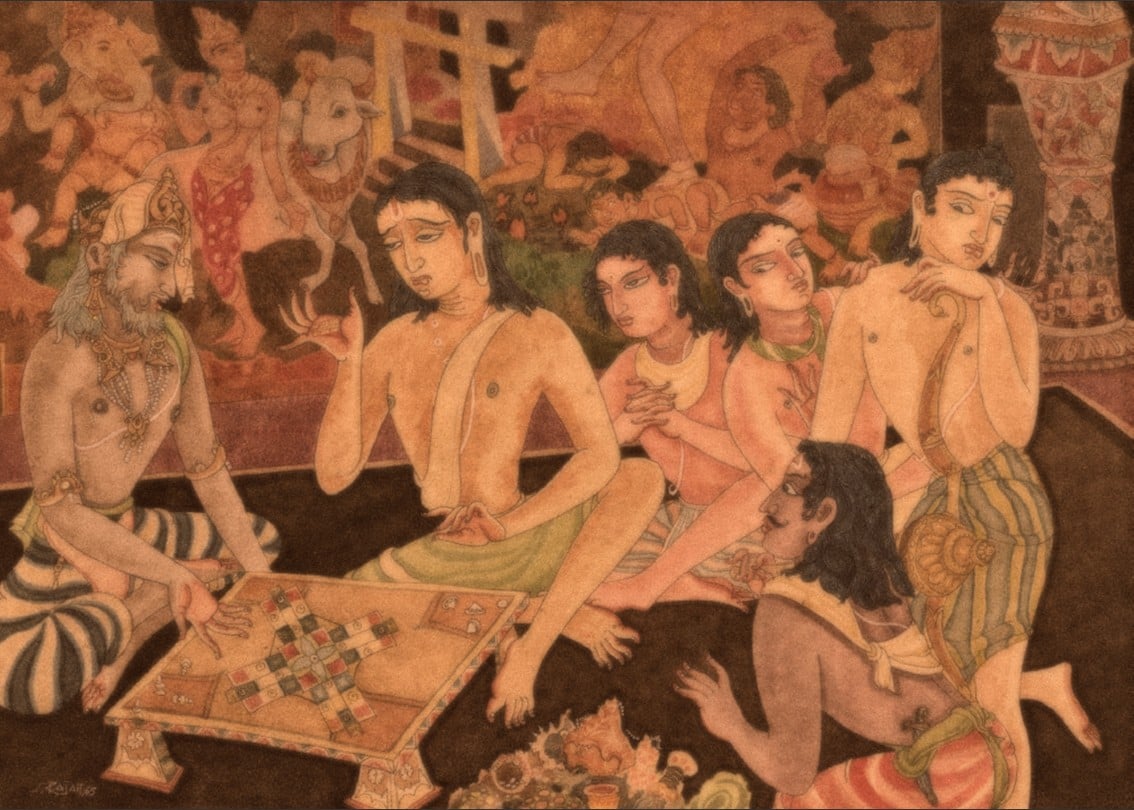
Gambling is examined here not as harmless entertainment, but as a serious threat to truthfulness, self-control, family trust, and spiritual progress. Drawing from the Srimad-Bhagavatam, Mahabharata, and the teachings of Srila Prabhupada, the discussion shows how gambling weakens the moral foundation of dharma. The article explains both gross gambling, such as casinos and lotteries, and…
-
When Truth Clears the Crowd: Hindu Wisdom on Honest and Lasting Bonds
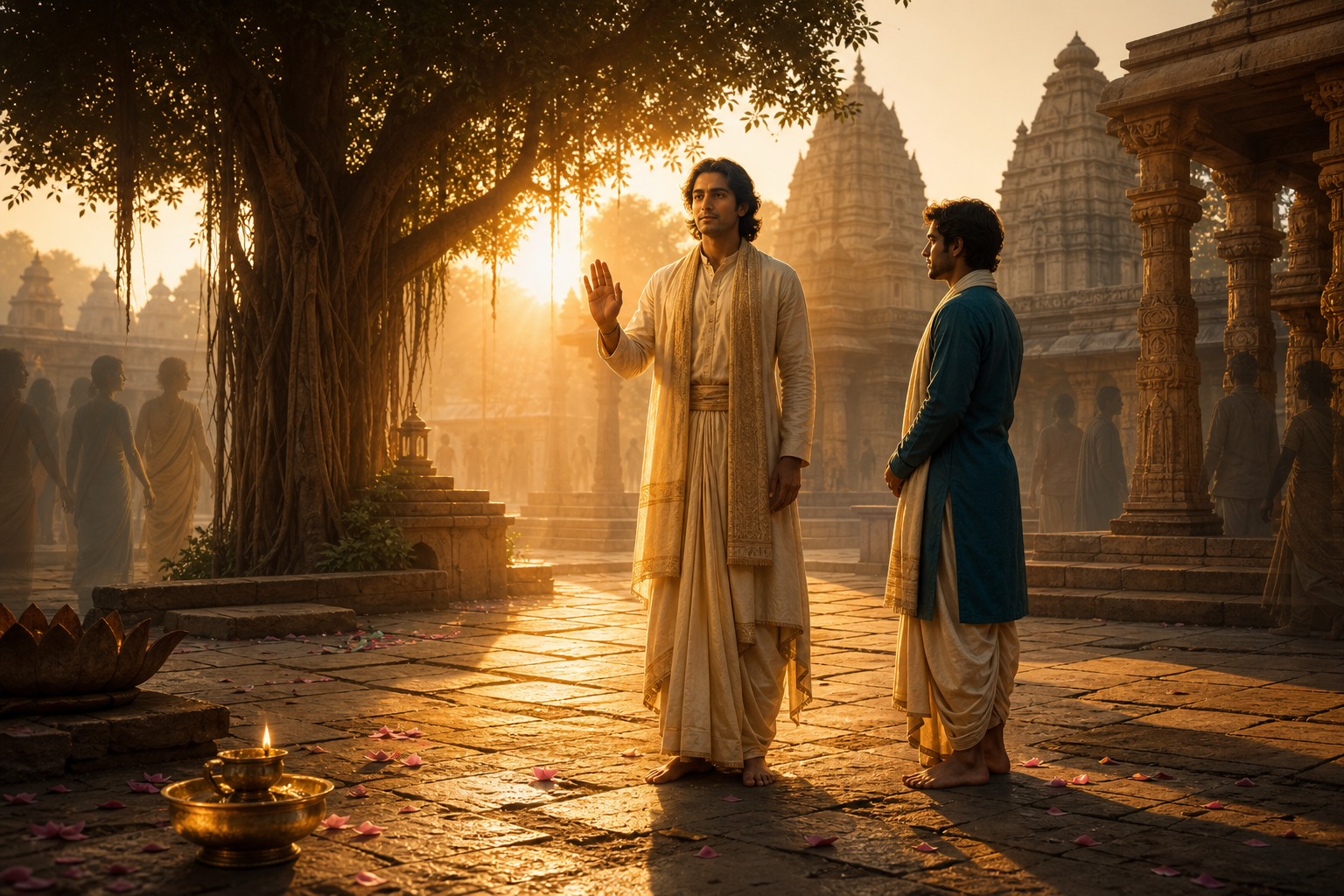
Honesty in Hindu philosophy is more than social politeness; it is the discipline of aligning speech, conduct, and conscience with satya. This article explains how truthful living often filters relationships, causing shallow or transactional associations to fade while genuine companionship remains. Drawing from Hindu teachings, the Bhagavad Gita, the Upanishads, and the broader dharmic traditions…
-
Truth Is Multi-Dimensional: Anekantavada, Vedanta, and Practical Ways to See Clearly

Many hear the phrase “truth is multi-dimensional” without a clear explanation. This article clarifies the concept using dharmic frameworksJain Anekantavada, the Buddhist two truths, Vedanta’s three levels of reality, and Sikh insights on Ik Onkar and satnam. It distinguishes objective, subjective, and intersubjective truth and shows how Indian pramanas (perception, inference, testimony, and more) rightly…
-
Stop Waiting for Signs: Reclaim Spiritual Agency with Dharmic Wisdom and Courage

This reflection traces a shift from passive petitioning to active participation, showing how spiritual bypassing can masquerade as humility and how reclaiming agency restores integrity. It demonstrates the measurable difference between surrender and abdication, reframing prayer as partnership rather than pleading. By naming habits of waiting for signs, it illustrates how opportunities are often deferred…
-
Satya in Yoga: How Truthfulness Unifies Inner and Outer Self for Lasting Inner Peace

Satya, the practice of truthfulness in Patanjali’s Yoga Sutras, unifies inner self and outer self by aligning thought, speech, and action. This ethical discipline reduces inner conflict, strengthens integrity, and supports mental clarity. Practiced with Ahimsa, truthfulness improves communication, trust, and community cohesion. The principle resonates across dharmic traditionsJainism, Buddhism, Sikhism, and Hinduismaffirming unity in…
-
ਚੁੱਪ ਦਾ ਸੰਦੇਸ਼: A Poetic Meditation on Truth, Courage, and Dharmic Unity in Silence

This reflection explores how silence, practiced with mindfulness, strengthens truth and courage across Hinduism, Buddhism, Jainism, and Sikhism. It presents mauna, Noble Silence, and simran as convergent disciplines that align speech with dharma and Ahimsa. Readers gain an academic yet accessible understanding of how Anekantavada invites many-sided truth while reducing harm. Practical micro-practicesbrief mauna, three-breath…
-
Nurturing Truth Within: A Dharmic Guide to Cultivating the Soul’s Seed of Wisdom

The insight, “Truth’s seed may be sown, but it must be nurtured by the soul,” highlights the difference between knowing truth and living it. Hindu philosophythrough shravaṇa, manana, and nididhyāsanashows how knowledge matures into steady wisdom. The Bhagavad Gita and the Upanishads emphasize that dharma-centered practice, not concept alone, yields Self-Realization. Parallel principles across Buddhism,…
-
The Essential Breakthrough on Projection: Discover Proven Shadow Work to Master Boundaries

This article examines projection psychology through a precise, compassionate lens. It traces how a person labeled “too much” learned, through therapy and shadow work, that intense reactions often reflect another’s unprocessed fear or history. The shift from self-blame to reflective inquiry enabled stronger boundaries, reduced over-explaining, and greater self-trust. Practices such as pausing, asking clarifying…
-
What is THE TRUTH?

This blog post explores the concept of truth and its multifaceted nature. Using a story of students observing a tree differently, the post illustrates how each person’s understanding of truth is shaped by their unique perspective and experiences. It delves into the limitations of human abilities in comprehending the entirety of truth, drawing parallels with…