-
Intensity or Casualty? How Humility, Seva, and Trials Forge Prema in Gaudiya Bhakti

This analysis examines the Gaudiya Vaishnava benchmark of prema through the lens of CC Madhya 13.147 and a contemporary London discourse by HH S.B. Keshava Swami. It explains five verifiable signs of mature devotion—humility, seva, emotional softening, persistence, and Krishna-centered decision-making—and shows how trials function like fire purifying gold. Readers gain a clear roadmap from…
-
From Atheism to Bhakti: How Srila Prabhupada Guided Visakha Devi Dasi Toward Lasting Fulfillment

This long-form analysis traces Visakha Devi Dasi’s movement from atheism to Bhakti Yoga through Srila Prabhupada’s guidance, situating her experience within Vedic philosophy and contemporary inquiry. It explains how structured practices—chanting, study, seva, and community—offer a replicable methodology for lasting fulfillment. The discussion clarifies the ninefold processes of bhakti, the epistemic role of the Guru-Shishya…
-
A Triplicane Teacher’s Encounter with Ramana Maharshi: Silence, Self-Inquiry, and Grace

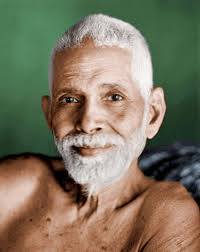
Set in the 1980s at Hindu Higher Secondary School, Triplicane, this reflective account presents a teacher’s encounter with Ramana Maharshi and situates it within Advaita Vedanta. It clarifies the core of self-inquiry (“Who am I?”), explains how silence functions as a rigorous pedagogical medium, and shows how contemplative insight can enrich classroom ethics and student…
-
Honoring Senior Devotees: Cultivating Humility, Strength, and Unity in Dharmic Life

Appreciating senior devotees is a disciplined expression of Vaisnava etiquette that advances purification and steadies bhakti. Seen through the lens of the Guru-Shishya Relationship, respect for elders functions as sadhana by transmitting lived virtues through satsanga and seva. Early arrogance often stems from ignorance of history; understanding the sacrifices of senior devotees, including those who…
-
Unlocking Swayamprabha’s Inner Light: Ramayana Symbolism, Feminine Resilience, and Modern Relevance

Swayamprabha’s brief yet pivotal appearance in the Ramayana illuminates how inner luminosity, disciplined through tapas and expressed as seva, can convert heartbreak into creative momentum. Positioned in the Kishkindha Kāṇḍa, her guidance reorients Hanuman’s search party from a dazzling cave of māyā back to purpose, modeling threshold guardianship and ethical hospitality. The symbolism converges with…
-
The School of Life: Insights from HH Svayam Bhagavan Keshava Maharaja’s Marathon Podcast (Dec 2025)

In December 2025, HH Svayam Bhagavan Keshava Maharaja’s Marathon Podcast, The School of Life, presented a disciplined framework for living as a spiritual education. The approach integrates puruṣārthas with yogic psychology, translating Vedic philosophy and the Upanishads into daily, reproducible practices. Bhakti, karma yoga, jñāna, and dhyāna are balanced with ethics like satya, ahiṁsā, and…
-
Srimad Bhagavatam 7.12.16: Bhakti Discipline and Inner Transformation at ISKCON GEV

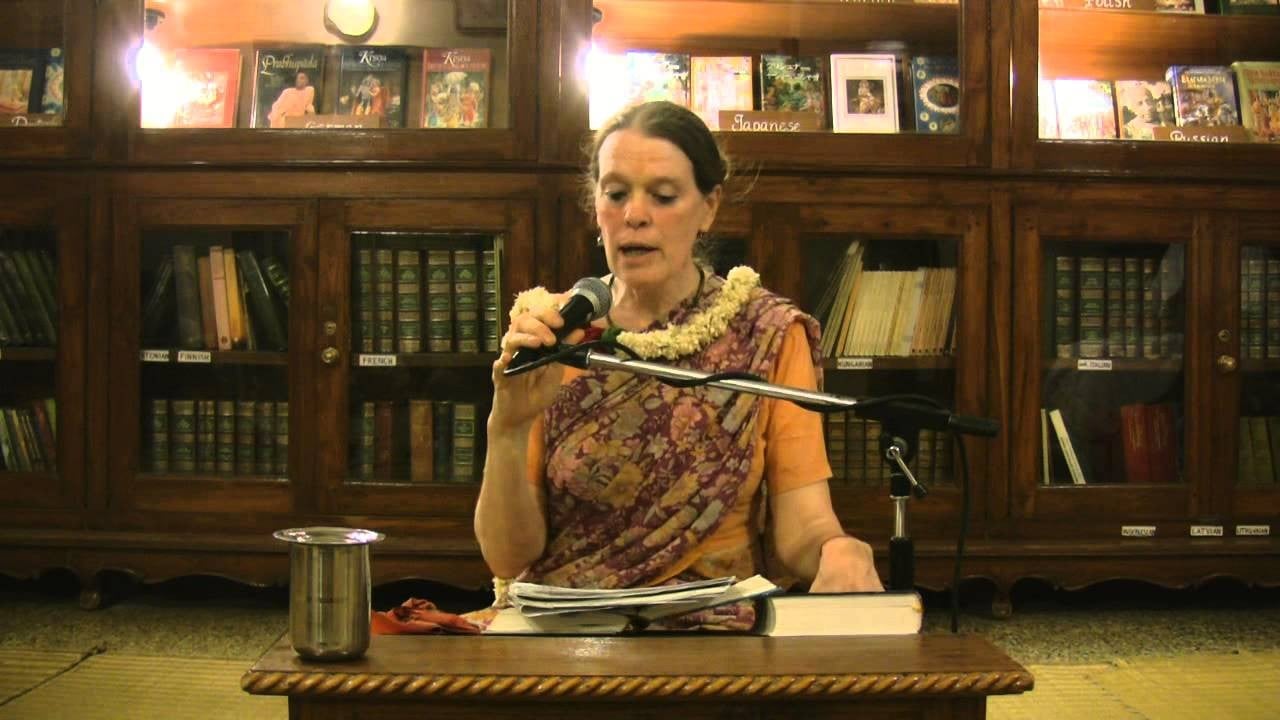
This in-depth summary of the Srimad Bhagavatam 7.12.16 class by H.G. Mahamaya Mataji at ISKCON GEV presents a clear, academically grounded pathway to devotional growth. It situates the verse within Canto Seven’s broader ethical and spiritual framework and explains how guru–shishya parampara safeguards scriptural integrity. Readers gain a practical map of sadhana—from śraddhā to prema—supported…
-
2,300 Miles of Mindfulness: The Transformative 108-Day Walk for Peace Across America

Nineteen Vietnamese Buddhist monks from Fort Worth completed a 108-day, 2,300-mile Walk for Peace to Washington, D.C., modeling compassion, nonviolence, and mindful presence across nine states. The journey’s 108-day design drew on a shared dharmic symbol of completeness, uniting Buddhist metta with Hindu ahimsa, Jain vows of non-harm, and Sikh seva. Public response centered on…
-
Seven Stages of Life in the Ramayana: A Dharma-Guided Journey from Childhood to Moksha

The Ramayana offers a symbolic map of seven life stages—from childhood to moksha—showing how dharma shapes character, relationships, leadership, and final liberation. Read as a guide, not only as history, it highlights how virtues formed in childhood mature through disciplined study, ethical family life, purposeful renunciation, just action, compassionate governance, and ultimately selfless letting go.…
-
Touching the Book, Touching Freedom: HG Satyanarayana Prabhu on Bhakti and Service

This piece profiles HG Satyanarayana Prabhu, a direct disciple of Srila Prabhupada, whose service as Director of the Bhaktivedanta Book Trust in the Far East and Middle East exemplifies devotion grounded in scholarship. It highlights the bhakti conviction that sacred texts can catalyze inner transformation, beginning with a simple touch and deepening through study and…
-
From Saint Louis to Spiritual Inquiry: HG Sravaniya dasi’s Lifelong Quest for Truth

Her Grace Sravaniya dasi, born in Saint Louis, exemplifies a principled journey grounded in metaphysics, spirituality, and ethical living. Choosing vegetarianism at seventeen, she aligned her life with ahimsa and mindful compassion. Her study of eastern classics reflects a focused search into consciousness and reality, prioritizing inner transformation over external acclaim. Consistently drawn to non-commercial…
-
King Prthu’s Radiant Ascent to Vaikuntha: Timeless Lessons for Devotional Elevation

This article examines the Srimad-Bhagavatam account of King Prthu and Queen Arci ascending to Vaikuntha, highlighting how virtuous leadership and devotion culminate in spiritual perfection. It explains the text’s explicit assurance that narrating Prthu’s qualities with faith carries profound soteriological benefits. Readers gain clear, academically grounded insight into how hearing and describing saintly lives function…
-
SB 3.1.1–16: Vidura’s Roadmap to Resilience—Navigate Spiritual Trials with Clarity & Devotion

This session on SB 3.1.1–16 presents Vidura’s example as a practical roadmap for meeting spiritual difficulties with clarity, devotion, and resilience. Participants begin with a focused intention-setting exercise that strengthens attention and emotional steadiness. The teaching distills Vidura’s virtues—humility, detachment, perseverance, seva, and bhakti—into a seven-step framework that can be applied immediately. Emphasis on satsanga,…
-
4 Timeless Disciplines to Sustain Bhakti: Humility, Offense-Awareness, Strong Sanga, Clear Path
Long-term perseverance in the Bhakti Tradition flourishes when four stabilizing disciplines are cultivated: humility, freedom from offenses (aparadha), elevating sanga, and a clear path of sādhana. Humility softens ego and increases receptivity to guidance, making chanting and meditation more attentive. Guarding against offenses protects sacred relationships and aligns with universal dharmic values like right speech…
-
New Mayapur’s Living Legacy: Srila Prabhupada’s Vision of Bhakti, Community, and Self‑Sufficiency

This concise documentary offers a focused window into New Mayapur in France, where Srila Prabhupada’s vision of rural community life and self‑sufficiency is actively practiced. It highlights how bhakti, kirtan, and seva shape daily rhythms, linking sacred spaces to practical responsibilities. The narrative shows how Hare Krishna traditions can adapt to European settings without diluting…
-
From Curiosity to Courage: Swami Vivekananda’s Living Legacy for Confident Hindu American Youth

Swami Vivekananda’s legacy offers a rigorous, modern roadmap for Hindu American youth: transform curiosity into disciplined learning, and learning into compassionate seva. His 1893 Chicago address reframed Hinduism as rational and pluralistic, a vision now activated through advocacy and education in groups such as CoHNA. This approach strengthens unity in diversity and aligns with the…
-
Beyond Dogma: How Losing Faith Rebuilt Meaning, Spiritual Wellness, and True Aliveness

A life built on compliance unraveled after divorce and family rupture, revealing not only depression but a deeper spiritual unwellness. Through surrender and grounded practices—therapy, yoga, meditation, journaling, community, and carefully held psychedelic work—personal meaning was rebuilt from the inside out. Ordinary moments became sacred through honesty, embodiment, and presence. The narrative illustrates why spiritual…
-
Finding Calm in High‑Risk Pregnancy: Surrender, Hypnobirthing, and Type 1 Resilience

A sudden diagnosis of type 1 diabetes at twenty-five weeks turned a routine pregnancy into a high-risk pregnancy overnight. By shifting from rigid control to informed surrender, calm returned: insulin therapy, carbohydrate counting, and glycemic targets were balanced with hypnobirthing, relaxation, and mindful self-talk. The result was steadier decision-making, less reactivity, and renewed confidence in…
-
Krishna–Arjuna’s Sacred Friendship: Choosing Companions Who Challenge and Elevate the Soul

The Krishna–Arjuna friendship in the Mahabharata showcases how authentic companionship challenges, clarifies, and elevates. It models truth with empathy, accountability without humiliation, and steadfast alignment with dharma. The same ideal appears across dharmic traditions: kalyāṇa-mitra in Buddhism, sādhu-saṅgha in Jainism, and sangat in Sikhism, alongside Hinduism’s satsang and Bhakti Tradition. Readers gain practical criteria for…
-
Becoming an Empty Vessel: Surrendering Doership for Peace and Clarity in Dharmic Paths

This reflection explores the Dharmic insight that ego-driven doership is an illusion and that becoming an “empty vessel” restores clarity, peace, and ethical strength. It explains how the Bhagavad Gita’s Karma Yoga reframes action as service, releasing attachment to outcome without weakening responsibility. The discussion highlights convergences across Hinduism, Buddhism, Jainism, and Sikhism—anatta, aparigraha, samayik,…