
Hinduism is often imagined as an ancient wisdom transmitted under banyan trees by sages; yet its vitality rests in a dynamic capacity to evolve. Few figures exemplify this modern, adaptive spirit more than Swami Vivekananda, whose thought anchored an expansive view of dharma that remains relevant to contemporary life, scholarship, and civic engagement.
Vivekananda’s early skepticismhis willingness to question the existence of the Divinedid not diminish faith; it refined it. That curiosity became method. It led to a formative relationship with his guru, Ramakrishna Paramahansa, grounded in disciplined inquiry, experiential learning, and selfless seva. Through this rigorous path, he discovered an intellectual and ethical framework that balanced inner realization with social responsibility.
Traveling on yatra across India, he confronted the realities of colonial rule and widespread deprivation. These experiences shaped an integrative visionbringing together secular thought, constructive nationalism, and Advaita Vedantato restore dignity and confidence among the masses. Crucially, he argued that Hindu culture and philosophy are living, application-ready ideals capable of guiding modern societies without abandoning their spiritual core.
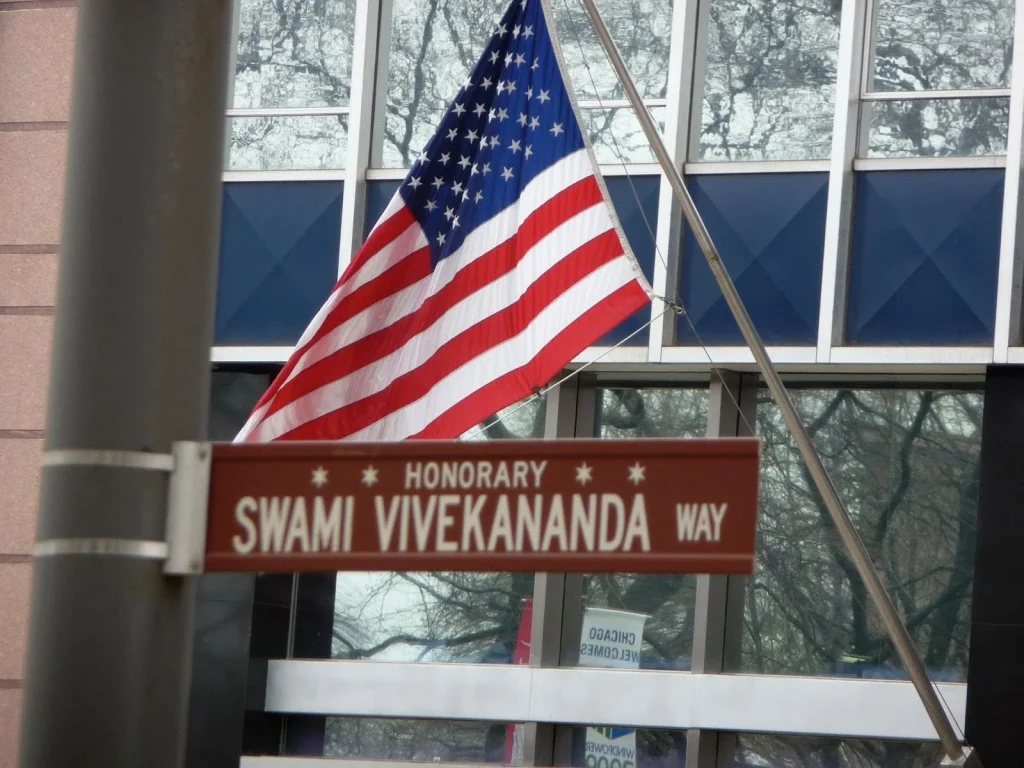
The 1893 address at the World’s Parliament of Religions in Chicago marked a pivotal moment: Hinduism was introduced to America not as an exotic relic but as a rational, pluralistic tradition. Commemorations such as Swami Vivekananda Way on Michigan Avenue symbolize this enduring bridge. Today, that bridge extends into the Hindu American Community, where students and young professionals translate his insights into practical leadership, intercultural dialogue, and community education.

For many youth in 2026especially those engaging with the Coalition of Hindus of North America (CoHNA)Vivekananda’s legacy provides a roadmap from questioning to contribution. Curiosity encourages rigorous study; study leads to clarity; and clarity inspires compassionate action. In campus forums, neighborhood projects, and digital literacy initiatives, this progression is visible: a steady movement from inner conviction to public service.
CoHNA’s model of advocacy and education embodies the constructive spirit Vivekananda championedinviting Hindus of diverse backgrounds to collaborate on issues of representation, civil rights, and cultural literacy. In this work, unity in diversity is not a slogan but a method: building brotherhood and empathy across differences to counter polarization with evidence, ethics, and empathy.
Aligned with the broader family of dharmic traditionsBuddhism, Jainism, Sikhismthis approach elevates shared values of ahimsa, seva, satya, and disciplined inquiry. It recognizes multiple valid paths while maintaining the integrity of each tradition. This dharmic pluralism strengthens social cohesion, nurtures interfaith respect, and equips youth to engage constructively in a complex, globalized society.

Three practical disciplines recur in youth-led efforts inspired by Vivekananda: first, cultivate curiosity as a structured practice of questioning and learning; second, ground engagement in seva, where service refines character and builds social trust; third, sustain dialogue across worldviews, letting reason and compassion guide discourse. These disciplines reflect the guru–shishya ethos of lifelong learning, the Vedanta commitment to universal truths, and the civic duty to uphold fairness and dignity for all.
Ultimately, Vivekananda’s living legacy is a blueprint for confident, values-based leadership. It encourages today’s youth to carry forward an ancient yet evolving traditionone that integrates scholarship and service, reverence and reform, identity and inclusivity. In doing so, they honor a lineage of trailblazers while ensuring that Hinduism’s dynamic wisdom continues to enrich the public square, build bridges across communities, and advance a future defined by dignity, unity, and purpose.
Inspired by this post on CoHNA.










