On February 10, 2026, in New Delhi, a coordinated resolution emerged to strengthen a nationwide, voluntary ‘Ghar Wapsi’ outreach as a platform for dharmic unity and cultural renewal. More than twenty-five organizations committed to collaborative action designed to support informed, self-directed returns to ancestral dharmic practices—Hinduism, Buddhism, Jainism, and Sikhism—while upholding India’s constitutional guarantees of religious freedom, dignity, and peaceful coexistence. The initiative framed ‘Ghar Wapsi’ not as a contest of faiths, but as a civil, community-based program for cultural reconnection, identity restoration, and social cohesion across dharmic traditions.
Participants referenced a broad coalition of community leaders and groups, including Upananda Brahmachari, Dr Charudutta Pingale, Rahul Dewan, Swami Radhakantananda, and networks associated with Hindu Janajagruti Samiti (HJS). Their contributions emphasized evidence-based planning, ethical engagement, and a pan-Indian strategy attentive to regional contexts. Testimonies shared during the discussions described how reconnecting with dharmic heritage can nurture belonging, restore confidence, and reinforce responsibility toward family and society without denigrating other paths.
The resolution outlined clear objectives: culturally grounded education, transparent counseling on dharmic philosophy and practice, legal awareness on religious freedom, and community service initiatives that strengthen social trust. A core ethical stance was reiterated—no coercion, inducement, or denigration of other faiths. Instead, the outreach centers on dialogue, historical literacy, and lived practice within Sanatana Dharma’s plural ethos, while honoring the shared civilizational values that link Hindu, Buddhist, Jain, and Sikh communities.
To enhance impact, the network committed to capacity building through volunteer training, cross-regional coordination, and rigorous documentation of program outcomes. Proposed measures included developing multilingual resources on dharmic teachings, strengthening digital platforms for outreach and guidance, and supporting local cultural centers and study circles. This approach aims to bridge urban–rural divides, involve youth and elders alike, and connect diaspora perspectives with on-the-ground community needs.
Safeguards and ethical guidelines formed a pivotal pillar of the plan. The coalition affirmed religious pluralism, interfaith respect, and unity in diversity, clarifying that ‘Ghar Wapsi’ is a voluntary cultural homecoming grounded in personal conviction. Dialogue among dharmic traditions was positioned as a continuous process to deepen mutual understanding, reduce polarization, and counter misinformation. The emphasis remained on informed choice, dignity, and the cultivation of compassion and service (seva).
Implementation milestones include regional consultations, thematic workshops on history and dharmic philosophy, and a 2026 activity calendar to synchronize national and local efforts. Collaboration with temples, vihāras, jain derasars, and gurdwaras—where appropriate and by invitation—will focus on cultural education, ethical living, and community welfare. Metrics proposed for evaluation include participation quality, community well-being indicators, and the demonstrable strengthening of intercommunity harmony.
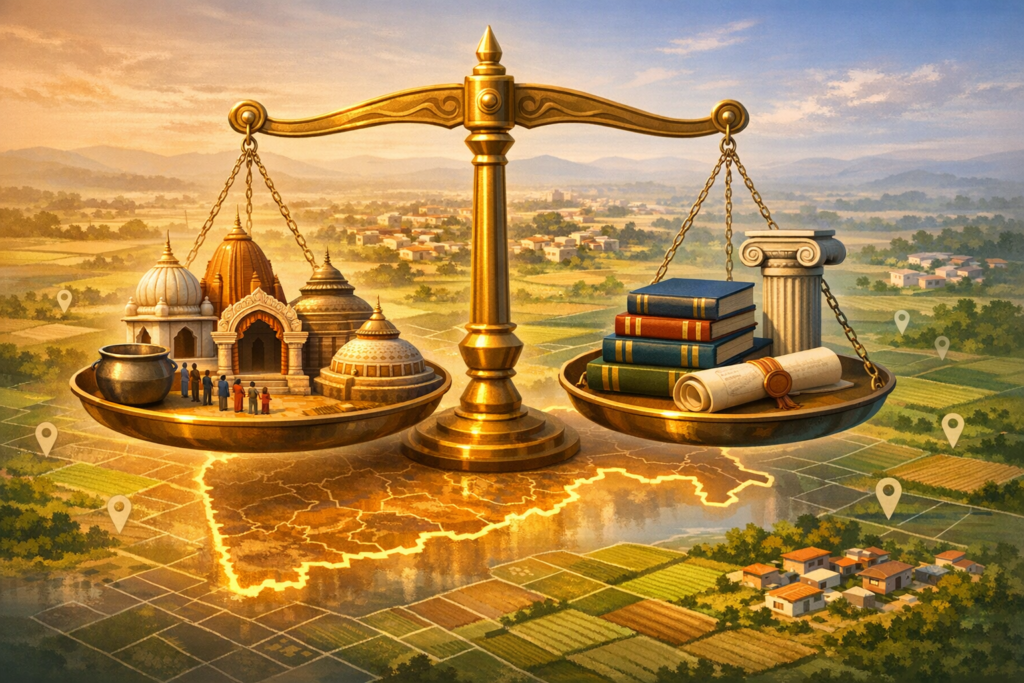
In contextualizing the initiative, participants underscored India’s long-standing traditions of religious pluralism and constitutional protections. By aligning voluntary ‘Ghar Wapsi’ with dharmic unity, interfaith dialogue, and social responsibility, the Delhi conference presented a model that seeks to reduce social alienation, promote cultural confidence, and foster peaceful public life. The resolution’s academic clarity and community-centered design reflect a commitment to unity across dharmic paths—encouraging cultural reawakening while respecting every individual’s freedom of conscience.
Inspired by this post on Struggle for Hindu Existence.