

Bharatiya communities in the Girmit-[indentured]-descended diaspora carry a story of endurance, migration, work, food, faith and family. That story is a source of cultural strength, yet it also raises an urgent public-health question: why are heart attacks, diabetes and coronary artery disease appearing so early in many families of Indian origin across Fiji, Guyana, Trinidad, South Africa, New Zealand, Canada, Australia, the United Kingdom and beyond?
The question is not abstract. In many diaspora households, an uncle who seemed “healthy” develops chest pain in his forties; a cousin who is not visibly overweight is diagnosed with diabetes; a parent dismisses breathlessness as fatigue after work; a grandmother remembers several male relatives dying suddenly before old age. These experiences have become familiar enough to feel normal, but they should not be accepted as inevitable.
The Indo-Caribbean Cultural Centre (ICC) Thought Leaders’ Forum held on 04/01/2026 addressed this concern through the theme “Heart Health among Indians in the Diaspora.” The ZOOM program was chaired by Shalima Mohammed from Trinidad and moderated by Dr. Seshni Moodliar Rensburg from England/South Africa. Four physicians and thought leaders examined premature coronary artery disease, genetic risk, diabetes, lifestyle change, community screening and the cultural context of prevention.
The central message was clear: heart disease among Bharatiya and South Asian diaspora communities cannot be explained by one factor alone. Genetics may matter. So do central obesity, insulin resistance, diabetes, physical inactivity, smoking, high blood pressure, high cholesterol, chronic stress, disrupted sleep, ultra-processed foods, migration-related dietary transitions and uneven access to early medical care. The strongest response must therefore combine biomedical screening with culturally intelligent prevention.
Globally, cardiovascular diseases remain the leading cause of death. The World Health Organization reported in its 2025 fact sheet that an estimated 19.8 million people died from cardiovascular diseases in 2022, and that most cardiovascular disease can be prevented by addressing risks such as unhealthy diet, physical inactivity, tobacco use, obesity, raised blood pressure, raised blood glucose and raised blood lipids. That broad global pattern becomes particularly serious when viewed through the experience of South Asian and Girmit-descended communities, where disease may appear earlier than expected.
Dr. Pritika Narayan of New Zealand, originally from Fiji and herself a Girmit-descendant, brought attention to the Fiji Heart Study, described in the forum as a world-first genomic project. Her work asks why many young Fijians in their twenties, thirties and forties suffer premature heart attacks despite appearing otherwise healthy and slim. The phenomenon challenges the comforting assumption that only visibly overweight, older or visibly ill individuals need to worry about coronary artery disease.
According to the forum summary, these young patients often show aggressive plaque build-up and severe coronary artery disease across multiple generations. That pattern raises the possibility of a strong genetic component. Dr. Narayan also connected the question to history: extreme environmental pressures, famine, displacement and survival conditions experienced by ancestors may have shaped biological vulnerability in later generations. This does not mean that genetics is destiny; it means that family history deserves serious clinical attention rather than casual dismissal.
The Fiji Heart Study points toward a wider scientific principle: inherited risk and lived environment interact. A person may inherit a tendency toward insulin resistance, abnormal lipid patterns or rapid plaque formation, but whether that risk becomes disease can be influenced by diet, movement, blood pressure control, diabetes management, sleep, stress, tobacco exposure and timely medical treatment. In diaspora communities, that interaction is often intensified by migration, economic pressure and the loss of older food and activity patterns.
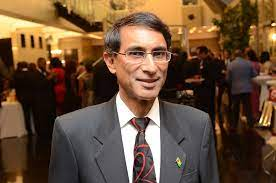
Dr. Vijay Kapadia, an interventional cardiologist based in Australia and originally from Fiji, situated the problem beyond Fiji alone. He emphasized that premature coronary artery disease, vascular disease and early mortality are increasingly observed across the South Asian diaspora. His experience as a junior doctor in Suva, Fiji, included seeing Indian patients in their twenties and thirties with heart attacks, even when they were not obese, diabetic or smokers. Such cases force clinicians to look beyond the standard risk profile.
This observation has major implications for screening. Many medical systems still rely heavily on age, smoking status, cholesterol, blood pressure and diabetes in conventional risk calculators. These tools are useful, but they may underestimate risk in some people of South Asian origin, especially where there is a strong family history of early heart attack, central obesity, prediabetes, metabolic syndrome or unusual lipid markers. For Bharatiya families, asking about parents, siblings, grandparents, uncles and aunts who had early heart disease is not gossip; it is preventive medicine.
Dr. Mahendra Carpen of Guyana, an interventional cardiologist and cardiac electrophysiologist, described a striking change in clinical practice. When he returned to Guyana in 2012, many heart attack patients were in their fifties and sixties. Over the following decade, he saw that age shift downward into the thirties and forties. This trend is especially troubling because it affects people during working years, parenting years and years of major family responsibility.
His warning about “a small heart attack” deserves careful attention. A mild or limited heart attack may sound less frightening than a major cardiac event, but it is still evidence of underlying cardiovascular disease. Even if heart function appears preserved initially, the future risk of deterioration, recurrent events or rhythm problems can remain significant. In practical terms, a “small” event should become a turning point for aggressive prevention, medication adherence, cardiac rehabilitation and family-wide screening.
Dr. Carpen also highlighted that heart attack symptoms may differ between men and women. Men often describe central chest pain or pressure, but women may present with dizziness, breathlessness, nausea, fatigue, jaw discomfort, back pain or discomfort between the shoulder blades. The World Health Organization similarly notes that women are more likely than men to experience symptoms such as shortness of breath, nausea, vomiting and back or jaw pain during a heart attack. In families where women are expected to endure discomfort quietly, this knowledge can be life-saving.
The forum’s discussion of screening was therefore not a minor technical point. Symptom checks, physical examination, waist measurement, blood pressure readings, fasting or non-fasting lipid testing, glucose and HbA1c testing, ECGs, stress testing, echocardiography and coronary evaluation may all have a role depending on age, symptoms, family history and risk burden. For high-risk individuals, earlier assessment may be appropriate. The decision should be made with a qualified health professional, but the community-level principle is simple: waiting for a major heart attack is not prevention.
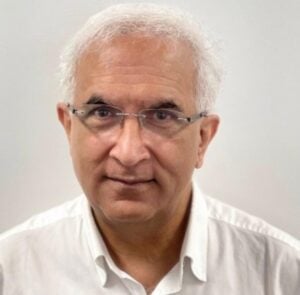
Dr. Vivian Rambihar, born and raised in Guyana and later based in Toronto as a cardiologist, brought a broad diaspora perspective. He has advocated for decades on the prevention of heart disease and diabetes in Indian communities worldwide. His contribution balanced urgency with dignity. Bharatiya communities should not define themselves only through disease risk; they also contain powerful traditions of resilience, food knowledge, family care, spirituality, service, movement, discipline and community support.

At the same time, Dr. Rambihar emphasized that excess and premature heart disease and diabetes must be recognized earlier and treated more intensely, especially where multiple risk factors and early family history are present. He also urged attention to social, cultural, political, commercial and other determinants of health. This is important because individual choices do not occur in a vacuum. Long work hours, food marketing, urban design, economic stress, loneliness, shift work, alcohol availability, processed snacks and limited access to preventive care all shape cardiovascular risk.
The cultural dimension is especially important in Girmit-descended communities. Traditional foodways were shaped by scarcity, plantation labor, adaptation and memory. Rice, roti, dhal, tarkari, achar, sweets, fried snacks and festive foods became carriers of belonging. Food was not only nutrition; it was continuity. A serious heart-health conversation must therefore avoid insulting inherited food traditions. The goal is not to abandon cultural heritage, but to refine habits in ways that protect the body while respecting the table.
That refinement may include smaller portions of refined carbohydrates, more vegetables and legumes, less deep-frying, more attention to protein quality, reduced sugar in tea and sweets, and cooking methods that preserve flavor without excess oil or salt. Traditional meals can often be made more heart-supportive without becoming culturally unrecognizable. Dhal, sabzi, beans, lentils, chutneys with less salt, fermented foods in moderation, herbs, spices, nuts, seeds and fresh fruit can remain part of a practical dietary pattern.
Central obesity is a particular concern for South Asian populations. A person may not appear generally obese but may carry excess abdominal fat, which is closely associated with insulin resistance, abnormal cholesterol patterns, fatty liver disease, diabetes and cardiovascular risk. For this reason, waist measurement and waist-to-height awareness can sometimes reveal risk that body weight alone misses. Community health messaging should therefore move beyond appearance and address metabolic health directly.
Diabetes is another central factor. High blood sugar over time can damage blood vessels and accelerate heart, kidney, eye and nerve complications. The American Heart Association’s Life’s Essential 8 framework includes managing blood sugar, controlling cholesterol, managing blood pressure, eating better, being more active, quitting tobacco, sleeping well and maintaining a healthy weight. These principles are not foreign to Bharatiya life; they can be integrated with family cooking, walking groups, yoga, seva, shared accountability and intergenerational care.
Physical inactivity often enters diaspora life quietly. Ancestors who labored in fields, walked long distances and performed demanding household work lived within a very different energy environment. Modern work may involve sitting for hours, commuting by car, eating late, sleeping poorly and recovering through screens rather than movement. A culturally realistic prevention strategy should normalize daily walking, strength training, yoga, dance, gardening, sports and active social gatherings rather than treating exercise as a separate luxury.
Stress also deserves medical seriousness. Migration histories often include separation from homeland, pressure to succeed, racism, financial insecurity, family obligations across countries and the emotional burden of maintaining cultural identity in unfamiliar settings. Chronic stress may influence blood pressure, sleep, eating patterns, alcohol use, tobacco use and inflammation. Community spaces that support conversation, belonging, dharmic reflection, meditation, prayer, music and mutual aid can therefore contribute indirectly to heart health.
The dharmic traditions of Hinduism, Buddhism, Jainism and Sikhism each offer resources that can support healthier living without reducing health to moral judgment. Ahimsa, mindfulness, seva, self-discipline, moderation, compassion, sangat, meditation and reverence for the body as a vehicle of duty all encourage care rather than neglect. These traditions should not replace medical treatment, but they can strengthen motivation, reduce isolation and help families sustain change.
A practical community model would begin with family history. Every household can ask: who had a heart attack before age 55 among men or before age 65 among women? Who has diabetes, kidney disease, stroke, high blood pressure or high cholesterol? Who died suddenly? These questions can be uncomfortable, but silence protects no one. A shared family health record, even a simple written note, can help younger relatives seek earlier medical advice.
The next layer is measurement. Blood pressure, waist circumference, lipid profile, HbA1c, fasting glucose when appropriate, kidney function and smoking status provide basic information that can guide prevention. Some high-risk patients may need additional tests such as lipoprotein(a), apolipoprotein B, coronary artery calcium scoring or specialist evaluation, depending on local guidelines and physician judgment. The technical details matter, but the broader lesson is that hidden risk must be made visible before damage becomes irreversible.
Early treatment should not be seen as failure. In some families, there is reluctance to begin blood pressure medication, statins, diabetes medication or other evidence-based therapies because medication is viewed as a sign of weakness or permanent illness. In reality, appropriate treatment can prevent heart attacks, strokes, kidney failure and disability. Lifestyle change and medical therapy are not enemies; for many high-risk individuals, they work best together.
The role of women in prevention is also crucial. Women often manage food, caregiving, medical appointments and emotional labor, yet their own symptoms may be minimized. Heart-health programs must therefore address women not only as caregivers but as patients with their own risks. Pregnancy complications, gestational diabetes, menopause, autoimmune disease, stress and caregiving burden can all influence cardiovascular health. A family that protects its mothers, daughters, sisters and grandmothers protects the whole community.
Younger adults also need direct attention. A person in the twenties or thirties may assume that heart disease belongs to another generation. The experiences described by Dr. Narayan, Dr. Kapadia and Dr. Carpen show why that assumption may be dangerous in some diaspora families. Young adults with a strong family history, diabetes, hypertension, smoking, central obesity, high cholesterol or concerning symptoms should not delay medical evaluation simply because they feel too young to be at risk.
Community institutions can make prevention easier. Mandirs, gurdwaras, cultural associations, youth groups, senior groups, temples, schools and diaspora organizations can host blood pressure checks, educational talks, walking clubs, healthier festival menus, cooking demonstrations and family-history campaigns. Such programs work best when they are respectful, practical and free from shame. The aim is not to police food or bodies; it is to reduce preventable suffering.

The forum also suggests a research agenda. Girmit-descended populations have distinctive histories that are not always visible in mainstream South Asian health studies. Fiji, Guyana, Trinidad, Suriname, Mauritius, South Africa and other diaspora settings deserve focused research on genetics, environment, diet, social stress, access to care and intergenerational health patterns. The Fiji Heart Study is significant because it treats a historically specific population as worthy of serious genomic and clinical attention.
Yet research must be handled ethically. Genetic findings should never be used to stigmatize a community or imply biological inferiority. They should be used to improve screening, personalize treatment and strengthen prevention. The most humane interpretation is that ancestral suffering, migration and survival may have left complex marks on health, and that modern knowledge can help descendants protect life with greater precision.
There is also a need for better communication between doctors and patients. Medical language such as CAD, atherosclerosis, plaque, lipids, HbA1c, angioplasty and electrophysiology can feel distant from everyday life. Families often understand risk more clearly when it is connected to lived experience: blocked arteries are not just an image on a scan; they may determine whether a parent sees children grow up, whether a grandparent remains independent, or whether a family loses income and stability.
Emergency awareness must be part of that communication. Chest pressure, pain spreading to the arm, shoulder, jaw or back, shortness of breath, cold sweat, faintness, nausea, unusual fatigue or sudden neurological symptoms should be treated seriously. People experiencing possible heart attack or stroke symptoms should seek urgent medical care immediately. In high-risk families, delay can be deadly.
The deeper lesson from the ICC forum is that heart health among Bharatiya in the diaspora is both a medical issue and a civilizational responsibility. A community that preserved language, ritual, music, food and family through migration can also preserve life through knowledge, screening and disciplined care. The richness of cultural heritage need not be sacrificed for prevention; it can become the very foundation of prevention.
Protecting the heart means honoring ancestors without romanticizing every inherited habit. It means keeping dhal and roti on the table while rethinking portions, oil and sugar. It means celebrating festivals while offering healthier choices. It means respecting elders while encouraging check-ups. It means teaching young adults that strength includes knowing one’s numbers. It means using dharmic traditions of balance, compassion and self-mastery to support evidence-based medicine.
The most hopeful conclusion is that premature heart disease is not merely a private tragedy waiting to happen. It is a community challenge that can be reduced through earlier screening, better research, culturally rooted prevention, responsible medical care and stronger family conversations. For the Bharatiya diaspora, the heart is not only an organ; it is a symbol of memory, duty, affection and continuity. Protecting it is an act of cultural preservation as much as clinical prevention.
— Based on excerpts from the Indo-Caribbean Cultural Centre (ICC) Thought Leaders’ Forum featuring Dr. Pritika Narayan, Dr. Vijay Kapadia, Dr. Mahendra Carpen and Dr. Vivian Rambihar, with program leadership by Shalima Mohammed and Dr. Seshni Moodliar Rensburg.
Inspired by this post on Hindu Post.









Leave a Reply
You must be logged in to post a comment.