-
The Data Gap Behind Religious Hate Crime Claims: Why Evidence Must Lead

This article examines why claims about religious hate crimes in India require stronger evidence, clearer definitions, and more consistent public data. It explains that acknowledging data gaps does not deny the reality of discrimination or violence against any religious community. Instead, it argues that terms such as genocide and systematic persecution must be used with…
-
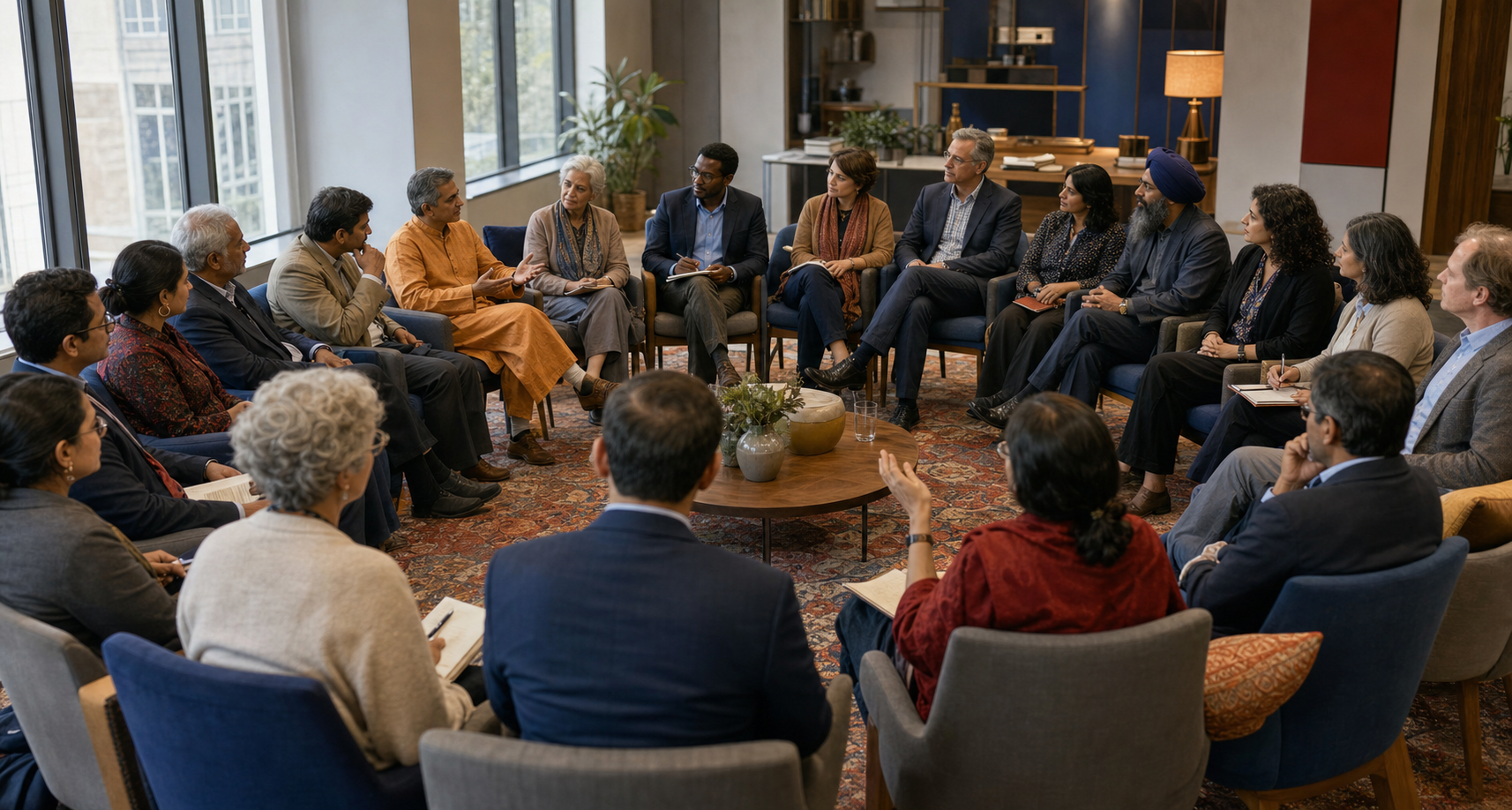
Urgent Heart Health Lessons for the Bharatiya Diaspora: Genetics, Culture and Prevention

Bharatiya and Girmit-descended diaspora communities face a serious pattern of premature heart disease, often appearing in people who seem young, slim or otherwise healthy. The ICC Thought Leaders’ Forum brought together cardiologists and researchers to examine genetics, family history, diabetes, central obesity, diet, stress and migration-related lifestyle change. The discussion shows why ordinary risk assumptions…
-
PM Research Chair Scheme: India’s Bold Bid to Bring Global Talent Home

The Prime Minister Research Chair Scheme 2026 is a major initiative to attract Indian-origin researchers and scientists working abroad into India’s premier institutions and national laboratories. It seeks to address brain drain through structured research roles, competitive funding, relocation support, and alignment with national priorities. The scheme is expected to support at least 120 researchers…
-
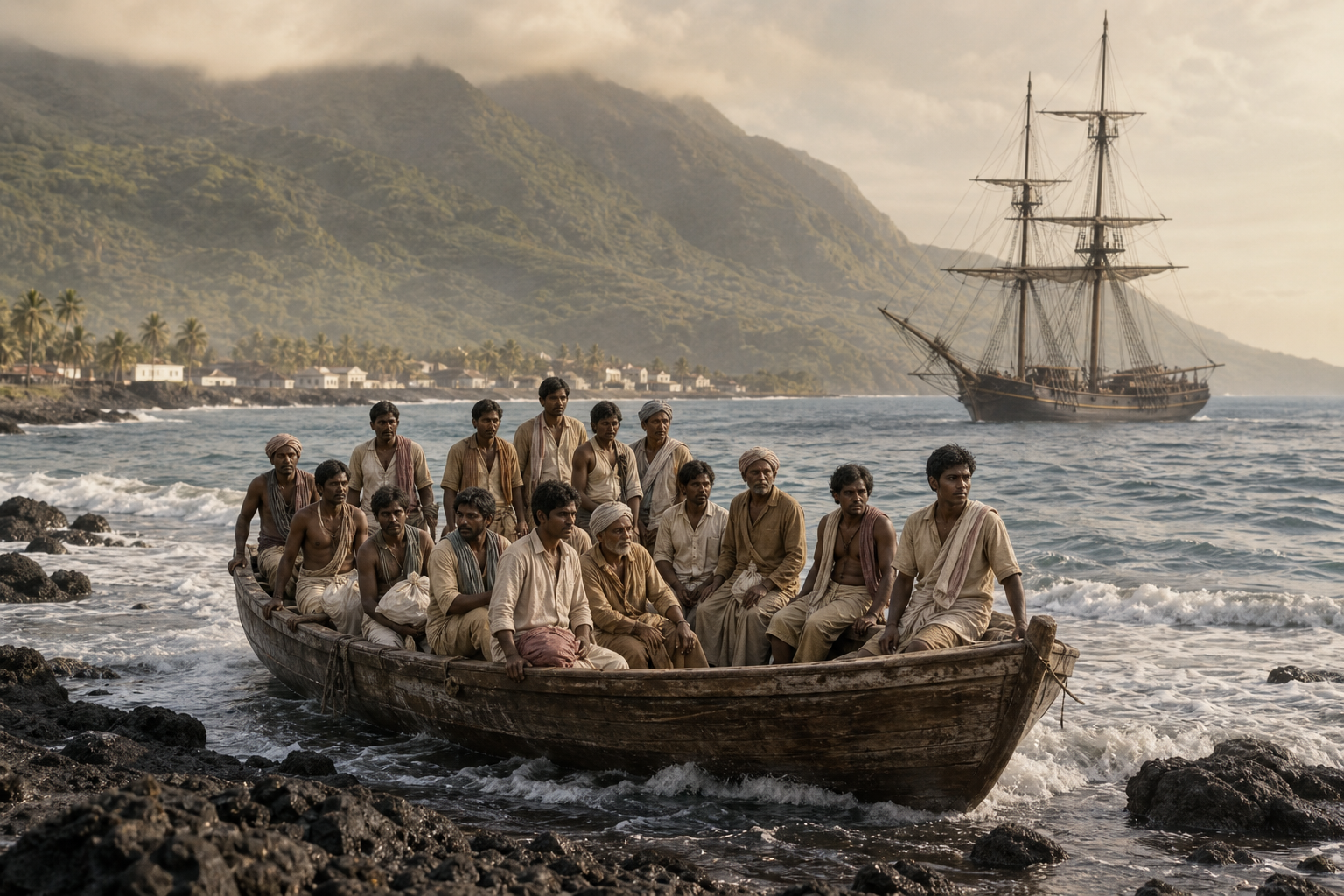
Girmitiya Resilience and the Urgent Test Facing Prosperous Hindu Americans

The Girmitiya experience offers a profound lesson in cultural preservation under extreme hardship. Indian indentured laborers in Fiji, Guyana, Trinidad, and other plantation societies carried Sanatan Dharma across the kala pani with few resources but extraordinary resilience. Their mandirs, festivals, songs, and household rituals became instruments of memory and survival. Today, Hindu Americans face a…
-
Why Dharma Studies Matter: Three Powerful Ways Scholarship Can Shape the Future

Dharma studies in mainstream universities matter because they help students of the Indian diaspora understand their inherited traditions with clarity and confidence. Academic courses on Hindu Dharma, the Bhagavad Gita, the Upanishads, and Dharmic traditions can turn cultural familiarity into informed knowledge. The creation of scholar-practitioners is equally important because public conversations about Hinduism need…
-
Namaste Yoga: Powerful Short Film Reclaims the Hindu Roots Behind Modern Yoga

Namaste Yoga examines how Hindu and Indian cultural identity can be misunderstood, repackaged, and taught back to children without its original meaning. The film follows Shiv, a 10-year-old boy who feels ashamed of being Indian and Hindu, and contrasts his discomfort with his sister Kali’s confident cultural pride. Through mandatory school yoga classes, Shiv begins…
-
Chaplain’s Stand Saves Hindu US Army Officer: Tilak Dispute Exposes Gaps in Religious Freedom

Second Lieutenant Harish Rao was reportedly removed from US Army training and threatened with deportation for wearing a tilak, a sacred Hindu symbol. A chaplain’s timely intervention established that the tilak posed no operational risk, secured religious accommodation, and restored Rao to training. He went on to excel, earning leadership citations and commissioning as an…
-
Unpacking CNN’s Anti-Indian Racism Story: Media Bias, Hinduphobia, and Dharmic Unity
This piece analyzes CNN’s coverage of anti-Indian racism in the U.S., recognizing why many in the diaspora felt seen while scrutinizing the story’s expert framing on Hinduphobia. It explains how minimizing or disputing Hinduphobia conflicts with documented evidence of anti-Hindu bias and religious stereotyping. The discussion situates CNN’s approach within a broader media-bias context, referencing…
-
The Sprawling Heritage of the Hindu Legal System in Bali and Java

The Hindu cultural conquest of Southeast Asia remains unique in history. Ancient Indian colonists brought civilization, art, religion, and legal systems, profoundly influencing Bali and Java. This post explores how these regions voluntarily embraced and modeled their societies after Hindu culture, highlighting Nehru’s betrayal of these ancient ties.