
Chaitra Navratri, also known as Vasant Navratri, occupies a distinctive place in the religious and cultural life of Kashmiri Pandits. It is not merely a nine-day period of worship dedicated to Goddess Durga and the many forms of Shakti; in the Kashmiri Hindu calendar, its first day is Navreh, the Kashmiri Hindu New Year. This gives the festival a layered meaning: it marks spiritual renewal, seasonal transition, family continuity, and the beginning of a new cycle of time.
In 2026, Chaitra Navratri was observed from Thursday, March 19, to Friday, March 27. The festival began with Chaitra Shukla Pratipada, the first day of the bright fortnight of the lunar month of Chaitra, and concluded with Ram Navami. Across Hindu traditions, this spring Navratri is associated with devotion to the Divine Feminine, disciplined fasting, ritual purity, mantra recitation, and the reaffirmation of dharma. Among Kashmiri Pandits, however, it also carries the emotional force of Navreh, a New Year observance tied deeply to memory, homeland, and identity.
Navreh as the Kashmiri Hindu New Year
The word Navreh is commonly understood as deriving from the Sanskrit idea of nava varsha, meaning new year. For Kashmiri Pandits, Navreh is celebrated on Chaitra Shukla Pratipada and signals the arrival of spring in Kashmir. In this sense, it parallels other New Year observances across India, such as Ugadi in parts of South India and Gudi Padwa in Maharashtra, while retaining its own Kashmiri ritual grammar and devotional emphasis.
The beginning of the year is not treated as a casual calendar change. It is ritually prepared, visually contemplated, and spiritually interpreted. The first act of the morning is traditionally shaped by what the family sees, touches, and remembers. This emphasis on auspicious sight, sacred objects, and mindful beginning reflects a broader Hindu principle: the opening moment of a cycle is powerful because it establishes orientation for what follows.
The Navreh Thaal and the Ritual of Auspicious Seeing
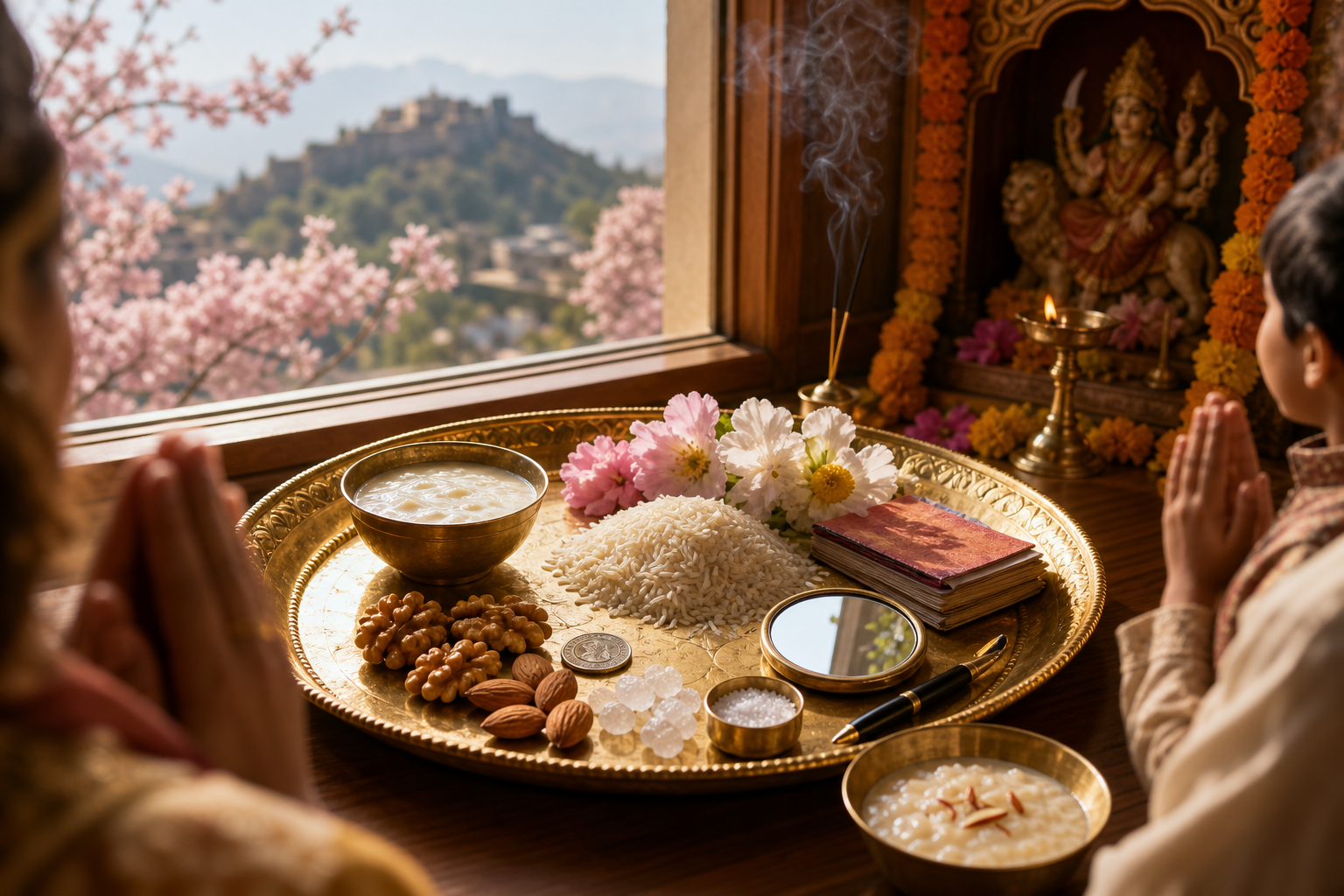
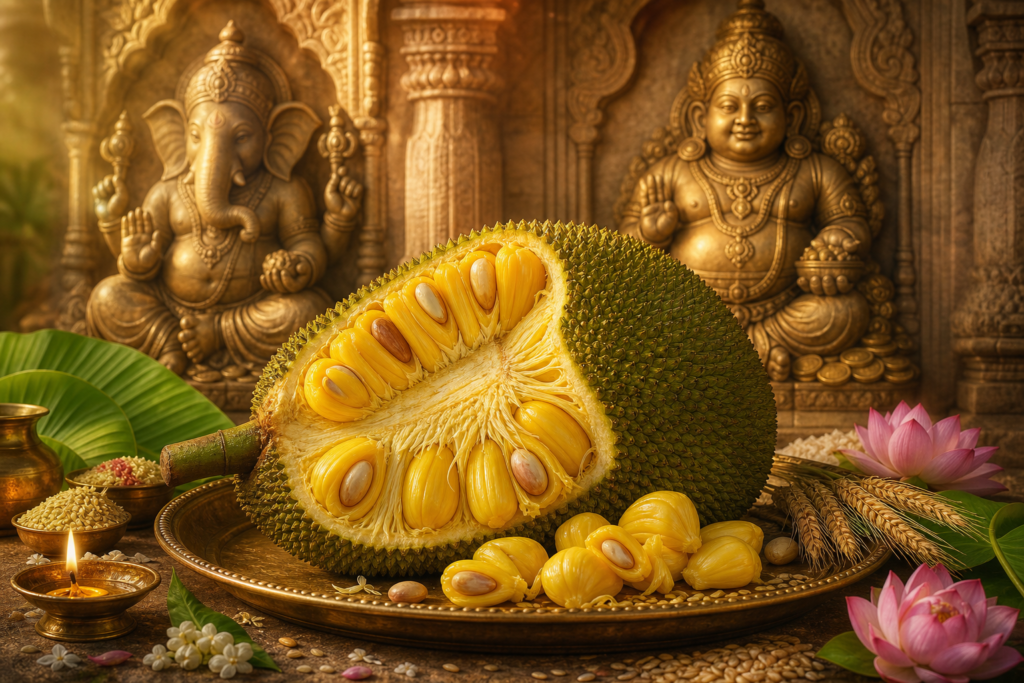
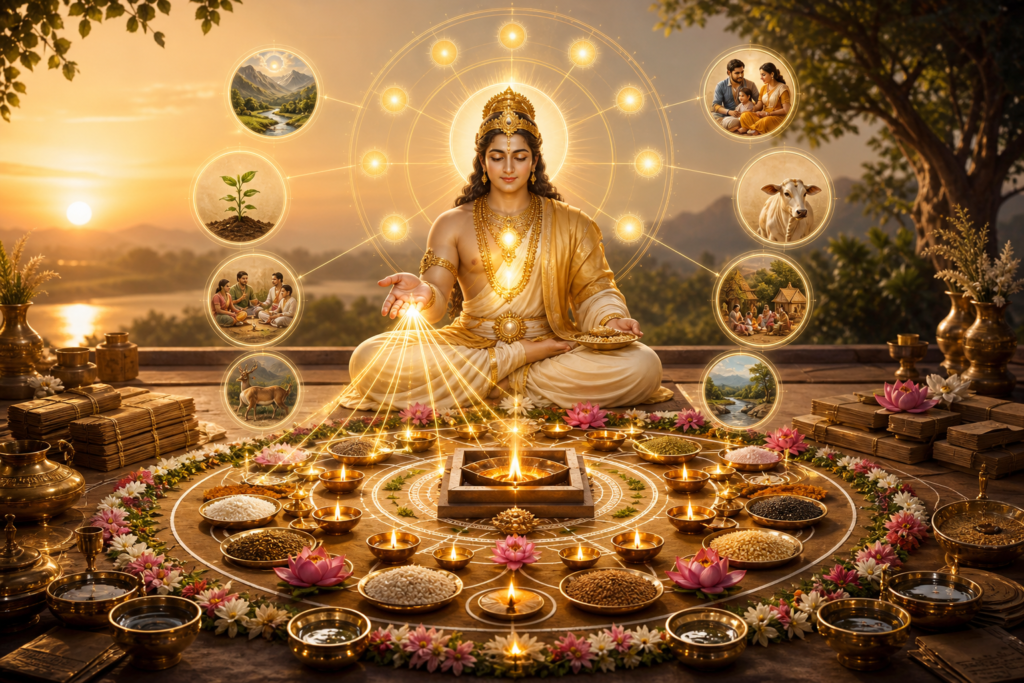
One of the most recognizable features of Navreh is the preparation of the thaal on the eve of the New Year. A large plate or platter is arranged with symbolic objects and kept ready to be seen first thing in the morning. Though family customs vary, the thaal often includes rice, bread, curd, salt, sugar candy, walnuts or almonds, a coin, a pen, a mirror, flowers, and the new panchang or almanac. In some households, additional ritual items such as fresh grass, sacred herbs, or a scroll connected with the family deity may also be included.
The symbolism is precise and deeply practical. Rice suggests nourishment and stability. Curd evokes purity, fertility, and auspiciousness. Salt represents preservation and essential taste. A coin points toward prosperity, while the pen suggests learning, record, and right action. The mirror invites self-reflection. The panchang links the household to cosmic time, tithi, nakshatra, planetary movement, and the disciplined rhythm of the Hindu calendar. The thaal therefore becomes a compact theology of daily life: food, knowledge, wealth, self-awareness, devotion, and time are gathered into one visual field.
For many Kashmiri Pandit families, especially those living away from the Valley, this morning glimpse of the thaal carries an emotional power beyond formal ritual. It becomes a way of re-entering Kashmir through memory. Even when geography has changed, the ritual preserves continuity. The home becomes a small sacred landscape, and the first sight of the New Year becomes a quiet act of cultural resilience.
Sharika Devi, Hari Parbat, and the Sacred Geography of Kashmir
Navreh is closely associated with devotion to Goddess Sharika, a form of Shakti revered by Kashmiri Pandits. Her sacred presence at Hari Parbat in Srinagar gives the festival a strong geographical and theological center. Traditional accounts connect the New Year with the first ray of the sun falling upon the sacred site of Chakreshwari, linking solar symbolism, Shakti worship, and the beginning of time-reckoning in the Kashmiri tradition.
Hari Parbat is not merely a hill or a historical location in this religious imagination. It functions as a sacred axis for Kashmiri Hindu memory. The association of Sharika Devi with this space makes Navreh a festival of return: return to the Goddess, return to the calendar, return to family tradition, and return to the civilizational memory of Kashmir as a seat of learning, tantra, philosophy, aesthetics, and devotion.
Chaitra Navratri as Vasant Navratri
Chaitra Navratri is also called Vasant Navratri because it takes place in the spring season. The term vasant is important because the festival is not only devotional but seasonal. It unfolds when nature itself appears to renew. Blossoms, fresh air, longer days, and agricultural rhythms all shape the atmosphere of the observance. In Kashmir, where seasonal change has always carried intense cultural meaning, this springtime setting adds tenderness and beauty to the worship of Devi.
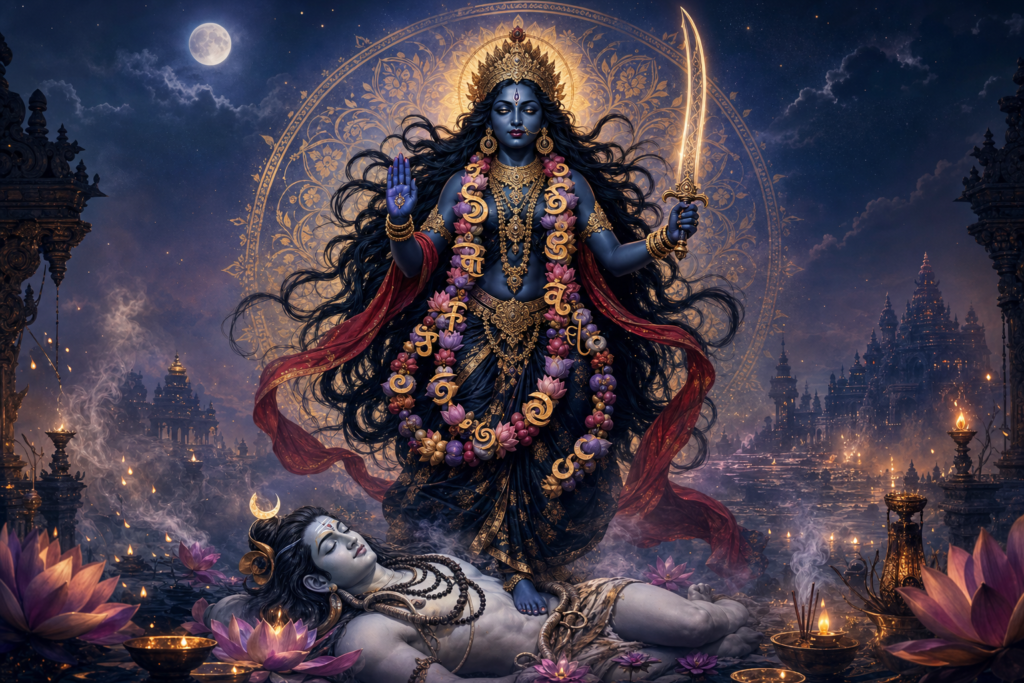
Across the nine days, devotees worship the nine forms of Goddess Durga, commonly known as Navadurga: Shailaputri, Brahmācharini, Chandraghanta, Kushmanda, Skandamaatha, Katyayani, Kalaratri, Mahagauri, and Siddhidatri. In Kashmiri Pandit practice, local Shakti traditions and regional temple customs enrich this broader pan-Hindu framework. The result is not a contradiction between regional and national forms of worship, but a living example of Hindu diversity within unity.
Fasting, Discipline, and Temple Worship
Fasting is an important part of Chaitra Navratri Puja. Many devotees observe fasts for all nine days, while others fast on selected days according to family tradition, health, age, and personal capacity. The purpose of fasting is not merely abstention from food. It is a discipline of attention. It reduces excess, sharpens devotion, and redirects energy toward japa, puja, scriptural listening, and self-control.
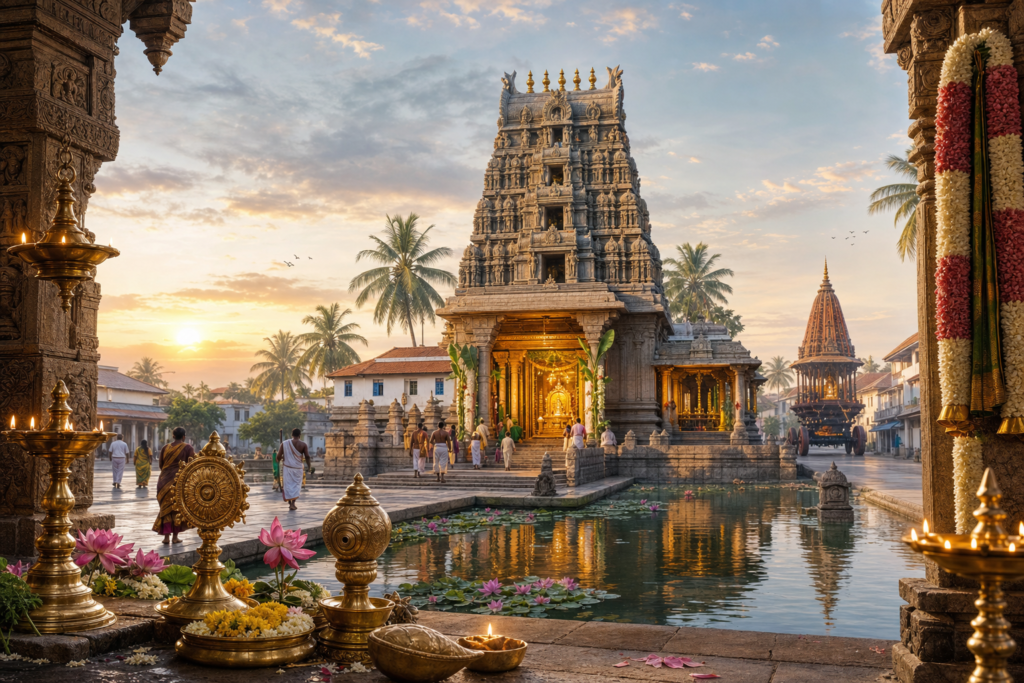
In Kashmiri Pandit communities, temple visits have traditionally formed an important part of the observance. The original source tradition highlights major Shakti centers such as Goddess Kheer Bhavani Temple and Vaishno Devi Temple, where Navratri is celebrated with great devotion. It also refers to worship at Durga Nag near Shankaracharya Hill, Shailputri Devi Mandir in Baramulla, Hari Parbat in Srinagar, and Bahu Fort in Jammu. These temples represent a sacred network in which Devi worship is linked with place, pilgrimage, and community gathering.
Havans are performed in many temples dedicated to Goddess Shakti. The fire ritual has a strong place in Hindu worship because it converts offering into sacred transmission. Ghee, grains, mantras, and intention are offered into agni, and the act becomes a disciplined form of collective prayer. During Navratri, such havans emphasize purification, protection, prosperity, and the invocation of Devi’s grace.
Kheer Bhavani, Vaishno Devi, and the Wider Shakti Tradition
The reference to Goddess Kheer Bhavani is especially significant for Kashmiri Pandits. The shrine at Tulmulla is dedicated to Ragnya Devi, widely revered as a protective mother goddess. The offering of kheer, a preparation of milk and rice, is central to her devotional identity. For many Kashmiri Hindus, Kheer Bhavani is not only a temple deity but a kuladevi-like presence, a guardian figure whose worship has shaped family memory for generations.
Vaishno Devi, located in the Trikuta hills of Jammu, represents another major center of Shakti devotion. During Chaitra Navratri and other Navratri periods, pilgrims visit the shrine in large numbers. The pilgrimage combines physical exertion, chanting, vows, and darshan. For Kashmiri Pandits and other devotees, such journeys affirm the living connection between body, landscape, and faith.
These Shakti centers also show how Hindu religious life is simultaneously local and expansive. A family may have a specific kuladevi, a regional temple, and a broader devotion to Durga, Lakshmi, Saraswati, or Vaishno Devi. This layered worship is not fragmentation. It is a sophisticated devotional ecology in which the Divine Feminine is approached through many names, forms, stories, and sacred places.
Dash Mahavidya, Ashtamatrika, and Kashmiri Shakta Depth
The original account notes that in some places Dash Mahavidya and Ashtamatrika forms of the Goddess are worshipped during Chaitra Navaratras. This detail is important because Kashmir has historically been a major center of Shakta and Tantric thought. The worship of the Divine Feminine in Kashmir cannot be reduced to popular festival observance alone; it also belongs to a highly developed philosophical and ritual world.
The Dash Mahavidya tradition presents ten great wisdom forms of the Goddess, each expressing a distinct aspect of ultimate reality, spiritual power, and transformative insight. The Ashtamatrika tradition invokes eight mother goddesses associated with protection, cosmic order, and the energies of the deities. Where these forms are ritually honored during Navratri, the festival becomes a bridge between household devotion and deeper Shakta theology.
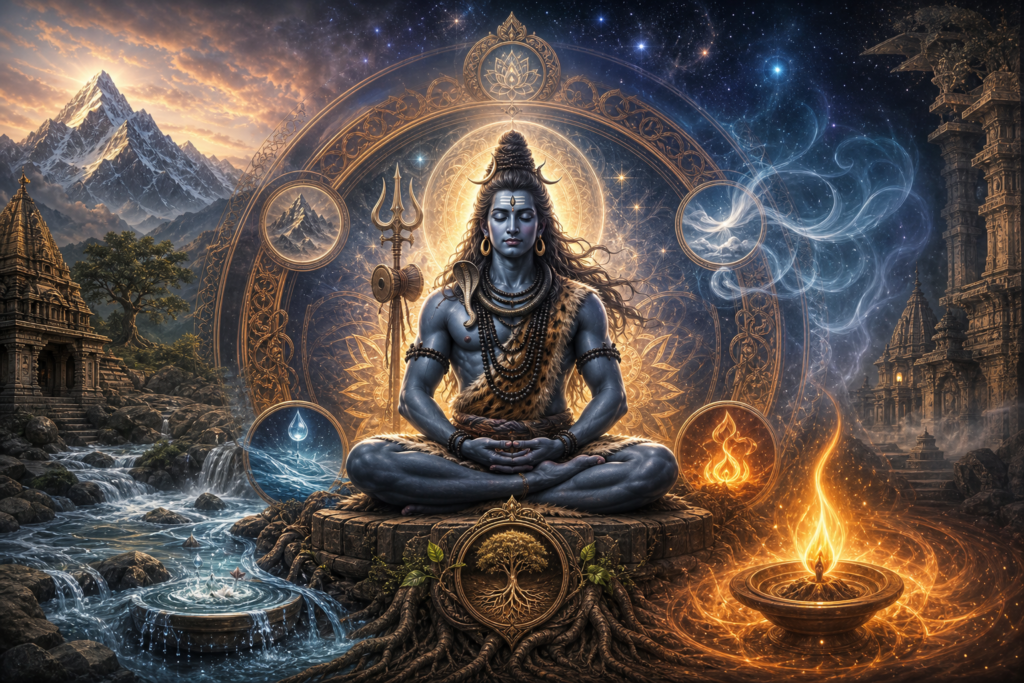
This also helps explain why Navratri remains intellectually rich as well as emotionally powerful. It is not only a festival of lamps, offerings, and fasting. It is a structured meditation on Shakti as the energy behind creation, preservation, dissolution, knowledge, courage, compassion, and liberation.
Ram Navami and the Completion of the Nine Days
Chaitra Navratri concludes with Ram Navami, the celebration of the birth of Lord Rama. This gives the festival another theological dimension. The worship of Devi over nine nights culminates in the remembrance of Rama, the embodiment of dharma, restraint, courage, and righteous kingship. In many Hindu communities, this is why Chaitra Navratri is also called Ram Navratri.
The pairing of Devi worship and Ram Navami demonstrates the integrated nature of Hindu tradition. Shakti and Rama are not isolated devotional worlds. The moral order represented by Rama and the cosmic power represented by Devi belong to a shared dharmic universe. For devotees, this integration offers a practical message: strength must be guided by righteousness, and righteousness must be supported by inner strength.
Food, Prasad, and Family Memory
Food traditions during Chaitra Navratri among Kashmiri Pandits vary by family and locality. Fasting foods, simple meals, fruits, milk-based preparations, and prasad offerings are common in many households. Some traditions also remember the preparation and distribution of roths, which have become important in Kashmiri Pandit religious life as symbols of auspiciousness and prosperity. Such offerings should be understood not merely as cuisine, but as edible memory: they carry the taste of family, ritual obligation, and inherited belonging.
The discipline of Navratri food also reflects a larger ethical pattern in Hindu practice. Food is never only biological intake. It is connected with guna, intention, purity, restraint, gratitude, and sharing. When prasad is prepared, offered, and distributed, the household participates in a cycle of sanctification. What is received from nature is returned to the Divine and then shared as grace.
Why Navreh Matters in the Kashmiri Pandit Diaspora
For Kashmiri Pandits living outside Kashmir, Navreh and Chaitra Navratri have become even more significant. Rituals that may once have belonged naturally to neighborhood temples, ancestral homes, and familiar landscapes now often take place in apartments, urban colonies, diaspora associations, and community halls. Yet the structure remains recognizable: the thaal is prepared, the panchang is consulted, Devi is remembered, elders bless the young, and the New Year begins with reverence.
This continuity shows how tradition adapts without losing its center. A ritual does not survive only because it is repeated mechanically. It survives because each generation discovers meaning in it. Children who wake to see the Navreh thaal may later understand that they were being introduced to a philosophy of beginnings: start the year with nourishment, learning, reflection, devotion, and gratitude.
There is also a quiet emotional dimension to the festival. For families whose memories are marked by displacement, Navreh can become a dignified act of cultural preservation. It avoids bitterness when practiced in its highest spirit and instead turns memory toward continuity, discipline, and shared dharmic inheritance. The ritual says, in effect, that a community remains alive when its calendar, language, food, temples, and prayers remain meaningful.
Unity Within Dharmic Traditions
Chaitra Navratri by Kashmiri Pandits also offers a broader lesson for dharmic traditions. Hinduism, Buddhism, Jainism, and Sikhism have distinct philosophies, histories, scriptures, and practices, yet they share civilizational respect for discipline, sacred time, ethical conduct, remembrance, pilgrimage, and inner transformation. A festival such as Navreh can therefore be appreciated not only as a Hindu observance but also as part of the wider dharmic concern for renewal, self-mastery, and continuity across generations.
The healthiest reading of such festivals is not competitive or exclusionary. It is integrative. Kashmiri Pandit Chaitra Navratri demonstrates how a specific community preserves its own inherited forms while contributing to the larger fabric of Indian spiritual culture. The particularity of Navreh strengthens, rather than weakens, the unity of dharmic civilization because unity does not require uniformity.
A Festival of Time, Shakti, and Cultural Resilience
At its deepest level, Chaitra Navratri in the Kashmiri Pandit tradition is a festival of alignment. The household aligns itself with the calendar through the panchang. The body aligns itself with discipline through fasting. The mind aligns itself with devotion through mantra and puja. The community aligns itself with memory through temple worship, family customs, and the celebration of Navreh. The individual aligns with Shakti by acknowledging that renewal requires both grace and effort.
This is why the festival remains powerful even in changing times. It speaks to the human need to begin again, but not casually. It teaches that a new year should begin with awareness, that prosperity should be joined with wisdom, that devotion should be joined with ethical life, and that cultural memory should be carried with dignity. For Kashmiri Pandits, Navreh and Vasant Navratri are not only annual observances; they are living bridges between Kashmir, Shakti worship, family inheritance, and the timeless search for dharma.
Inspired by this post on Hindu Pad.


Leave a Reply
You must be logged in to post a comment.