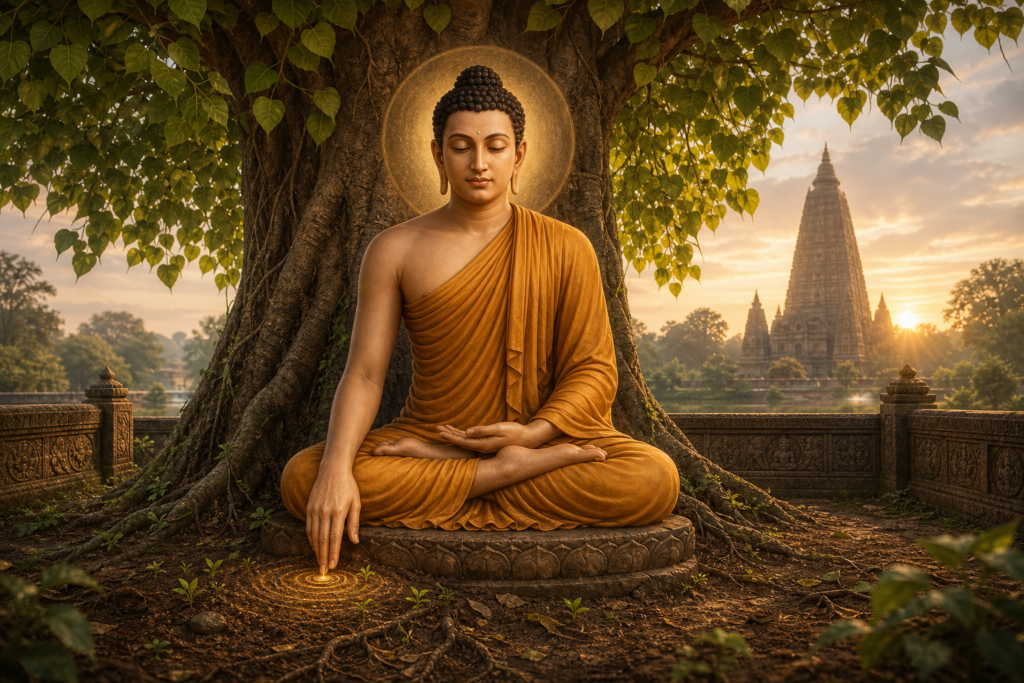
Vishu Phalam 2026–2027 presents an annual astrological overview for the period from 14 April 2026 to 14 April 2027, aligning with Mesha Sankranti and the solar new year observed as Vishu in Kerala. While rooted in Kerala’s Vishu Phalam and Nakshatra Phalam traditions, the framework resonates across dharmic new-year observances such as Puthandu in Tamil Nadu, Vaisakhi in Punjab, and Pohela Boishakh in Bengal, affirming a shared civilizational ethos. The guidance below synthesizes Rashi (Moon sign) and Nakshatra perspectives using the sidereal (Nirayana) zodiac and regional Panchang insights, offering an integrated, practical, and culturally unifying forecast.
The year corresponds to Parabhava Nama Samvatsaram in the 60-year cycle. Key transits shaping the collective mood and individual outcomes are as follows. Saturn (Shani) continues in Aquarius (Kumbha) throughout, urging social responsibility, systems thinking, and community building. Jupiter (Guru) completes its transit of Gemini (Mithuna) in early-mid July 2026 and then enters Cancer (Karka), where it becomes exalted (uccha), typically amplifying emotional intelligence, caregiving, education, housing, food systems, and the water economy. Rahu remains in Aquarius and Ketu in Leo (Simha) until roughly mid-to-late November 2026, after which Rahu moves to Capricorn (Makara) and Ketu to Cancer, subtly shifting karmic emphasis from experimentation in networks to consolidation through institutions and duty.
Methodologically, the forecast prioritizes slow-moving planetsSaturn, Jupiter, Rahu, and Ketugiven their durable influence on yearly trends. Monthly and daily outcomes still require local Panchang timing, especially when considering combustions, retrogrades, and grahana (eclipse) seasons. The year’s Aaya–Vyaya (income–expense) balance tends to favor those whose charts receive strong Jupiter aspects from Cancer after July 2026, while Saturn’s Aquarius anchor rewards patience, ethics, and disciplined collaboration. The guidance below is intended for reflection and informed action; personalized results vary with Lagna, Dasha–Bhukti, and specific house placements.
In the Aaya–Vyaya 2026–2027 context, Jupiter’s exaltation in Cancer often correlates with improved liquidity for individuals and sectors linked to nourishment, education, housing, maritime activity, and caregiving. Saturn in Aquarius typically stabilizes gains by rewarding compliance, transparency, and service to community. The Rahu shift toward Capricorn late in 2026 intensifies institutional review, regulatory changes, and engineering-centric initiatives. Those seeking precise monthly Aaya–Vyaya ratios should refer to a regional Panchang used in Kerala and neighboring regions; the macro-trend remains constructive wherever Jupiter’s Cancer transit supports the individual natal configuration.
Mesha (Aries): Saturn energizes the 11th house of gains, networks, and long-term goals, sustaining steady progress through associations and professional communities. From April to early July, Jupiter in Gemini supports learning, communication, and short travel; after Jupiter’s move to Cancer, the 4th house gains prominencehome, property, vehicles, education, and emotional stability see uplift. Until November, Rahu in Aquarius can bring unconventional alliances and social visibility; post-November, Rahu’s move to Capricorn brings a career pivot and public responsibilities. Financial momentum benefits from methodical planning, while domestic investments and upskilling pay dividends. Recommended remedies include Thursday-oriented sattvic charity, gratitude for teachers, and seva that strengthens local communities, reflecting shared dharmic values of service and harmony.
Vrishabha (Taurus): Saturn occupies the 10th house, intensifying accountability, leadership tests, and the need for structured workflows. Through early July, Jupiter in Gemini activates the 2nd house of family, speech, and finance, favoring income stability and sensible savings; post-July, Jupiter in Cancer strengthens the 3rd houseskills, communications, writing, and entrepreneurship. Rahu’s presence in the 10th until November heightens visibility and risk of reputational volatility; afterward, Rahu in the 9th turns attention to training, travel, and worldview refinement. Professional stature rises with consistent performance and ethical choices. Suitable remedies include modest Saturday service (e.g., supporting livelihood training), alignment with ahimsa, and respectful engagement with mentors and elders across traditions.
Mithuna (Gemini): Saturn traverses the 9th house, prompting disciplined learning, guided travel, and a thoughtful relationship with teachers and philosophies. Until early July, Jupiter in Gemini amplifies confidence, recognition, and health; after moving to Cancer, Jupiter fortifies the 2nd houseenhancing earnings, wise consumption, and family bonds. Rahu in the 9th until November invites experimental learning pathways; post-November, Rahu in the 8th emphasizes research, taxes, and shared resources, warranting prudent documentation. The year supports credentials, publications, and balanced expansion anchored in ethics. Remedies aligned with the year’s currents include supporting education funds, practicing mindful speech, and engaging in interfaith seva that fosters unity.
Karka (Cancer): Saturn’s 8th-house transit emphasizes resilience, risk management, and inner transformation; insurance, compliance, and health hygiene deserve attention. From April to early July, Jupiter in Gemini accentuates the 12th house, advising rest, retreats, and closure of unhelpful cycles; after July, Jupiter in Cancer powerfully uplifts vitality, self-belief, and leadership capacity. Rahu in Aquarius until November highlights deep change and legacy questions; later, Rahu’s move to Capricorn activates the 7th housepartnerships, contracts, and diplomacycalling for clarity and fairness. Financials strengthen after mid-year as confidence and decision quality improve. Remedial focus includes water conservation seva, compassionate caregiving, and simple japa or metta meditation to stabilize emotions.
Simha (Leo): Saturn in the 7th calms and restructures partnerships, emphasizing realistic expectations and equitable agreements. Until early July, Jupiter in Gemini activates 11th-house gains and community support; once in Cancer, Jupiter moves to the 12th, inviting contemplation, philanthropy, and careful expense management. Rahu in Aquarius across the 7th until November can bring unusual alliances; post-November, Rahu’s shift to the 6th improves capacity to handle competition, litigation, and discipline. Balancing ambition with empathy secures durable outcomes. Remedies include Surya-oriented mindfulness (e.g., Surya Namaskara), joint seva with partners, and small, regular donations to food or education programs.
Kanya (Virgo): Saturn in the 6th strengthens the ability to solve problems, improve workflows, and uphold ethical service standards. Until early July, Jupiter in Gemini invigorates the 10th housecareer recognition and project visibilitybefore bringing 11th-house gains and networking dividends from Cancer. Rahu in the 6th until November helps surmount obstacles; after November, Rahu in the 5th heightens creativity while advising caution in speculation. Structured health routines (sleep, digestion, posture) bring tangible benefits. Remedies include donating medicine or nutritious food, studying portions of dharmic texts weekly, and practicing kindness (daya) toward colleagues and staff.
Tula (Libra): Saturn in the 5th favors serious study, refined creativity, and mindful parenting or mentoring, though results may be gradual and high quality. Jupiter in Gemini brings 9th-house fortune until early July and then 10th-house advancement from Cancer, supporting promotions and policy-oriented work. Rahu in the 5th until November sparks novel ideas and romance; later, Rahu in the 4th may catalyze relocations, property repairs, or emotional resets. Well-timed risks in learning or publishing can be rewarding when grounded in ethics. Remedies include supporting students, honoring teachers, and engaging in community arts or scripture study that promotes inter-tradition respect.
Vrischika (Scorpio): Saturn’s 4th-house transit prioritizes home stability, property due diligence, and emotional boundaries; slow and steady improvements work best. Jupiter in Gemini in the 8th until early July favors research and debt restructuring; from Cancer, Jupiter lights the 9th house, opening doors for travel, higher learning, and dharma-aligned counsel. Rahu in the 4th through November may bring home or vehicle changes; after November, Rahu in the 3rd supports entrepreneurship, writing, and outreach. Risk moderation early in the year yields confident strides later. Remedies include supporting housing or shelter initiatives, gentle breathwork, and regular gratitude for caregivers and elders.
Dhanu (Sagittarius): Saturn in the 3rd promotes perseverance, communication discipline, and consistent skill-building. Jupiter in Gemini energizes the 7th house until early July, supporting alliances and client relations; thereafter, Jupiter in Cancer activates the 8th, encouraging prudent financial planning and shared-resource clarity. Rahu in the 3rd until November emboldens outreach; post-November, Rahu in the 2nd requests mindful speech and careful budgeting. A blend of courage and caution safeguards reputation and liquidity. Remedies include knowledge-sharing seva, donations for travelers or students, and regular contemplative practice to align action with values.
Makara (Capricorn): Saturn in the 2nd invites financial sobriety, long-term savings, and family duty; careful language and integrity are rewarded. Jupiter in Gemini traverses the 6th until early July, aiding service excellence and health routines; in Cancer, it strengthens the 7thfostering supportive partnerships, negotiation skill, and fair contracts. Rahu in the 2nd until November emphasizes clean accounting; afterward, Rahu in the 1st signals identity recalibration and bolder visibilitybest managed with humility and steadiness. Strategic collaboration is the year’s primary lever. Remedies include Thursday gratitude offerings, family-oriented seva, and alignment with satya in all financial dealings.
Kumbha (Aquarius): With Saturn in the 1st, responsibilities increase, identity matures, and leadership becomes service-centric. Jupiter in Gemini in the 5th through early July uplifts learning, pedagogy, and children’s welfare; from Cancer, Jupiter highlights the 6thdaily discipline, wellness, and ethical work culture. Rahu in Aquarius until November can induce restlessness or rapid experimentation; later, Rahu in the 12th prompts retreats, foreign travel, or institutional engagements. Measured routines and resilient networks underpin success. Remedies include Saturday seva for the vulnerable, collaborative community projects, and mindful breathing to regulate workload stress.
Meena (Pisces): Saturn in the 12th emphasizes rest hygiene, careful expense management, and inner clarity; remote or research-focused work may thrive. Jupiter in Gemini lights the 4th until early Julyhome, education, and emotional contentmentfollowed by an auspicious 5th-house transit in Cancer supporting creativity, academia, and children’s growth. Rahu in the 12th until November can bring foreign-travel opportunities or introspection; post-November, Rahu in the 11th enhances networks and gains, calling for ethical alliances. The year favors gradual expansion anchored in compassion. Remedies include mantra japa, water-conservation seva, and encouraging youth learning across diverse traditions.
Nakshatra Phalam highlights complement these Rashi themes. As Jupiter moves through Cancer in 2026–2027, natives of Punarvasu (Cancer pada), Pushya, and Ashlesha often experience supportive expansions in the houses these stars occupy in their chartsespecially in education, caregiving, housing, and nourishment. Saturn’s Aquarius transit spans Shatabhisha and Purva Bhadrapada domains during the year, rewarding honest audits of community roles and ideals while discouraging short-cuts. Until November 2026, Rahu’s emphasis on Aquarius sensitizes Shatabhisha natives to attention and novelty; after the node shift, Capricorn-linked nakshatras (Uttarashada, Shravana, early Dhanishta) invite practical responsibility and institutional diligence. Monthly Panchang tracking remains essential to calibrate remedies and muhurta.
Sectoral and professional implications mirror these transits. Jupiter exalted in Cancer favors health and nutrition, early childhood and maternal care, education, housing and real estate diligence, water management, maritime trade, hospitality, and food technologies. Saturn in Aquarius supports civic-tech, digital public infrastructure, standard-setting, renewable energy, and nonprofit or community enterprises. After Rahu shifts to Capricorn, heavy industries, engineering, logistics, and regulatory reform attract karmic attention; ethical compliance and rigorous documentation prove decisive for Aaya–Vyaya stability.
Muhurta and practical timing benefit from avoiding eclipse days, heavy combustions, and critical retrograde station dates when feasible. Property, vehicle, and home-improvement decisions are generally strengthened when Jupiter is direct in Cancer and Mercury is not combust or retrograde; similarly, Guru Pushya combinations (Pushya Nakshatra falling on a Thursday) are traditionally valued for auspicious beginnings, subject to local Panchang confirmation. As always, regional calendars (including Kerala’s Kollavarsham and Vakya/Drik computations) should guide precise timing.
Remedies and sadhana for Vishu Phalam 2026–2027 honor the unity of dharmic traditions. Seva (selfless service), dana (charity), and satya (truthfulness) steady Saturn’s lessons; Thursday prayers, study, or recitation (e.g., Vishnu Sahasranama) harmonize Jupiter’s abundance; mindfulness and metta from Buddhist practice, ahimsa and aparigraha from Jain dharma, and langar-style community feeding from Sikh tradition all nurture collective well-being. Simple, consistent actslighting a deepa with gratitude, supporting education or health initiatives, planting trees, conserving water, and practicing daily breath awarenessconvert planetary tides into constructive outcomes.
To read this Vishu Phalam effectively, begin with the Moon sign (Rashi) and birth Nakshatra, then layer the slow-planet transits described above. Use a trusted regional Panchang for monthly Aaya–Vyaya refinement, muhurta selection, and eclipse-season care. The spirit of Vishuseeing the world anew through the Vishu Kaniinvites clarity, compassion, and shared purpose. When the year’s insights are directed toward service, harmony, and learning, Parabhava Nama Samvatsaram becomes a threshold for both personal prosperity and societal good.
Inspired by this post on Hindu Pad.