Mahalaya is widely understood as a sacred dawn in the Hindu calendar that bridges two profound phases of spiritual observance. It marks the conclusion of Pitru Paksha, a fortnight of ancestral remembrance, and announces the beginning of Devi Paksha, the auspicious period welcoming Maa Durga’s homecoming. In Bengali cultural memory and practice, this transition is both solemn and celebratory—an ethical farewell to forebears followed by the joyous expectation of the Divine Mother’s arrival during Durga Puja.
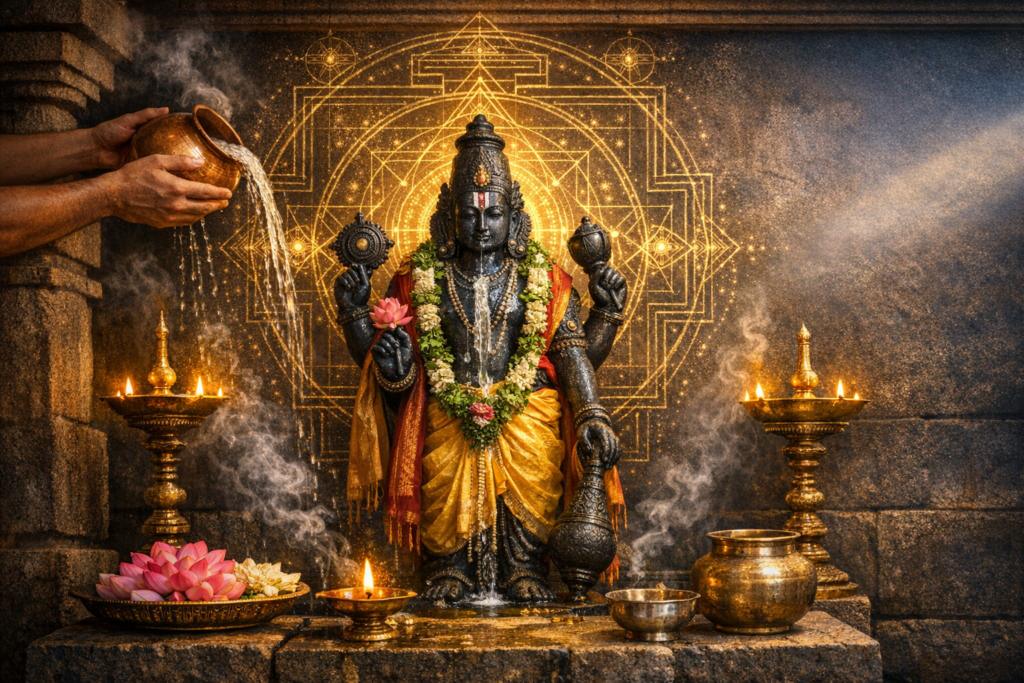
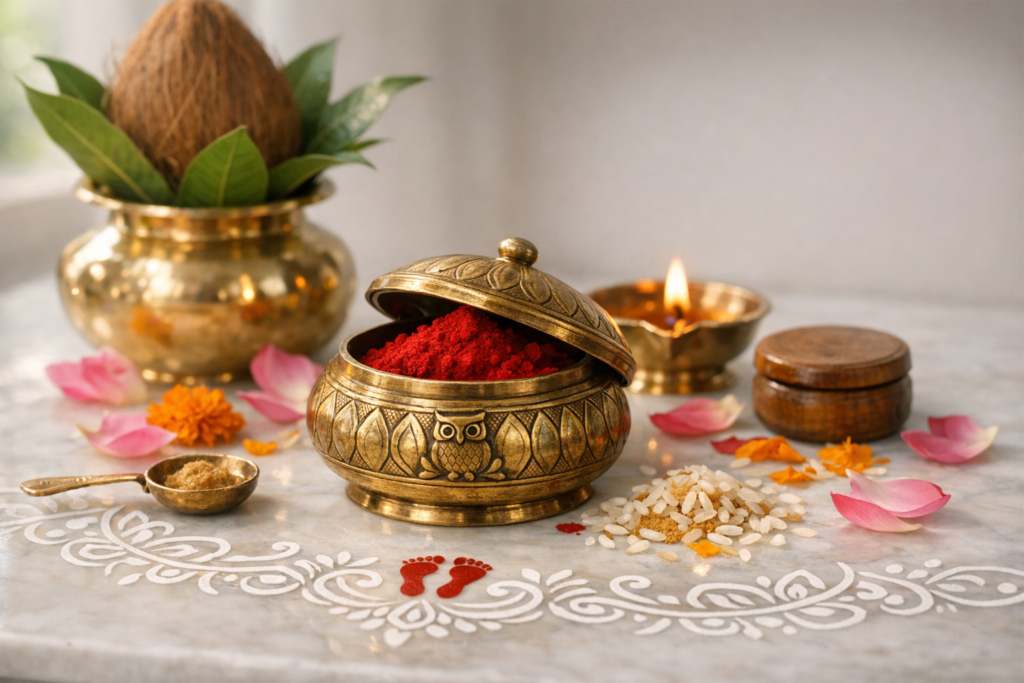
Pitru Paksha culminates on Sarvapitri Amavasya—also known as Mahalaya Amavasya—when families across India perform shraddha, including rites such as pind daan and tarpan. These acts of homage are believed to ensure peace for departed souls while invoking their blessings for the living. The ritual vocabulary is consistent: gratitude to ancestors, the continuity of lineage, and the recognition of an enduring moral debt across generations.
This observance reinforces a civilizational ethic—remembering one’s forebears sustains intergenerational bonds and collective well-being. In many households, the reflective mood of Pitru Paksha also becomes an occasion to discuss family histories, pass on values to younger members, and reaffirm duties that extend beyond the self. The result is a lived pedagogy: reverence becomes a form of education, aligning devotion with cultural heritage and social responsibility.
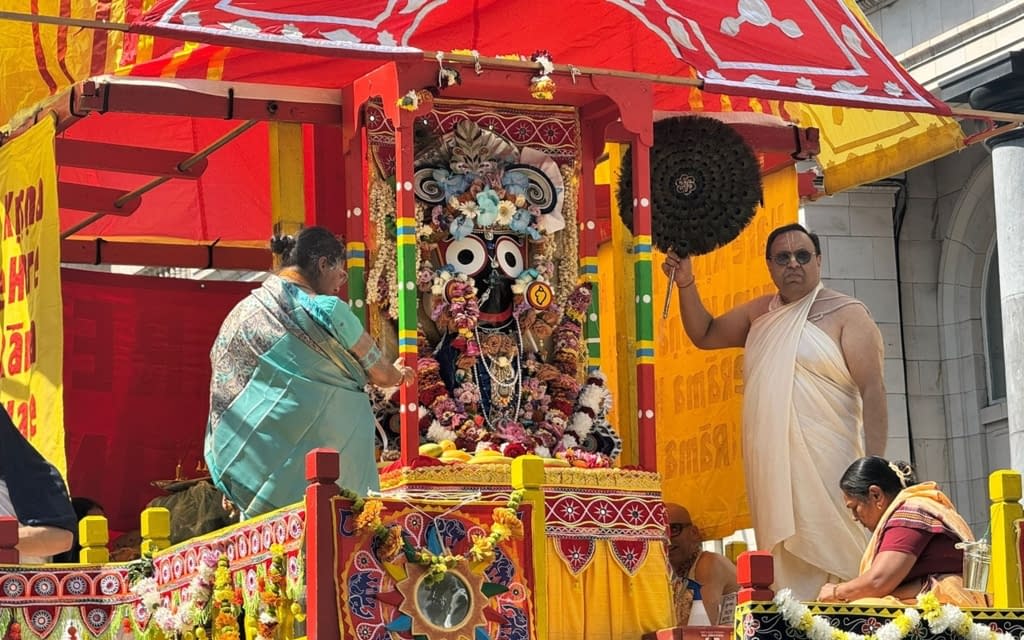
With the rites complete at daybreak on Mahalaya, anticipation unfolds as Devi Paksha begins. According to Bengali tradition, Maa Durga is believed to commence her journey from the Himalayas—where she resides with Bhagwan Shiva—to her maternal home on Earth. Accompanied by Ganesha, Kartikeya, Lakshmi, and Saraswati, this homecoming reorients the collective mood from austerity to festival. The week that follows builds toward Durga Puja, when artistic excellence, communal participation, and devotional intensity converge.
Mahalaya also coincides with Chokku Daan, the ritual of painting the eyes of Maa Durga’s murti. Until this moment, the murti is considered incomplete. The artist’s final brushstroke invites the divine presence into form, symbolically animating the icon and signaling that the community is ready to receive Maa with devotion and dignity. For many artisans and devotees alike, this is a moment of quiet awe—where craft, faith, and tradition meet.
One of the most cherished cultural practices on Mahalaya is the predawn broadcast of Mahisasura Mardini. Around 4:00 AM, households across Bengal and the global diaspora awaken to a 90-minute medley of Sanskrit chants from the Devi Mahatmya (Chandi Paath), Bengali devotional songs, and a stirring narrative of Maa Durga’s victory over Mahishasura. First broadcast in 1931 on All India Radio—originally on Shashti, when Durga Puja celebrations commence in earnest—the program became an annual touchstone performed live for decades before a recorded version took hold in 1966.
The broadcast follows a clear structure: opening invocations, narrative segments detailing Durga’s emergence from the combined powers of the devas, interwoven hymns, and a crescendo culminating in the triumph over Mahishasura. The legendary voice of Birendra Krishna Bhadra—revered for a deep, measured baritone capable of moving from contemplative cadence to martial vigor—anchors the experience. His intonation of “Jaago Tumi Jaago” has become synonymous with the morning of Mahalaya, yet the piece endures as ensemble artistry, uniting narration, music, and scripture in a single devotional arc.
Across Kolkata, San Francisco, Toronto, and beyond, families rise before sunrise to listen via radio, television, or online streams. After offering tarpan at first light, many transition to welcoming Maa Durga with prayers and preparations for Durga Puja. This rhythm of remembrance and renewal is integral to Bengali traditions and exemplifies how Hindu festivals sustain cultural identity across geography and time.
Although Mahalaya is rooted in Hindu practice, its underlying themes—gratitude to ancestors, ethical renewal, compassion, and community—resonate across dharmic traditions, including Buddhism, Jainism, and Sikhism. The shared values of remembrance, restraint, service, and reverence for life foster unity within the broader dharmic family while honoring the diversity of paths and practices. In this way, Mahalaya illuminates a harmonizing vision: distinct rituals, common virtues.
Shubho Mahalaya!
Inspired by this post on CoHNA.