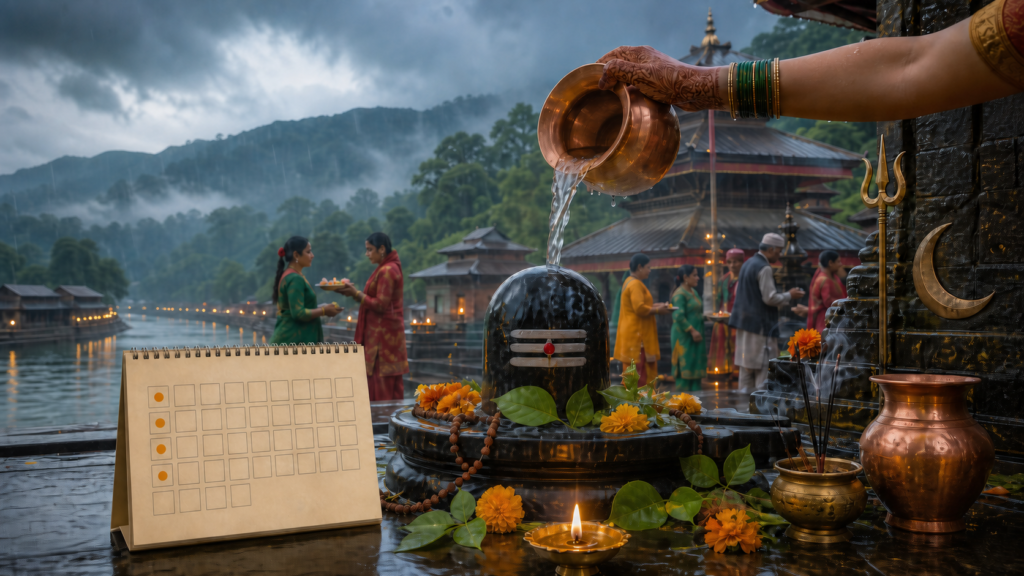
Samarth Ramdas Swami Jayanti in 2026 will be observed on March 26, coinciding with Sri Ram Navami, the Chaitra Maas Shukla Paksha Navami tithi. Because this festival follows the lunisolar Hindu calendar, the precise observance may vary by region and time zone; consulting a trusted Panchang ensures accuracy for local sunrise, tithi transitions, and the Sri Rama Madhyahna puja window.
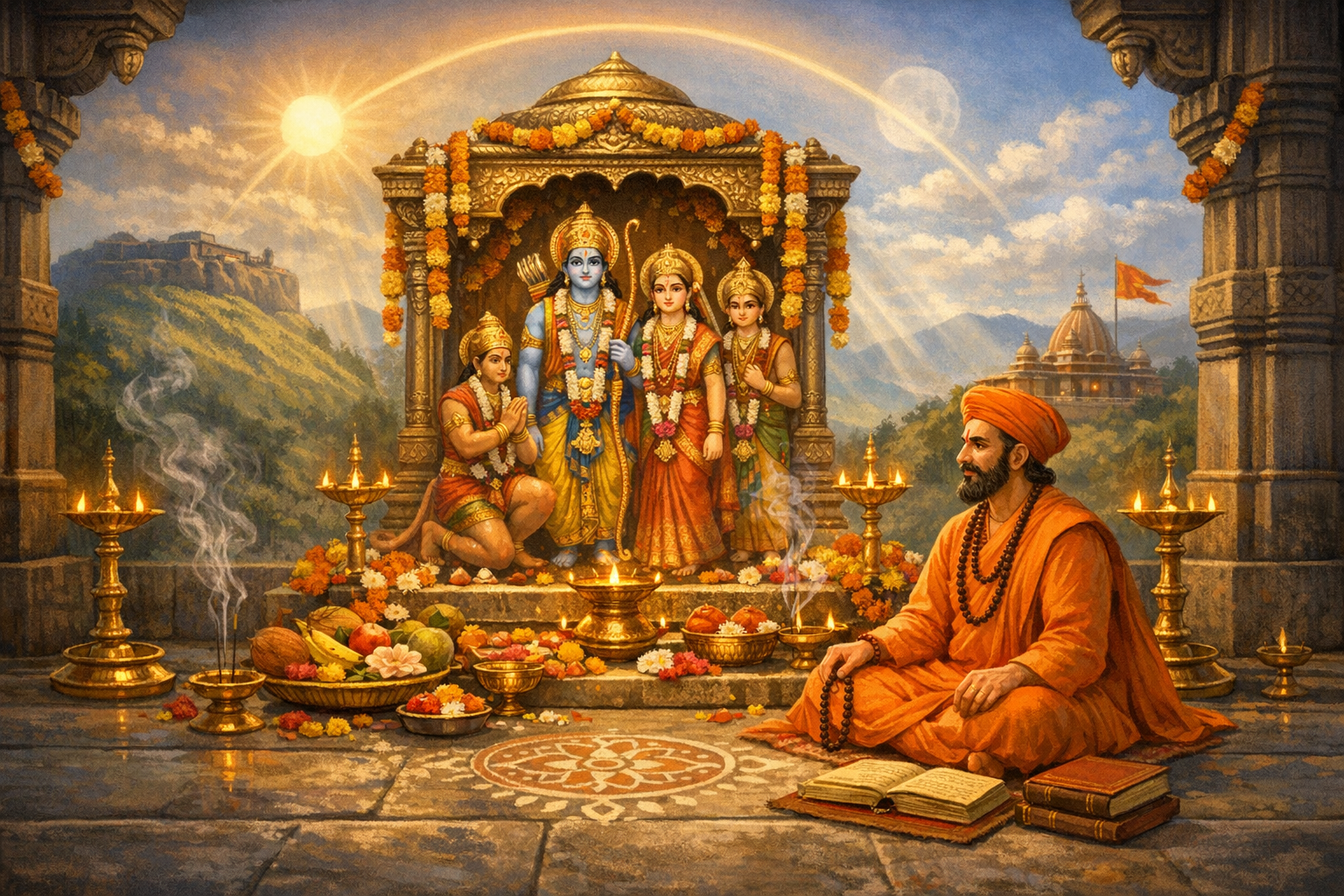
The Jayanti falls on Sri Ram Navami because traditional sources hold that Samarth Ramdas Swamirevered as the Guru of Chhatrapati Shivaji Maharajwas born on this sacred day dedicated to Lord Rama. His lifelong devotion to Sri Rama and Hanuman (Maruti) shaped a distinctive synthesis: inward-focused bhakti and outward-facing kshatra (courageous, ethical action). This synthesis remains the spiritual hallmark of the observance and a key reason why the commemoration naturally aligns with Ram Navami.
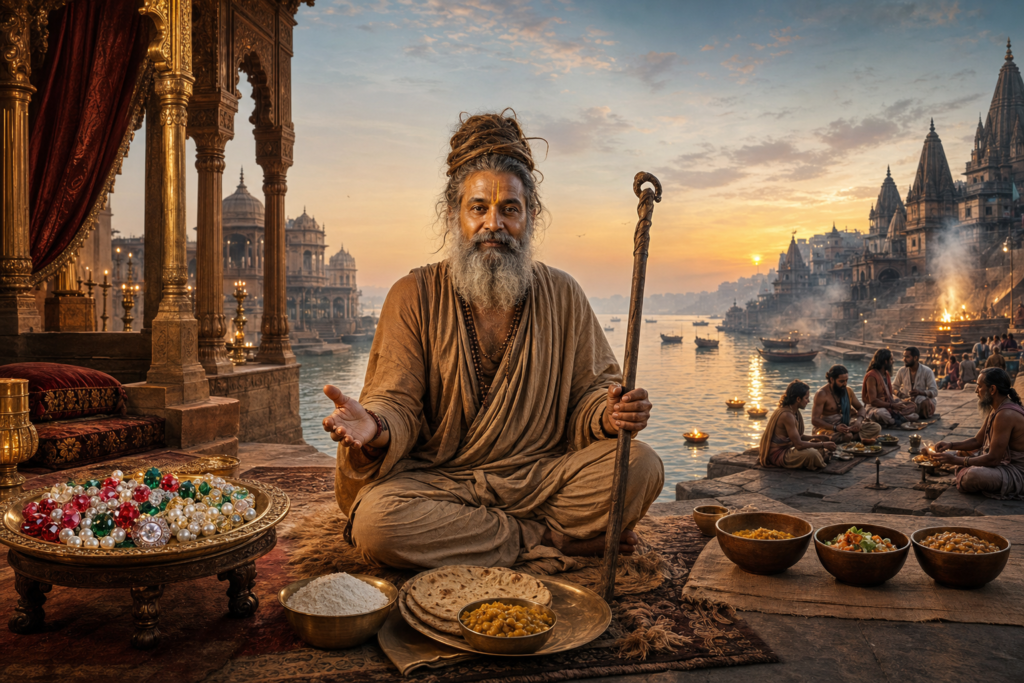
Historically, Samarth Ramdas (c. 1608–1681 CE) is associated with Jamb (in present-day Maharashtra) and is often identified in Marathi hagiographies as Narayan Suryaji Thosar before embracing a life of sadhana and public guidance. Accounts describe extended tapas near Nashik’s Panchavati-Trimabakeshwar region, an early and intense Rama-bhakti, and a tireless mission to shape individual character and collective strength. His teachings cultivated disciplined devotion (bhakti), discernment (viveka), dispassion (vairagya), and service (seva) as inseparable facets of dharmic life.
In the political and cultural milieu of 17th-century Maharashtra, Samarth Ramdas is remembered for imparting moral counsel that emphasized rajadharmajust governance anchored in ethics and restraint. Traditional narratives present his guidance to Chhatrapati Shivaji Maharaj as exemplary of the bhakti movement’s engagement with worldly responsibility. Set against the rise of the Maratha Empire, this guidance helped harmonize spiritual aspiration with statecraft, valor, and community welfare without compromising the primacy of dharma.
Textually, his two most influential worksDasbodh and Manache Shlokcontinue to frame the Jayanti’s spiritual practice. Dasbodh, composed in lucid Marathi ovi metre, blends atma-jnana (self-knowledge) with practical wisdom on duty, leadership, commerce, friendship, social order, and liberation. Traditional enumerations commonly present the text as organized into multiple structured sections (often cited as twenty dashakas), each consisting of thematically arranged ovis; editions vary in how they count and group material, but the pedagogical aim is consistent: clarity in thought, courage in action, and compassion in conduct.
Manache Shlokbeloved across generationsaddresses the mind directly in approximately 205 ovis, urging it to cultivate steadfastness, humility, vigilance, and unwavering remembrance of Sri Ram. For many households, Ram Navami and Samarth Ramdas Jayanti are marked by the collective recitation of Manache Shlok, the reading of selected chapters from Dasbodh, and japa of the taraka mantra “Sri Ram Jai Ram Jai Jai Ram.” These practices anchor the day in both reflective interiority and tangible transformation of habits.
Institutionally, Samarth Ramdas advanced Rama- and Maruti-centered worship by encouraging a culture of physical discipline alongside contemplative devotion. He inspired the establishment of numerous Hanuman (Maruti) temples across Maharashtrapopularly counted as a set of 11 or 12signifying the ideal of strength yoked to service. The sacred geographies of Sajjangad (near Satara), where his samadhi is venerated, and Chaphal, known for a temple to Sri Rama, are central to Jayanti pilgrimages and communal observances.
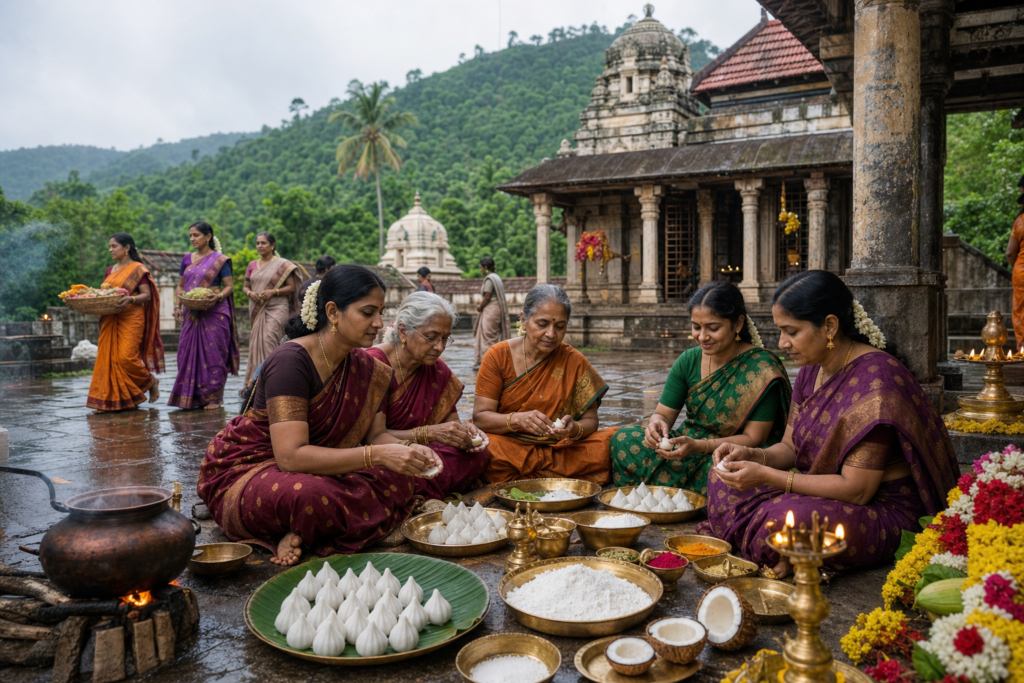
Observance in 2026, as in every year, centers on Sri Rama’s Madhyahna puja during Chaitra Maas Shukla Paksha Navami. Devotees commonly undertake upavasa or phalahara (fast or fruit-only intake), recite Manache Shlok, read selections from Dasbodh, perform Sri Rama archana with offerings of flowers and naivedya, and honor Hanuman with evening aarti. The day’s ethos balances tapas (disciplined restraint) and seva (service), with many communities organizing food distribution, blood donation drives, or educational sessions on the practical ethics distilled in Dasbodh.
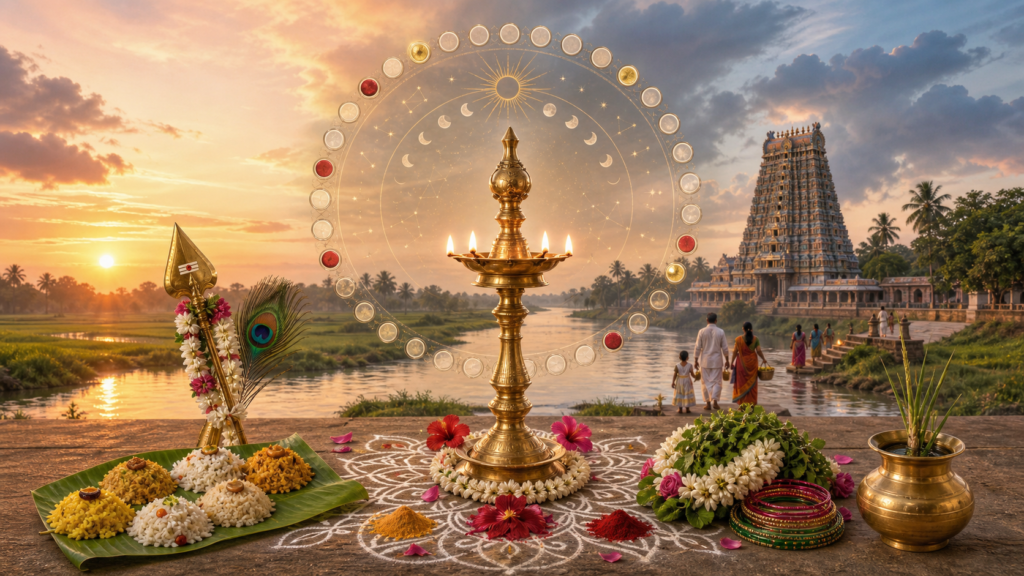
Technically, the tithi system that fixes Ram Navamiand thus this Jayantiderives from the angular separation between the Sun and Moon. Each tithi spans a 12-degree increase in lunar elongation; Navami is the ninth tithi of the bright fortnight (Shukla Paksha). The observance follows tithi, not the civil (midnight-to-midnight) date, and therefore can shift relative to the Gregorian calendar. Furthermore, the amanta (South Indian) and purnimanta (North Indian) month traditions label months differently yet converge for festival dates; local Panchang guidance resolves such regional nuances with precision.
For Ram Navami in 2026, the consensus of major Panchang computations places Chaitra Shukla Navami on March 26 for much of India; diaspora communities should verify the tithi span and Sri Rama Madhyahna interval for their latitude and longitude. A common practice is to begin the day at brahma-muhurta with a bath, light a deepa before Sri Rama and Sita, chant Rama-nama, and reserve the heart of the day’s worship for the Madhyahna puja, followed by charitable acts and a family parayana of Manache Shlok.
At Sajjangadthe spiritual heartland of the Samarth traditionJayanti brings palpable reverence. The steady cadence of Dasbodh parayana, the quiet ascent of steps toward the samadhi, and the community’s shared silence at aarti create a sense of interior stillness and collective uplift. In Chaphal, kirtans and Rama-bhajans accentuate Ram Navami’s joy, while discourse on Manache Shlok and Dasbodh connects inspiration with daily responsibility. For many devotees, these experiences become yearly touchstones that renew purpose and compassion.
The cultural significance of Samarth Ramdas Swami Jayanti extends beyond regional identity. Its core themesinner clarity, ethical strength, humility in success, resilience in adversity, and unwavering sevaspeak to universal dharmic values. This is a moment when the spirit of bhakti and service naturally resonates across the broader dharmic family: with the Sikh tradition’s emphasis on seva and courage, the Jain commitment to disciplined self-mastery and aparigraha, and the Buddhist cultivation of mindfulness and vīrya (diligent effort). Such convergences illuminate a shared civilizational ethic that honors many paths while affirming unity in purpose.
For those planning a pilgrimage in 2026, respectful visitation to Sajjangad (near Satara) and the Rama temple at Chaphal offers a meaningful immersion. Carrying water, maintaining quietude in sanctums, supporting local service initiatives, and ensuring waste-free visits reflect the very disciplines that Samarth Ramdas taught. Those observing at home can create a simple shrine for Sri Rama and Hanuman, schedule parayana of Manache Shlok and Dasbodh across the day, and close with a family reflection on how the teachings can guide choices in work, relationships, and community life.
In summary, Samarth Ramdas Swami Jayanti 2026observed on March 26 alongside Ram Navamiinvites a rigorous yet compassionate sadhana: remember Sri Ram with love, train the mind with care, engage society with courage, and root every action in dharma. The day’s practices, texts, and sacred geographies together form a living pedagogy for ethical leadership and inner freedom. For devotees and students of the bhakti movement alike, this is a definitive occasion to study Dasbodh, internalize Manache Shlok, and embody the fusion of shakti and bhakti that shaped the Maratha era and continues to inspire a unified, dharmic future.
Inspired by this post on Hindu Pad.