Sharabha Jayanti, also revered as Sharabheshwara Swamy Jayanti, in 2026 falls on 1 May, coinciding with Vaishakh Purnima in the traditional Hindu calendar. The observance commemorates the first appearance, or avirbhava, of Lord Sharabha, a protective, pacifying manifestation associated with Shiva that symbolizes the stabilization of fierce forces and their redirection toward benevolent protection.
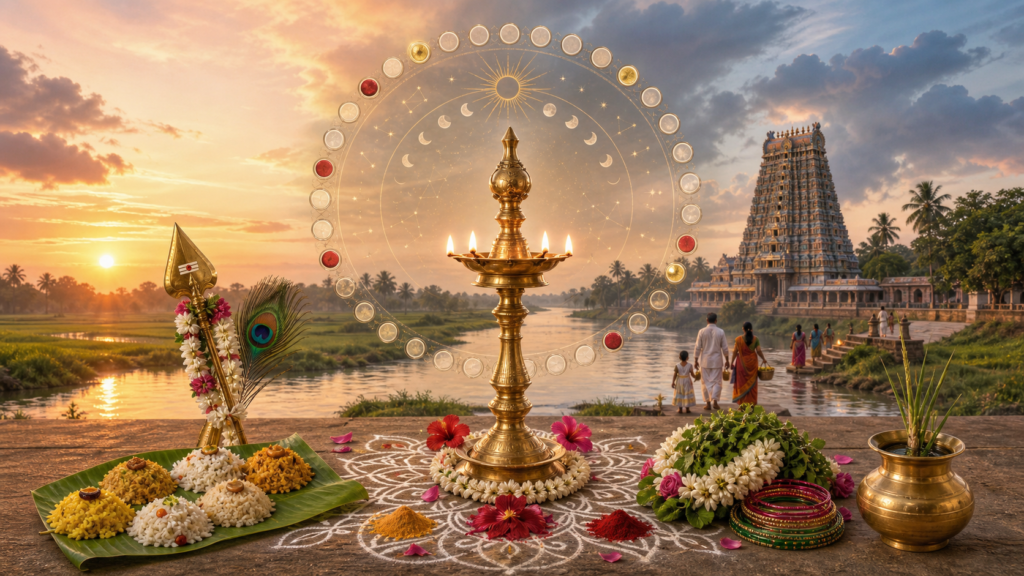
Across regional calendars, the same full-moon tithi is referenced in different ways. While the day is designated by Vaishakh Purnima in the lunisolar Hindu reckoning, many almanacs contextualize the observance relative to solar months. In Tamil usage this season sits near the Chithirai–Vaigasi transition, and in Malayalam near the Medam–Edava transition. Because Vaigasi Masam and Edava Masam are sidereal solar months that typically begin in mid-May, some panchangs may index the 1 May 2026 full moon under Chithirai or Medam locally; communities are therefore advised to verify the nomenclature and timings in their regional panchang.
As with all Purnima-based festivals, practical observance depends on the local start and end of the tithi with respect to sunrise and moonrise. Diaspora communities and temples outside India are encouraged to consult an authoritative regional panchang to confirm abhishekam schedules, home puja windows, and whether any observances extend into the previous or following civil day due to time-zone differences.
Within Shaiva traditions and later Puranic and Agamic narratives, Sharabha (also rendered Sarabha, Sarabeswara, or Sharabheshwara) embodies Shiva’s capacity to pacify unbridled momentum and restore cosmic balance. Iconographically, Sharabha is portrayed as a composite, winged, leonine protector, an image that encodes the transmutation of instinct into insight and of raw courage into compassionate guardianship. These depictions, found especially in South Indian temple art, serve as theological meditations on transforming fierce energy into a force for preservation and welfare.
Dharmic commentaries emphasize that this motif is not a sectarian contest among deities but a contemplative teaching about converting wrath into wisdom. Read through this unifying lens, Sharabha Jayanti affirms unity-in-diversity across Hinduism’s many sampradayas and resonates with the broader Indic ethos that diverse spiritual paths converge in dharma, karuna, and shanti.
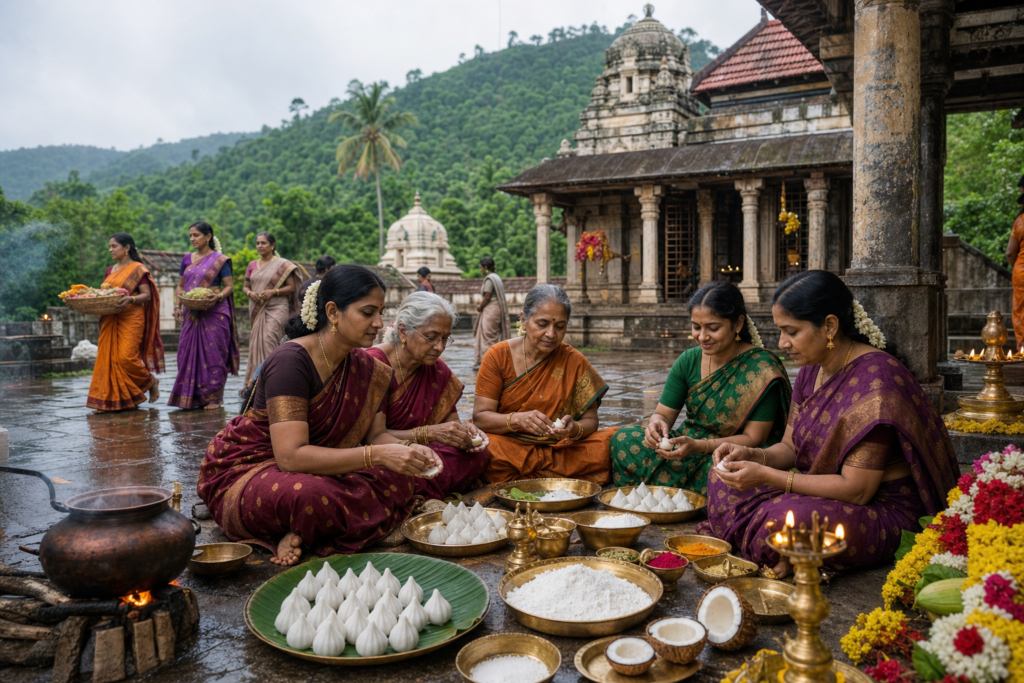
Sharabha Jayanti 2026 is commonly observed through Shiva archana and abhishekam, the offering of bilva-patra, and japa of the Panchakshari mantra Om Namah Shivaya. Many households and temples incorporate recitations such as Shiva Sahasranama or Lingashtakam, undertake upavasa according to capacity, and conclude with dana or annadana as expressions of seva. The devotional arc of the day moves from inner restraint to outward benevolence, mirroring the festival’s central symbolism.
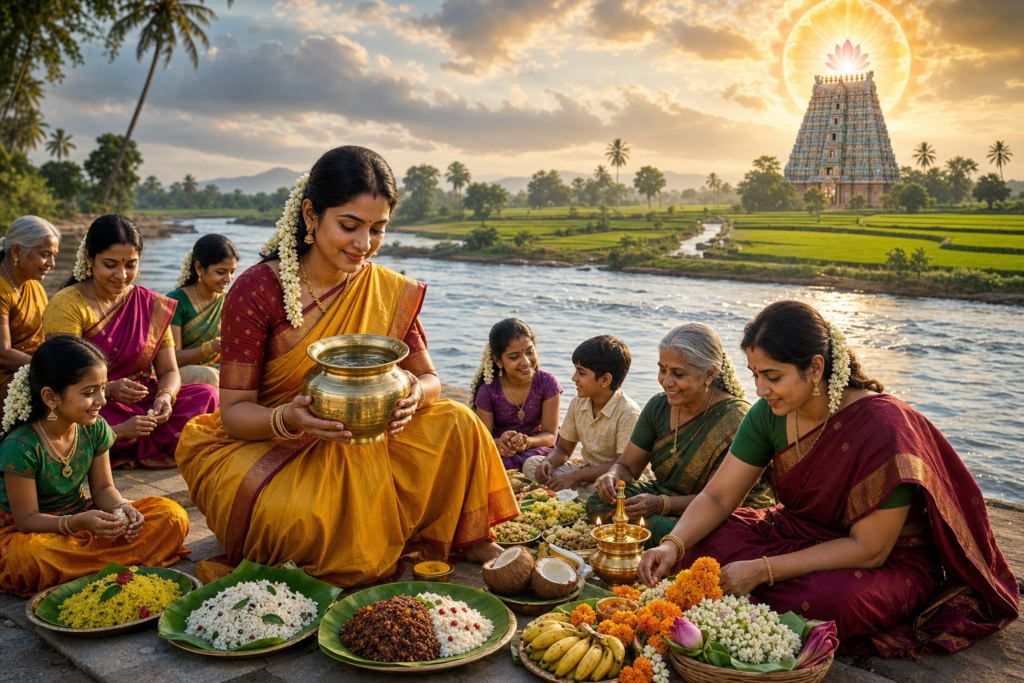
A simple home observance can be structured around a sunrise sankalpa, lighting of a deepa, offering of flowers and satvik naivedya, and meditative contemplation on the ideal of transforming krodha into daya. Families often close with a collective shanti-prarthana for all beings, aligning personal practice with lokasangraha, the welfare of society. In many households, the quiet act of gathering for aarti and sharing prasada fosters a sense of protective togetherness that is deeply identified with Sharabheshwara Swamy Jayanti.
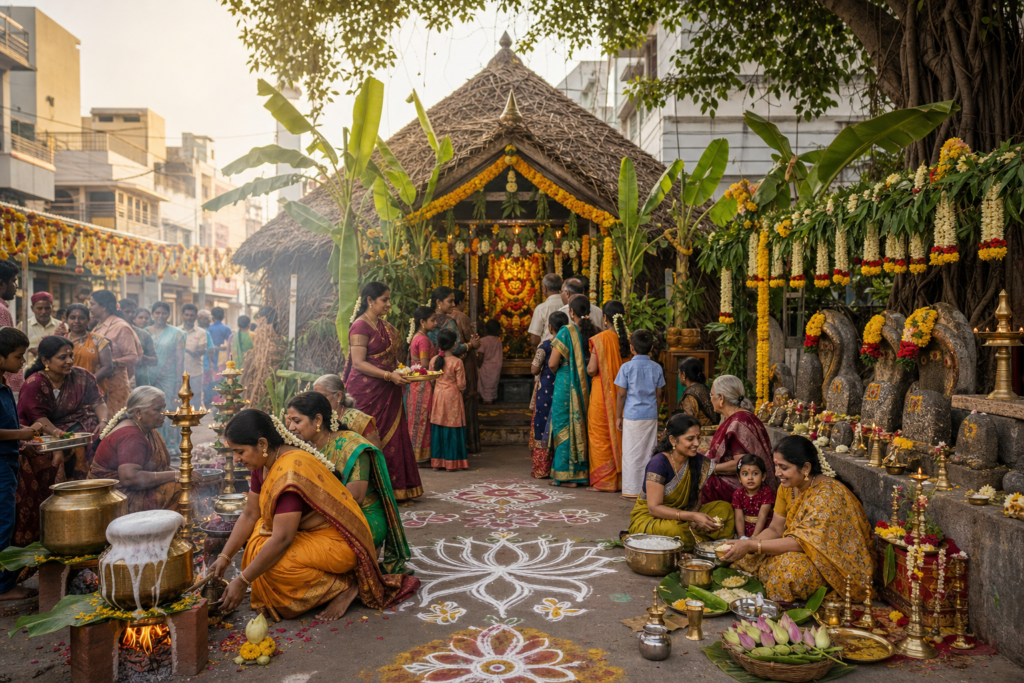
Sharabha iconography is especially visible in parts of South India. A notable example is the Sarabeswarar shrine at the Kampaheswarar Temple in Tribhuvanam near Kumbakonam, and related Chola-era sites across the Kaveri delta where Sarabha reliefs underscore the deity’s protective role in Shaiva temple art. On Vaishakh Purnima, Shiva temples across Tamil Nadu, Andhra Pradesh, Karnataka, and Kerala customarily schedule special homas, alankarams, and deepa-aradhana to honor this protective current of grace.
From a calendrical standpoint, Vaishakh Purnima is a lunar full moon identifiable when the geocentric ecliptic longitudes of the Moon and the Sun differ by approximately 180 degrees. Month naming conventions differ regionally, with Purnimanta traditions counting months from full moon to full moon and Amanta traditions from new moon to new moon. Tamil and Malayalam calendars are solar and name months by the Sun’s sidereal ingress, which explains why a single lunar date like Vaishakh Purnima can be referenced alongside different solar-month names across regions.
Beyond calendrical nuance, the spiritual theme of Sharabha Jayanti harmonizes naturally with pan-dharmic values cherished across the Indic family of traditions. The inner discipline of transmuting afflictive emotions into compassion aligns with Buddhist contemplative frameworks; the refinement of impulse into harmlessness echoes the Jain vow of ahimsa; and the blend of devotion and protective courage resonates with Sikh ideals of seva and sant–sipahi. The shared full moon of Vaishakh, which many Buddhist communities also observe as Vesak or Buddha Purnima, underscores a season of collective reflection on wisdom, restraint, and benevolence.
For many households, the experiential texture of the day is one of quiet resolve, devotional warmth, and community connection. Lighting a deepa with family members, joining a neighborhood bhajan, or volunteering at a local temple’s annadana creates a living bridge between the festival’s ancient symbolism and contemporary civic life. Simple, eco-conscious choicesreusable puja items, locally sourced flowers, and minimal single-use plasticsfurther align the observance with dharmic stewardship of nature.
Sharabha Jayanti 2026 on Vaishakh Purnima ultimately invites a disciplined practice of inner mastery, the cultivation of compassion, and a reaffirmation that true power is protective, inclusive, and peace-making. Marked in temples and homes alike, and recognized across regional calendars including Vaigasi Masam and Edava Masam contexts, Sharabheshwara Swamy Jayanti provides a timely opportunity to embody unity across dharmic traditions while deepening personal sadhana.
Inspired by this post on Hindu Pad.