Bhaktivedanta Manor will mark Sri Rama Navami on 25 March 2026, inviting the wider community to honor Lord Rama, Maryada Purushottama, through sacred ritual, scriptural reflection, and kirtan. Observed on Chaitra Shukla Navami in the Vedic lunisolar calendar, Rama Navami commemorates the avatara of Sri Rama and the triumph of dharma. The date aligns with the Manor’s festival schedule for 2026 and emphasizes both spiritual depth and community cohesion.
Within Vaishnava theology, Lord Rama is venerated as the Supreme Personality of Godhead (Bhagavan), complete in the six opulences (bhaga): aisvarya (sovereignty/wealth), virya (strength), yasas (fame), sri (beauty), jnana (knowledge), and vairagya (renunciation), a formulation attested in the Vishnu Purana (6.5.47) and developed in later acharya expositions. The fullness of these attributes presents Rama not only as an ethical exemplar but also as the inexhaustible reservoir of auspiciousness.
Consequently, practices centered on sravana (hearing), kirtana (chanting), and smarana (remembrance) of Rama-lila are held to elevate consciousness and orient the practitioner toward liberation—often expressed in Gaudiya Vaishnava parlance as returning “back home, back to Godhead.” Regular engagement with the Ramayana, combined with contemplative kirtan, is widely observed to cultivate sattva (clarity), emotional steadiness, and the intent to serve (seva).
Rama as Maryada Purushottama personifies the harmonization of compassion and principled statecraft. The Ramayana frames leadership as an ethical discipline that unites vrata (vows), daya (compassion), naya (policy), and ksama (forbearance). These ideals furnish a template for contemporary civic life, where truthful speech, care for all beings, and responsible governance remain central to dharma.
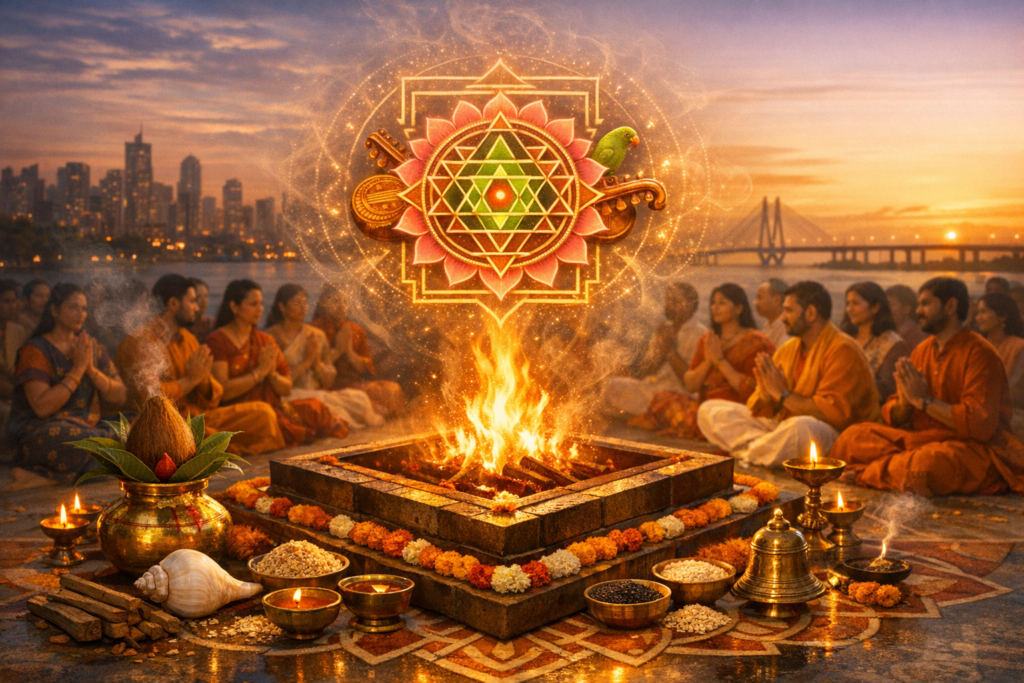
Throughout the history of Bharat varsha (India), households and temples observed Rama Navami with vrata, homa, and recitations of Valmiki Ramayana, Ramacharitmanas, and regional kavyas, alongside festive offerings such as panakam and kosambari. While regional liturgies vary, the core intention—reaffirming dharma and cultivating inner tranquility—has remained a constant across the subcontinent and the global diaspora.
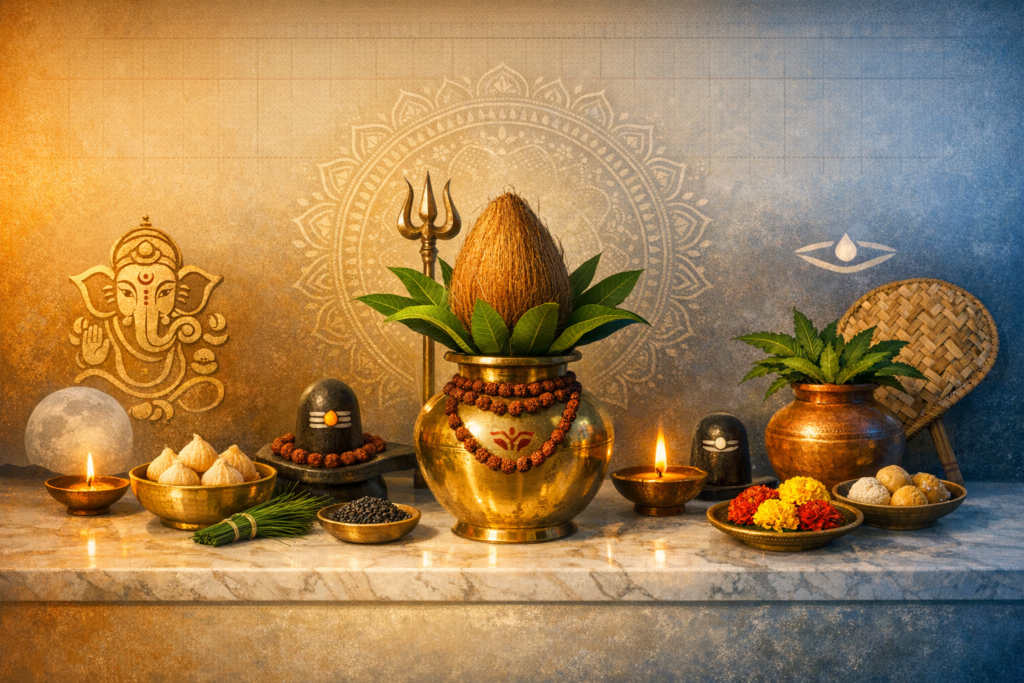
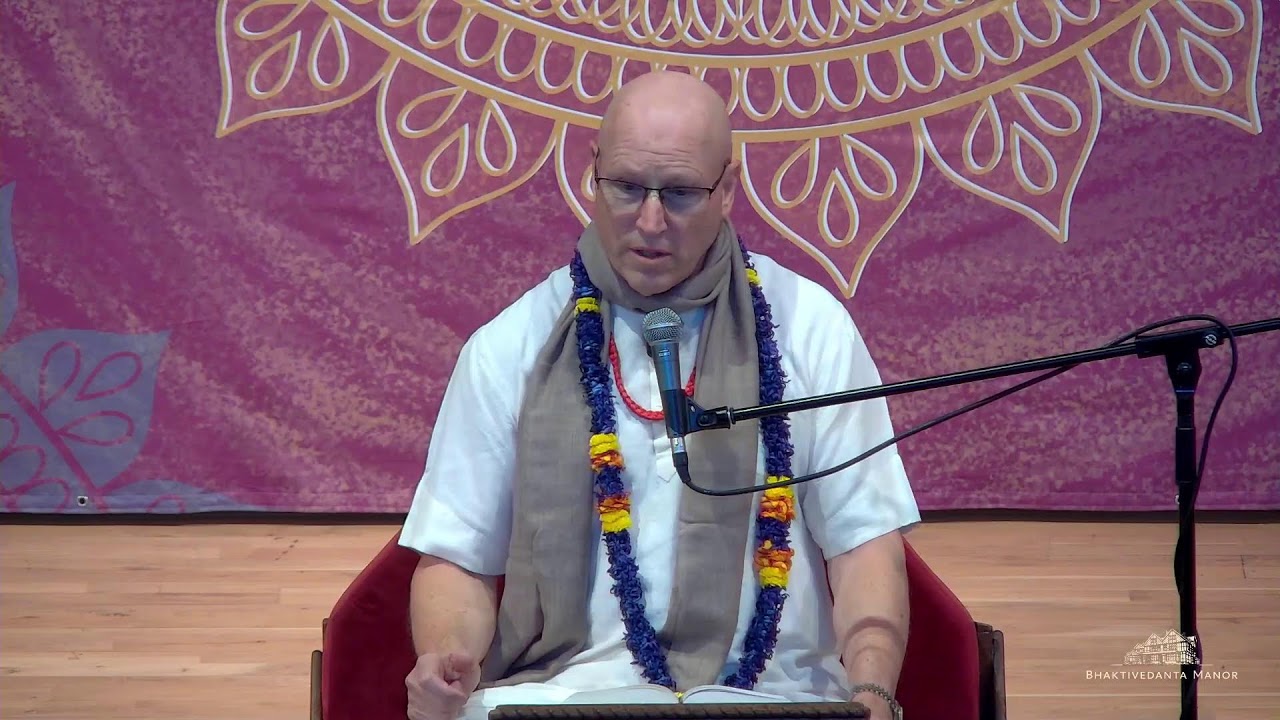
At Bhaktivedanta Manor, a Vaishnava temple associated with ISKCON (International Society For Krishna Consciousness), Rama Navami typically features abhishekam for Sri Sita-Rama-Lakshmana with Hanuman, ornate alankara, arati, congregational nama-kirtana, and pravachana on the Ramayana. Families, students, and seekers converge to experience scriptural study, contemplative practice, and community fellowship, culminating in prasadam that symbolizes shared well-being and cultural continuity.
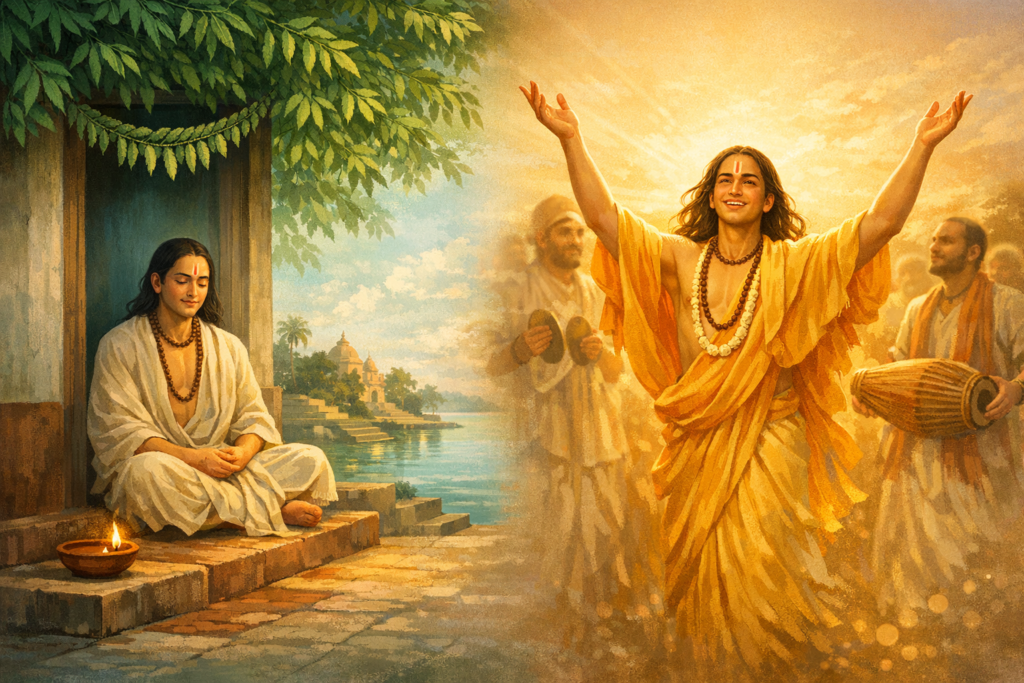
Devotional music animates the celebration and deepens reflection. The cadence of mridanga and kartals, the call-and-response of “Sri Rama, Jai Rama, Jai Jai Rama,” and readings on Rama-bhakti create a contemplative yet uplifting atmosphere. Attendees frequently describe a distinctive calm as the kirtan crescendos, noting a felt sense of unity that bridges personal backgrounds and generational differences.
Observance customs often include fasting until midday or until the conclusion of the madhyahna period of the Navami tithi, followed by honoring prasadam with gratitude. Many practitioners adopt satvika foods and increase japa, aligning bodily discipline with mental clarity. Such regulation is understood not as deprivation, but as a methodical aid to concentration, ethical intent, and readiness to absorb sacred teachings.
Educational segments frequently highlight the philosophical architecture of the Ramayana—its narrative layers (itihasa, dharma-shastra implications, and rasa), its character archetypes, and its insights into rajadharma (civic duty). Discussions often probe the dialectic between personal integrity and public responsibility, using Rama’s choices as case studies in practical ethics that remain salient for contemporary life.
Rama’s legacy resonates across dharmic traditions and encourages unity in diversity. The Dasaratha Jataka in the Buddhist canon reimagines the narrative to illustrate ethical perseverance; Jain retellings such as Vimalasuri’s Paumacariya explore ahimsa-centered perspectives; and in Sikh scripture the divine Name “Ram” serves as a universal epithet for the Supreme. These convergences affirm a shared civilizational grammar—compassion, truthfulness, restraint, and service—fostering harmony without erasing doctrinal distinctions.
Community impact is tangible in festival settings. Elders note how seasonal observances scaffold family cohesion and cultural memory; youth discover role models in Rama, Sita, Lakshmana, and Hanuman; and newcomers find accessible entry points through kirtan, seva, and guided readings. Participants frequently describe renewed emotional balance, increased patience, and a clearer orientation toward purposeful living grounded in dharma.
From a ritual-technical standpoint, Rama-bhakti integrates mantra, murti-seva, and satsanga into a coherent sadhana. When these disciplines converge—sound (nama), form (rupa), qualities (guna), and lila (divine pastimes)—practitioners report heightened attentiveness and a deeper appreciation of vairagya not as withdrawal but as value alignment. The six opulences thus function as contemplative anchors for self-assessment, ethical growth, and resilient devotion.
In alignment with the ethos of Vasudhaiva Kutumbakam, festival organizers and participants emphasize inclusive participation, ecological mindfulness, and respect for the diverse pathways within the broader dharmic family. Mutual regard, dialogue, and collaborative seva demonstrate how public worship can be devotionally intimate, culturally enriching, and socially constructive all at once.
Rama Navami on 25 March 2026 at Bhaktivedanta Manor offers an opportunity to engage an ancient ethical vision through living practice. Whether in quiet listening to Ramayana katha, in joined voices of kirtan, or in reflective fasting, the celebration invites a measured, heart-centered reaffirmation of dharma, unity, and shared cultural heritage.
Inspired by this post on Dandavats.