Sri Guru Raghavendra Jayanthi commemorates the birth anniversary of Sri Guru Raghavendra Swamy and is observed annually on Falguna Shukla Saptami in the Kannada and Telugu calendars. In 2026, the sacred observance falls on February 23, aligning with the seventh lunar day (Saptami) in the bright fortnight (Shukla Paksha) of Falguna masam. Across homes and temples, the day is marked by reverential worship, scriptural recitation, and collective service.
The calendrical basis of this jayanti rests on the lunisolar tithi system followed in regional panchangams. As is customary with tithi-based festivals, local observance may reflect slight regional variations in timing; therefore, communities often consult their Kannada or Telugu Panchangam for sunrise-based tithi alignment. The 2026 date of February 23 is widely referenced for most regions.
The significance of Sri Guru Raghavendra Swamy endures through his saint-scholar legacy and emphasis on bhakti, dharma, and compassionate service. His life and teachings continue to inspire ethical living and spiritual discipline, values resonant across dharmic traditions. In this spirit, the observance affirms shared virtuesseva, satya, karunathat nurture harmony among followers of Hinduism, Buddhism, Jainism, and Sikhism, strengthening social cohesion and mutual respect.
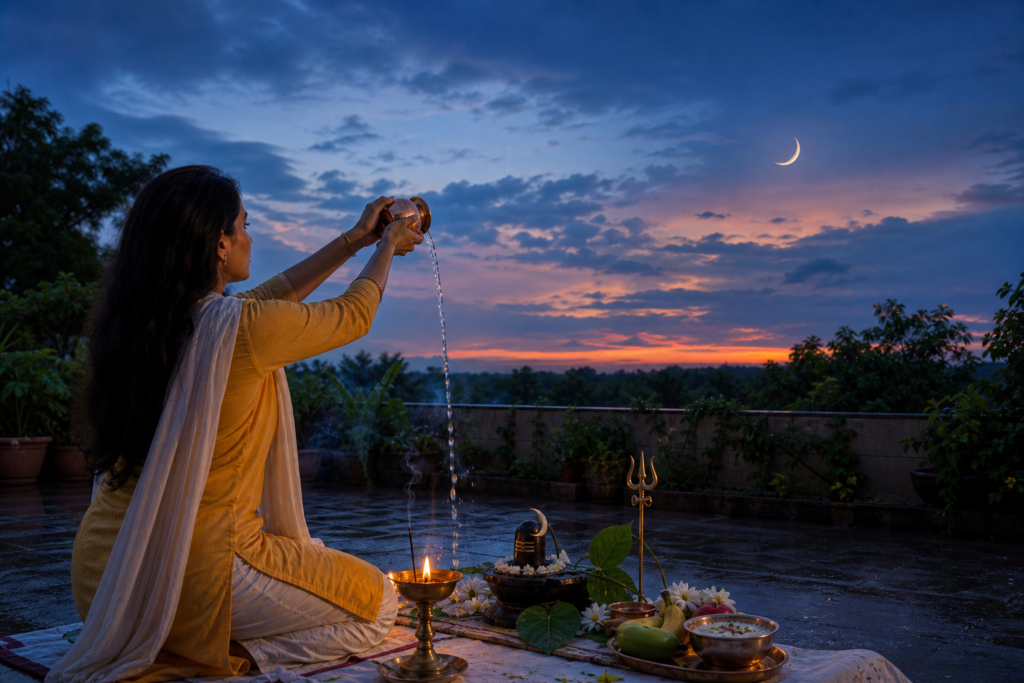
Devotees commonly observe the day with a simple home puja, lighting of lamps, and recitation of stotras dedicated to Sri Guru Raghavendra Swamy. Many also engage in satsang, bhajans, and parayana, reflecting on the saint’s compassion and guidance. Acts of dana and community service are encouraged, affirming that devotion naturally extends into care for society and the environment.
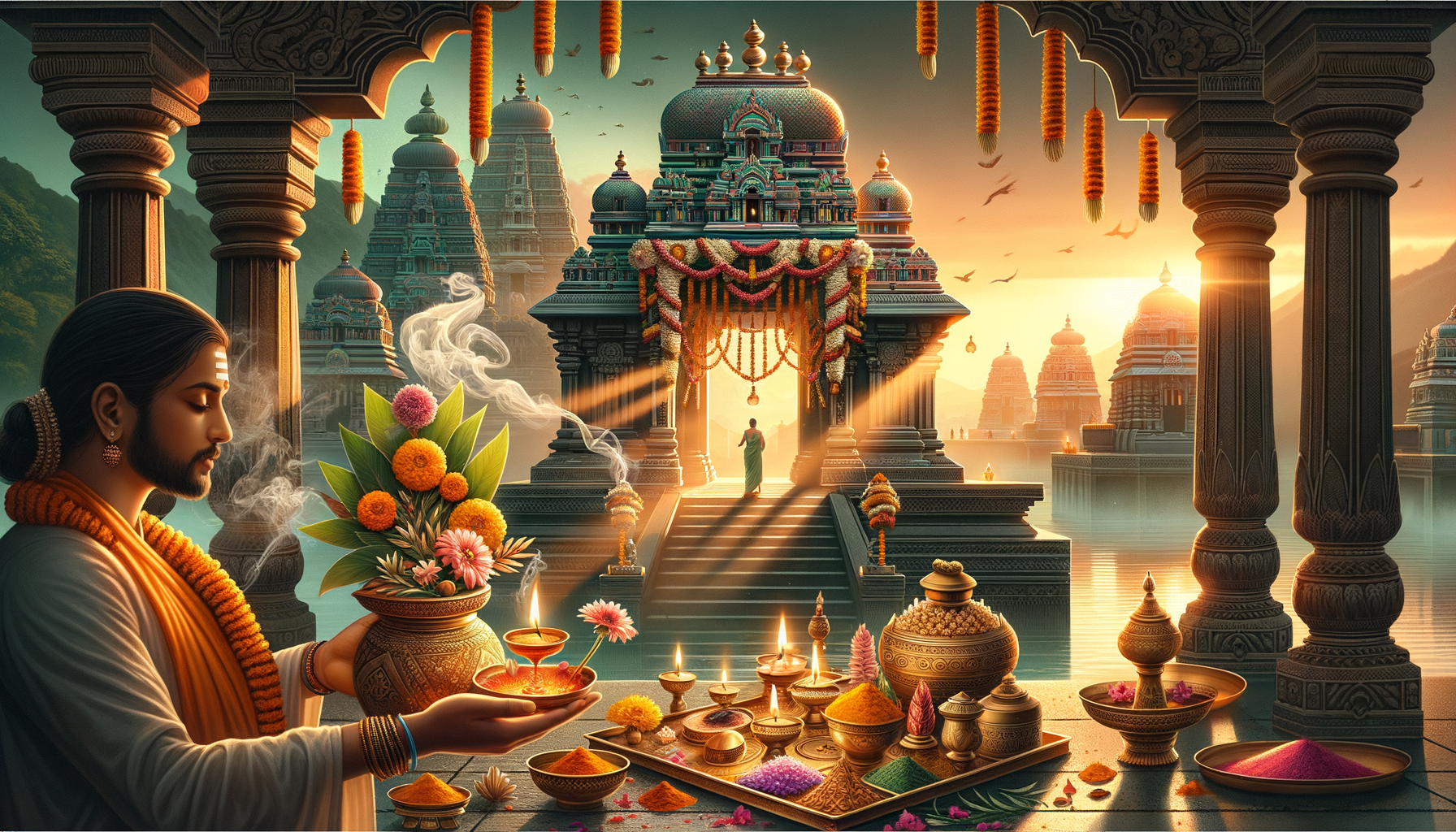
In Mantralayam Sri Guru Raghavendra Swamy Temple, Guru Jayanthi Utsavalu are celebrated with special alankara, pujas, and ceremonial offerings, accompanied by devotional music and collective prayers. The temple’s observances underscore discipline, inclusivity, and reverence, inviting devotees to participate mindfully and in accordance with traditional guidelines.
Mantralayam, located on the banks of the Tungabhadra in Andhra Pradesh, holds an enduring place in the spiritual geography of the subcontinent. Pilgrims often describe a palpable stillness during mangala harati and a deep sense of reassurance while hearing collective chanting. Such shared experiences reinforce the cultural continuity of vratas and pujas while nurturing personal reflection and communal belonging.
Beyond ritual precision, Raghavendra Jayanthi 2026 offers an occasion to renew ethical commitmentstruthfulness in conduct, humility in learning, and generosity in action. Households and communities may plan eco-conscious observances, support local annadana, and create inclusive spaces of dialogue and prayer. In doing so, the celebration becomes a living bridge between scripture and society, honoring tradition while fostering unity among diverse dharmic paths.
Observed with devotion and clarity of purpose, this jayanti invites all to contemplate Sri Guru Raghavendra Swamy’s enduring message: steadfast faith, disciplined practice, and compassionate service can transform individual lives and elevate collective well-being.
Inspired by this post on Hindu Pad.