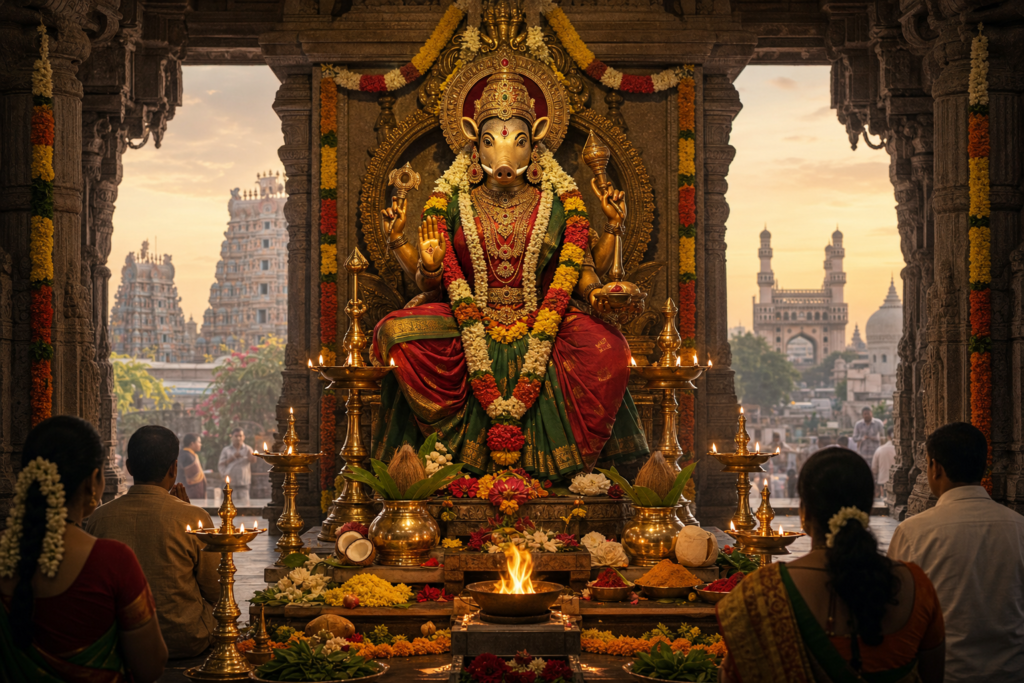
Payo Vratham, a Vaishnava vrata dedicated to Lord Vishnu, is traditionally observed in parts of Andhra Pradesh during Phalguna Masam. Rooted in Srimad Bhagavatam, the observance spans twelve days, aligning both personal discipline and communal devotion with the lunar rhythm of the Hindu calendar.
In 2026, Payo Vrata begins on Phalguna Shukla Padyami (18 February 2026) and concludes on Phalguna Shukla Dwadashi (1 March 2026). As with all tithi-based observances, local sunrise times and regional Panchang calculations may shift practical dates slightly; consulting a trusted Panchang or nearby temple is recommended.
Classical sources (notably Srimad Bhagavatam, where Aditi undertakes the payo-vrata with Kaśyapa’s guidance before the appearance of Vāmana) frame this vow as a disciplined offering to Lord Vishnu. The ethos emphasizes sattvic restraint, daily remembrance (japa), and worship, often accompanied by simple milk-centered offerings (payo) and modest charity, culminating reverentially on Dwadashi.
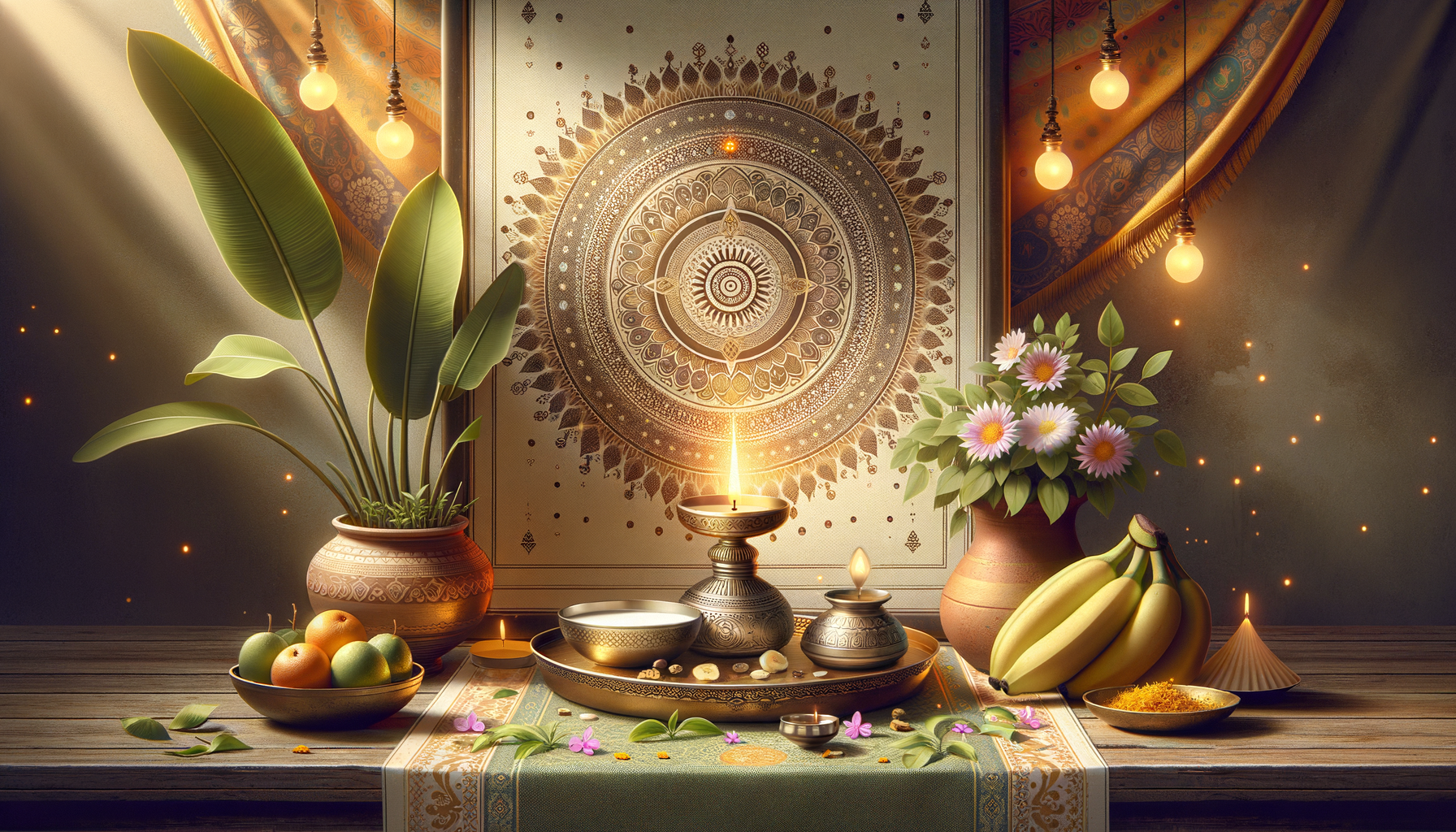
Across Andhra Pradesh, families describe these twelve days as a time of calm focushousehold altars bright with lamps, quiet recitation of Vishnu stotras, and shared prasada that turns individual resolve into collective warmth. Many recount that maintaining a measured routineearly puja, brief scriptural reading, and mindful fastingcreates an inner steadiness that carries beyond the observance itself.
Observed in Phalguna Masam and anchored in Shukla Paksha, the vrata’s cadencefrom Padyami to Dwadashihelps devotees synchronize spiritual intent with the Hindu calendar. Simple actslighting a lamp before Vishnu, chanting the Vishnu Sahasranama, or offering milk and fruitsbecome accessible ways to honor the vow with both sincerity and clarity.
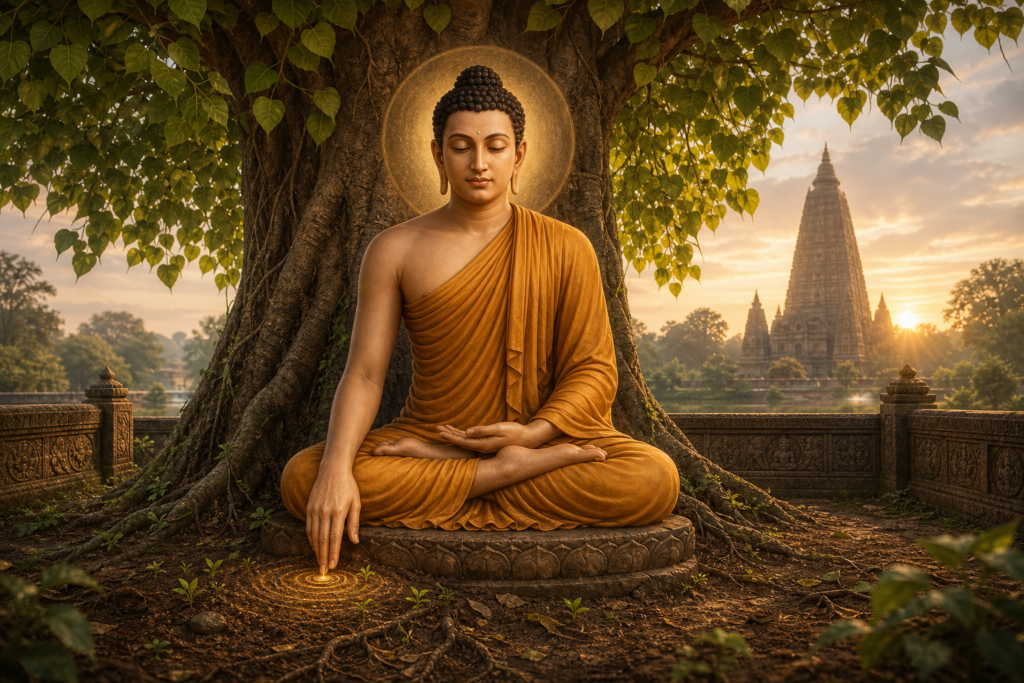
While Payo Vratham is distinctly Vaishnava, its core values resonate across dharmic traditions. The discipline and compassion cultivated during these days echo the Jain emphasis on self-restraint (samyama), the Buddhist practice of mindful awareness and ahimsa, and the Sikh spirit of seva and remembrance (simran). This shared ethical ground underscores unity-in-diversity within the broader Indic spiritual family.
For practical observance in 2026: note the start on 18 February (Phalguna Shukla Padyami) and the conclusion on 1 March (Shukla Dwadashi); align daily worship to local tithi timings; keep the diet light and sattvic; and, where possible, pair personal austerity with small acts of service. Such a rhythm honors scriptural intent while sustaining health, clarity, and community connection.
Ultimately, Payo Vrata 2026 offers a measured and contemplative pathway to deepen Vishnu-bhakti. By anchoring devotion in scripture, time (tithi), and gentle discipline, devotees report renewed equanimity, gratitude, and a felt sense of belongingto family, community, and the timeless current of dharma.
Inspired by this post on Hindu Pad.