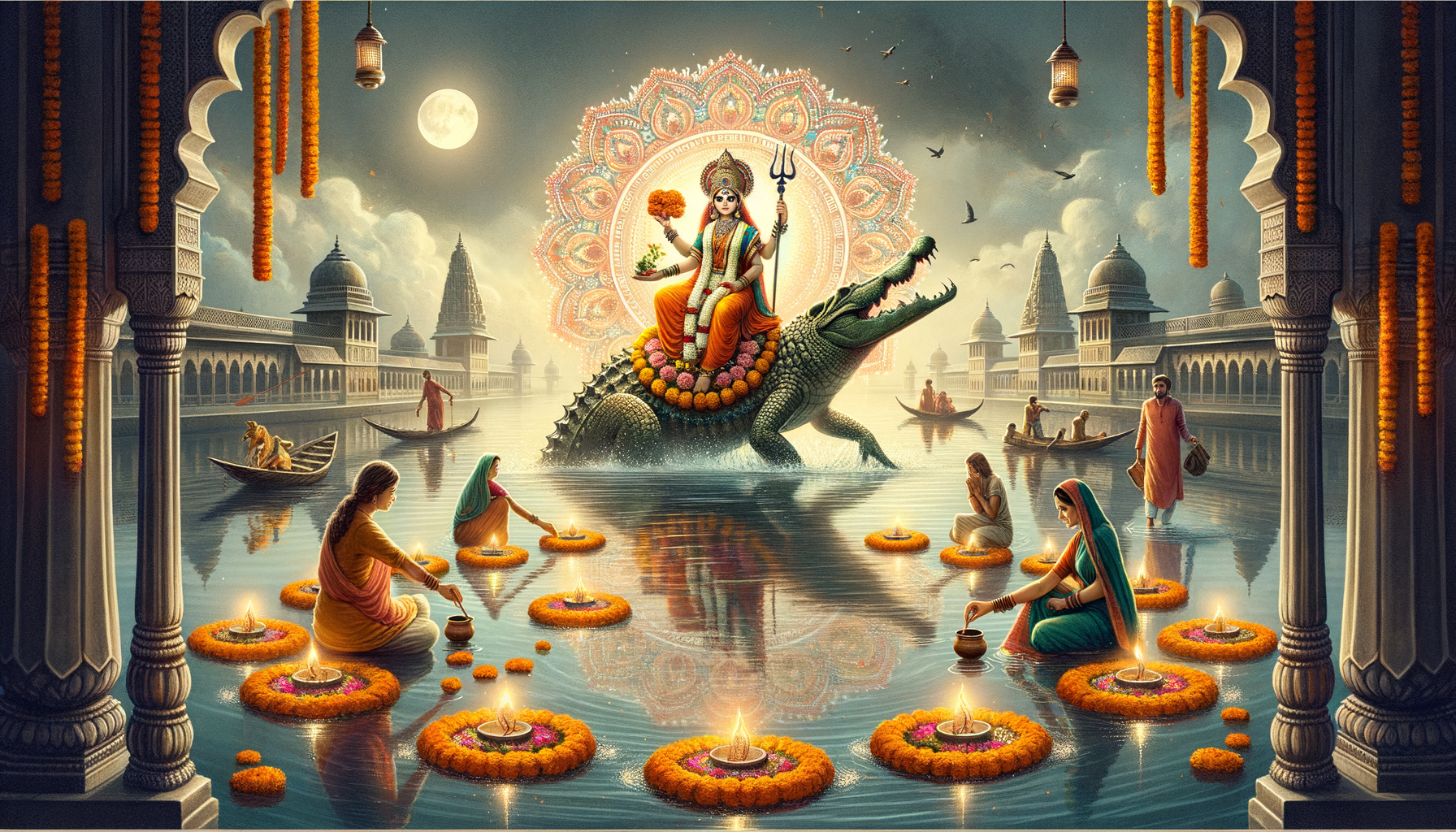
Khodiyar Mata Jayanti (Khodiyar Maa Pragatya Din) commemorates the birth and first appearance of Goddess Khodiyar Mata, a revered manifestation of Shakti. As per the Hindu calendar, the observance falls on Shukla Paksha Ashtami in the Magha month; in 2026, the date is January 26. This timing, rooted in the lunar cycle, situates the festival within the auspicious phase of increasing light, reinforcing the theme of divine protection and renewal.
The observance honors Goddess Khodiyar Mata’s enduring presence in lived tradition and sacred narrative, including the well-known story associated with Mamaniya. Across many households and communities, she is invoked as a compassionate guardian and a source of resilience. The day offers an occasion to reflect on gratitude, moral courage, and the protective grace that devotees experience in daily life.
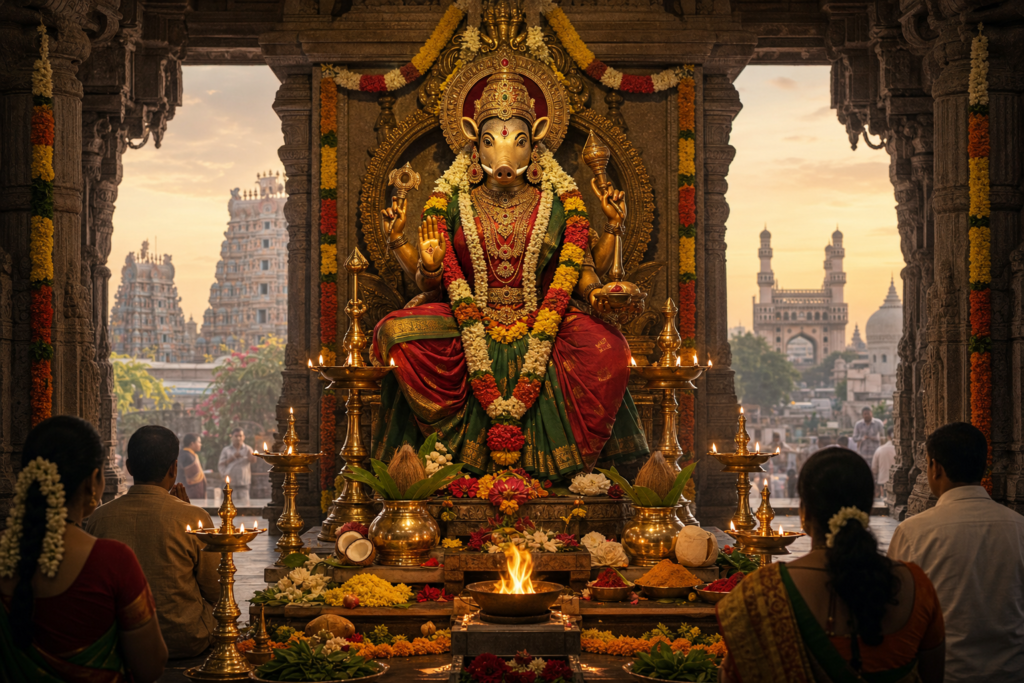
Devotees typically mark the day with simple, heartfelt practiceslighting a lamp, offering prayers, and reciting mantras dedicated to the Goddess. Families often gather to share intergenerational stories of faith, while community spaces may host collective prayers that emphasize seva (service) and solidarity. These practices align with the spirit of Jayanti observances throughout the Hindu calendar, where remembrance, devotion, and ethical living are central.
Situated on Magha Shukla Ashtami, the Jayanti’s calendar placement carries symbolic resonance. Shukla Paksha signifies growth and clarity, while Magha is traditionally associated with purity, steadfastness, and disciplined devotion. For many, the convergence of these qualities on this date deepens the spiritual significance of Khodiyar Maa Pragatya Din, transforming the occasion into a moment of introspection and renewal.
While Khodiyar Mata Jayanti is a Hindu festival, its core valuescompassion, courage, and serviceresonate across dharmic traditions, including Buddhism, Jainism, and Sikhism. The celebration’s emphasis on ethical conduct, community well-being, and reverence for the sacred supports a shared civilizational ethos. In acknowledging these common threads, the observance contributes to inter-dharmic harmony and a deeper appreciation of India’s spiritual plurality.
Many devotees describe the day as emotionally uplifting: a reminder that divine grace is close at hand during times of uncertainty. The stories and songs associated with Khodiyar Mata cultivate a sense of continuity between past and present, linking ancestral wisdom with contemporary life. In this way, the 2026 observance becomes both a calendar event and a living practice of resilience, gratitude, and unity.
Key details at a glance: Khodiyar Mata Jayanti (Khodiyar Maa Pragatya Din) falls on Shukla Paksha Ashtami, Magha month; the 2026 date is January 26. Observances typically include home and community prayers, devotional readings, and acts of service that reaffirm the festival’s ethical and spiritual foundations.
Inspired by this post on Hindu Pad.