Hanuman Jayanti, marking the birth (janmadina) of Bhagavan Hanuman, is observed on Vaishakha Bahula Dasami—the tenth lunar day in the waning half of Vaishakha—across large parts of South India. In 2026, this observance falls on 12 May 2026, and it is followed widely in Andhra Pradesh, Karnataka, and in many communities in Tamil Nadu and Kerala.
In the Amanta reckoning customary in much of peninsular India, Vaishakha begins after the full moon of Chaitra and concludes at the subsequent new moon. The term “Bahula” denotes Krishna Paksha (the dark fortnight), while “Dashami” is the tenth tithi, defined astronomically by the Moon–Sun angular separation of 96°–108°. Because tithis do not align exactly with civil dates and are calculated for a specific location, the Jayanti vrata is observed when Dashami is operative during the day at the place of worship.
India’s regional diversity preserves multiple Hanuman Jayanti traditions. Many North and West Indian communities celebrate on Chaitra Purnima, whereas several Tamil traditions observe Hanumath Jayanthi in Margazhi when Moola (Mūlam) Nakshatra aligns with the lunar month’s end. The Vaishakha Bahula Dasami observance, however, is authoritative in Andhra Pradesh, Karnataka, and parts of Tamil Nadu and Kerala, and is the focus here.
Date confirmation for 2026: for the South Indian Vaishakha observance, Hanuman Jayanti is on 12 May 2026 (Vaishakha Bahula Dasami). Those outside India—or far from peninsular time zones—should verify the local Dashami window with a reliable Hindu calendar (Panchang) for their city before finalizing the puja schedule.
Ritual timing follows the Dashami tithi. Many households prefer to perform the core puja during daylight, often around madhyahna, though pratah-kala is also observed. If Dashami straddles two civil dates, families typically choose the day on which Dashami prevails during the principal part of the daytime, in accordance with local temple guidance or family parampara.
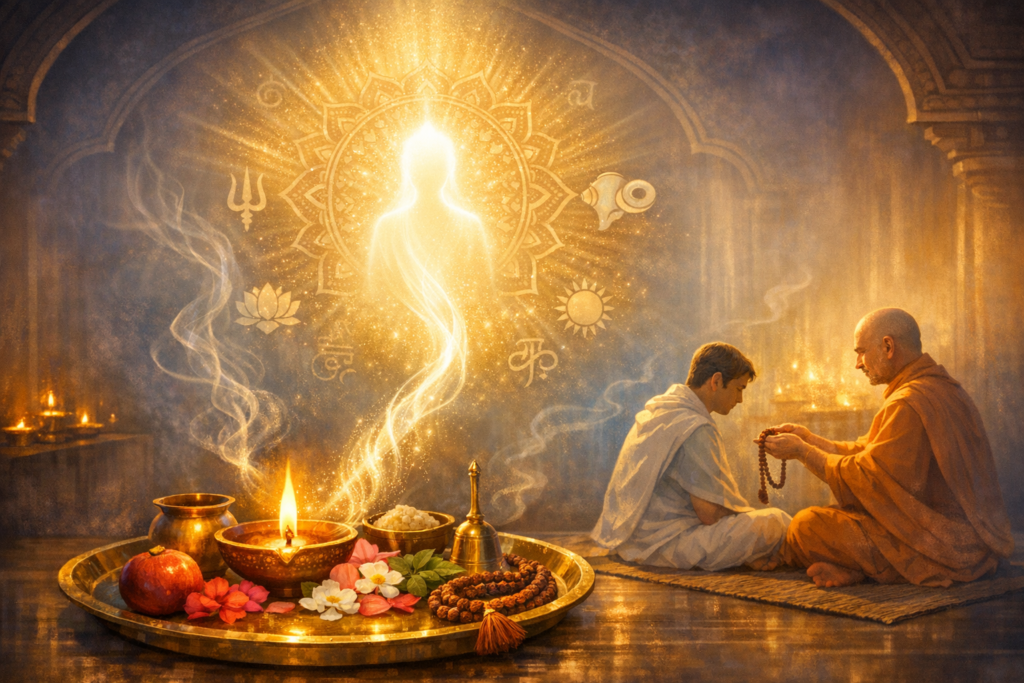
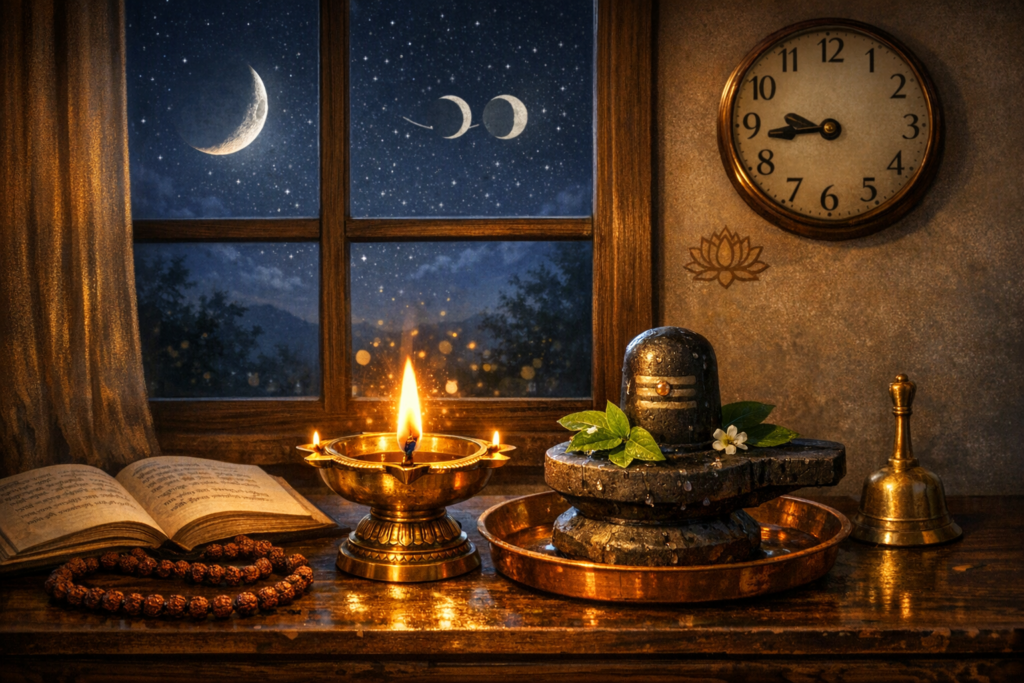
Suggested home puja sequence includes: preparing a clean space; lighting a deepa and incense; performing achamana; taking a simple sankalpa for Hanumaj-jayanti vrata on Vaishakha Krishna Dashami; inviting Sri Anjaneya (aavahana); offering panchopachara or shodashopachara with flowers (marigold is common), akshata, and tulasi leaves where customary; and performing taila-abhishekam and sindoor alankara to the deity (a beloved practice in South India). Conclude with naivedya—boondi laddoo, jaggery-based prasada, bananas, and butter are popular—followed by arati and pranama.
Recitations that deepen bhakti on this day include Hanuman Chalisa, Sundara Kanda parayanam (full or selected sargas), Anjaneya Dandakam (widely sung in Telugu homes), and Hanuman Ashtottara Shatanamavali. Many families choose counts of 11, 21, or 108 repetitions in line with time and capacity, maintaining steadiness of mind and devotion throughout.
Vrata and dana enhance the spiritual merit of the day. Observers often keep a sattvic fast (phalahara) until the puja and arrange annadanam or distribute fruit to visitors and those in need. Offering oil for taila-abhishekam, arranging vada-mala garlands where customary, and supporting temple goshalas are considered acts of seva closely associated with Hanuman’s spirit of service.
Temple traditions in South India on Vaishakha Bahula Dasami commonly feature special abhishekam, sindoor alankara, vada-mala, and extended Sundara Kanda parayanam. Celebrations are notably vibrant in Andhra Pradesh and Karnataka, with many communities in Tamil Nadu and Kerala participating through their own local customs, language, music, and forms of devotion.
Illustrative regional practices include visits in Andhra Pradesh and Telangana to prominent Anjaneya kshetras such as Karmanghat Hanuman, with taila-abhisheka and collective stotra recitation; in Karnataka, pilgrimages to Kishkindha traditions and Anjanadri hold special meaning; in Tamil Nadu, large vada-mala offerings and communal chanting at temples such as Nanganallur Anjaneyar and Namakkal Anjaneyar are common; and in Kerala, bhajans and seva-centred gatherings mark the day at Anjaneya shrines including Alathiyoor.
Why Vaishakha Bahula Dasami? Textual memory and regional parampara remember Hanuman’s appearance on a Dashami in the dark half of Vaishakha, aligning ritual practice (deshachara) with lunar reckoning. This dating exists alongside other Jayanti traditions without contradiction, reflecting the Hindu calendar’s pluralism and its emphasis on intention (sankalpa) and adherence to lineage.
Calendar notes for students of Panchang: a tithi is an angular measure, not a midnight-bound civil date; it can begin or end at any clock hour. Panchangams may adopt Drik (observational) or Surya Siddhanta computational frameworks and reference different cities. For religious observance, families typically follow the panchang and temple tradition with which they are historically connected, ensuring both accuracy and continuity.
Meaning and values: beyond calendrical detail, Hanuman Jayanti enshrines courage (shaurya), unwavering devotion (bhakti), humility, and selfless service (seva). These virtues resonate across dharmic traditions—seen in the Sikh emphasis on seva, the Buddhist cultivation of viriya (energy and effort), and the Jain commitment to disciplined ethics—affirming unity in diversity and a shared aspiration toward dharma.
Community experience often blends scholarship with heartfelt devotion. Households describe an atmosphere of positivity: children learn verses from Sundara Kanda, elders narrate episodes of Hanuman’s wisdom and strength, and neighbors gather for collective recitation and sharing of prasada. Across languages and regions, the day becomes a lived classroom for transmitting values and sustaining bonds.
Practical checklist: confirm the Dashami tithi for the local city; arrange sindoor, sesame or jasmine oil, flowers, betel leaves where customary, vada-mala if available, fruit and laddoo for naivedya; set aside dedicated time for Hanuman Chalisa and Sundara Kanda; plan annadanam or seva; and coordinate with the nearest temple for abhishekam and group chanting schedules.
Summary for 2026: for those following the South Indian Vaishakha observance, Hanuman Jayanti falls on 12 May 2026 (Vaishakha Bahula Dasami). Observing the vrata during the operative Dashami period, engaging deeply with stotra-recitation and Sundara Kanda, and anchoring the day in seva offers a spiritually complete, regionally authentic, and unifying celebration.
Inspired by this post on Hindu Pad.