Choti Diwali, also known as Narak Chaturdashi, is observed on the day preceding Diwali and in 2025 falls on October 20. Recognized across regions as a “small Diwali,” it is marked by modest fireworks, early household preparations, and the lighting of lamps that symbolically dispel darkness. In many homes, this day becomes the practical and spiritual bridge into the main Diwali celebrations, anchoring the festival in themes of purification, protection, and renewal.
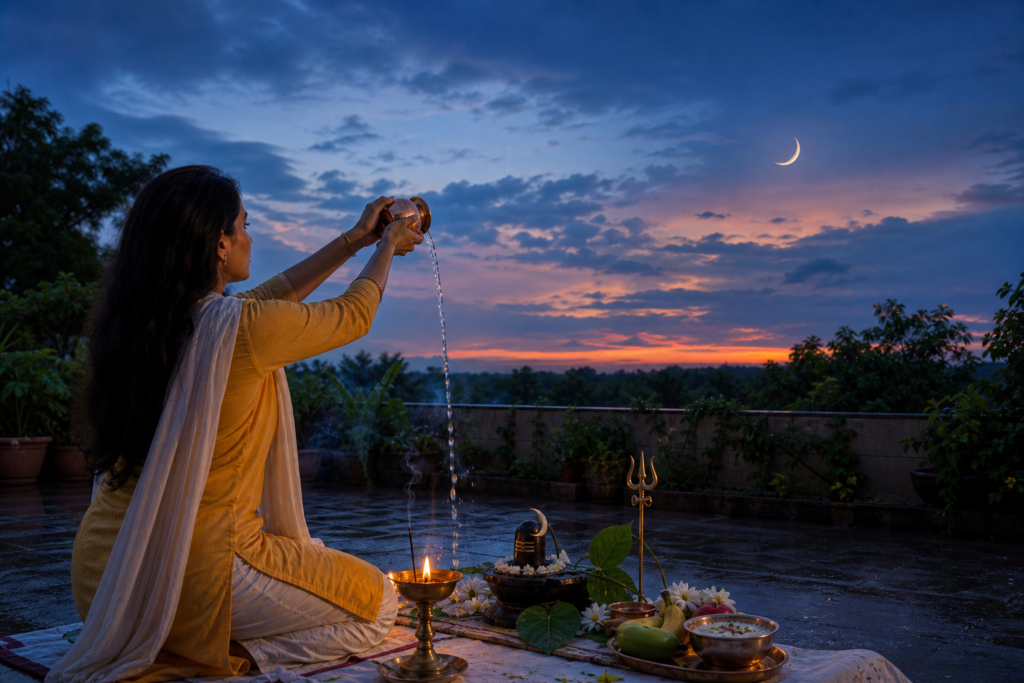
Across communities, Narak Chaturdashi is associated with dawn-time rituals of cleansing and sanctification. Many observe an oil bath, often referred to as abhyanga snan, and recite prayers seeking clarity and well-being. Lamps are lit at thresholds and near water sources in the spirit of Yam Deep Daan, a practice linked with invoking protection and long life. In the evening, families may burst a few crackers in a restrained, safety-conscious manner, reinforcing the day’s gentle tone. These observances, remembered fondly by many as formative childhood experiences, create a rhythm of serenity before the exuberance of Diwali night.
The day also carries names and nuances across regionssuch as Kali Chaudas and Roop Chaudasyet the core meaning remains consistent: removing inner and outer impurities to welcome light. This shared emphasis on ethical living, non-harm, and inner illumination resonates widely within dharmic traditionsHinduism, Buddhism, Jainism, and Sikhismwhere practices of self-discipline, compassion, and service are cherished. In contemporary households, the spirit of Choti Diwali often extends to inclusive gatherings, neighborly exchanges of sweets, and thoughtful reflection on common values that bind diverse communities.
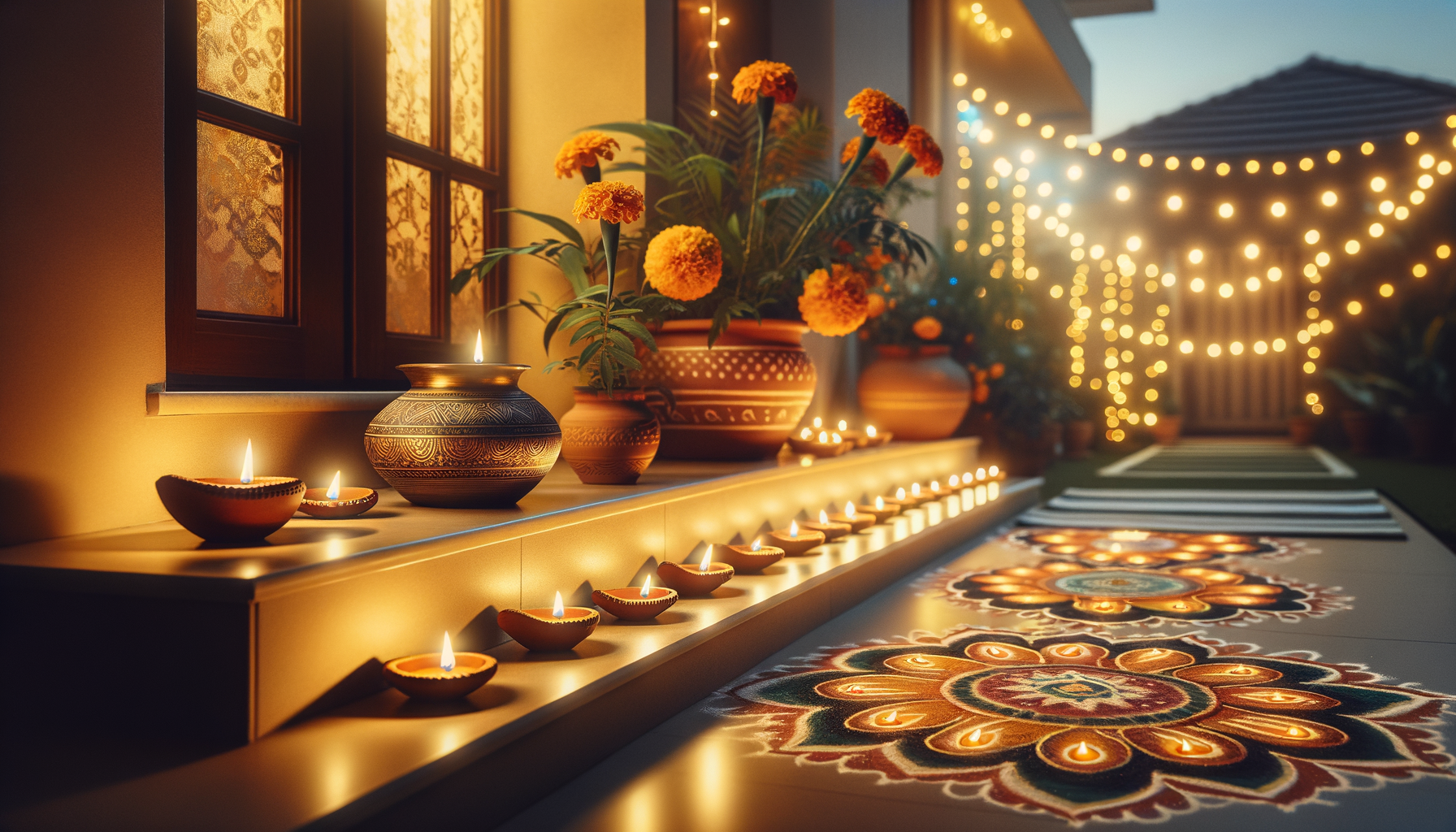
Preparations for the main Diwali puja typically intensify on Choti Diwali. Families complete cleaning tasks, arrange the altar area, and draw vibrant rangoli designs to welcome auspiciousness. Many choose eco-friendly materials for rangoli and lighting, and opt for low-noise, low-emission fireworks, blending tradition with environmental responsibility. Such choices preserve the festival’s aesthetic beauty while aligning with contemporary concerns for well-being and sustainability.
For practical planning in 2025, devotees commonly begin with a pre-sunrise abhyanga snan, continue with household preparations and rangoli during the day, and light diyas at dusk for Yam Deep Daan. A calm, reflective evening with simple fireworks encourages safety, mindfulness, and intergenerational bonding. Observed in this way, Choti Diwali magnifies the meaning of Diwali itselfcelebrating the triumph of light over darkness through clean spaces, kind actions, and a composed, devotional atmosphere.
Inspired by this post on Hindu Pad.