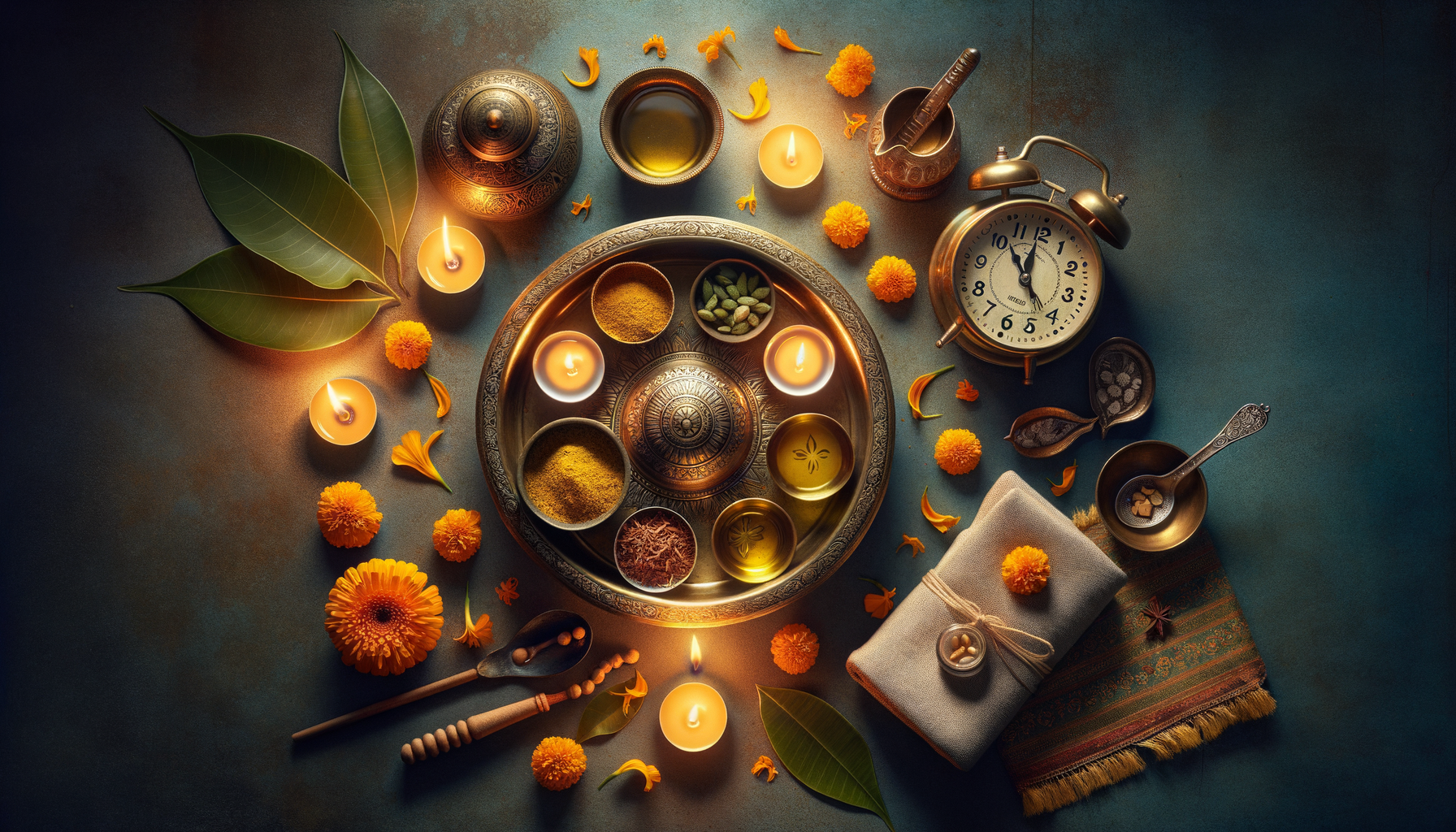
Abhyanga Snana is the traditional pre-dawn oil bath observed on Narak Chaturdasi (also written as Narak Chaturdashi), a key component of the Diwali (Deepavali) observances. Rooted in Ayurveda and home ritual practice, this sacred snana symbolizes inner and outer purification, release from negativity, and readiness to welcome the festival of lights with clarity and auspiciousness.
For Diwali 2025, Narak Chaturdasi Abhyanga Snan is observed on 20 October 2025 in India, Australia, New Zealand, UAE, Singapore, and Malaysia. Due to time-zone shifts and the tithi’s local occurrence, communities in the USA, UK, and Canada may see the date vary; practitioners in these regions typically consult a reliable local panchang or temple calendar for the exact Abhyanga Snana Muhurat.
The Abhyanga Snana Muhurat aligns with the pre-sunrise window when the Chaturdashi tithi prevails. Traditionally, the most preferred time is during the early-morning period preceding sunrise, often referred to as Brahma Muhurta, provided the Narak Chaturdasi tithi is active. Because city-specific sunrise times and tithi spans differ, households benefit from confirming the precise muhurat for their location.
A practical sequence begins with applying warm tila taila (sesame oil) from head to toe, followed by a gentle ubtan or herbal paste and a thorough bath. Many families then perform simple prayers associated with Narak Chaturdasi, light the first diyas of the season, and prepare for subsequent Diwali rituals. This rhythmic routineoil anointment, snana, and contemplationsupports physical well-being and mental steadiness, aligning with the festival’s deeper intent of dispelling darkness.
Across cities and the diaspora, observance patterns may vary, yet the core remains consistent: Abhyanga Snana on Narak Chaturdasi fosters renewal, cleanliness, and a calm, sattvic start to the day. In metropolitan settings or among those with busy schedules, even a simplified practicebrief oiling, a mindful bath, and a short prayerretains the ritual’s essence and benefits.
While Abhyanga Snana is distinctly associated with Diwali in the Hindu tradition, its ethical and contemplative spirit resonates across dharmic paths. The shared values of purity, compassion, and self-discipline reflected in morning ablutions, mindful living, and seva in Buddhism, Jainism, and Sikhism underscore a unifying commitment to inner refinement and communal harmony during festive times.
In summary, the 2025 Abhyanga Snana during Narak Chaturdasi offers a time-tested way to begin Diwali with intention. By observing the pre-dawn muhurat, tailoring the practice to local sunrise and tithi, and emphasizing gentle care and mindfulness, households create an atmosphere conducive to health, serenity, and shared celebration throughout Deepavali.
Inspired by this post on Hindu Pad.