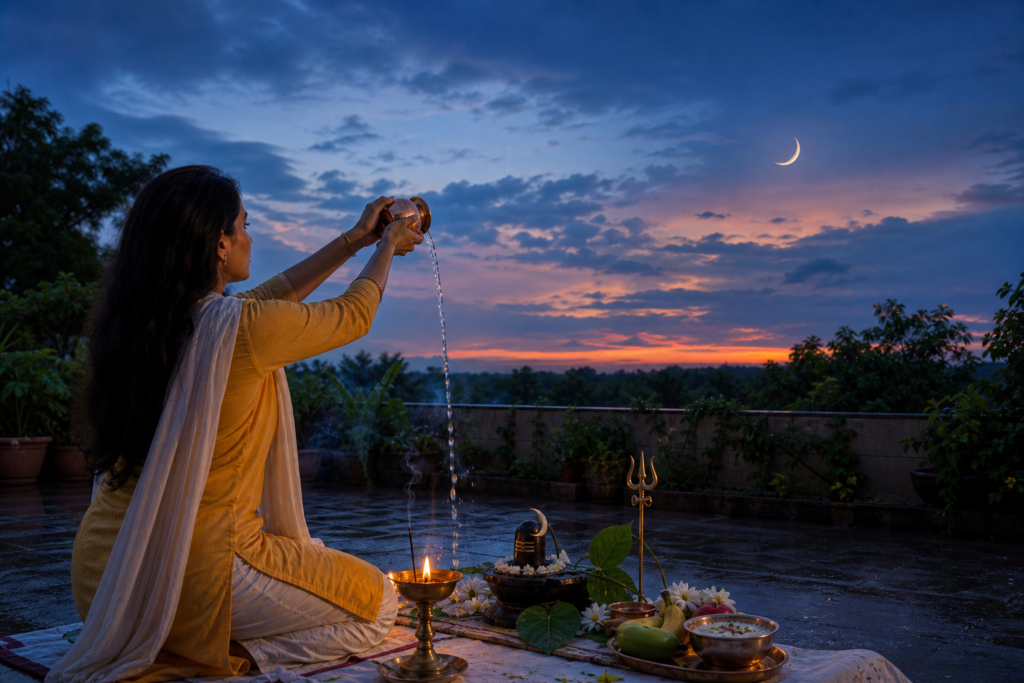
Chollangi Amavasya is observed on Pushya Masa Amavasya, the No Moon day in Pushya masam, across the Godavari delta in Andhra Pradesh. In 2026, the sacred observance falls on January 18. The site of Chollangi holds particular sanctity as the River Godavari meets the seathe Bay of Bengal, reverentially known as Bangala Khatham in Teluguinviting devotees to contemplate renewal, gratitude, and ancestral remembrance at the confluence.
Set along one of the distributary mouths of the Godavari, Chollangi has long been associated with tirtha-snan (ritual bathing), pitru tarpan (offerings to ancestors), and quiet prayer on Amavasya. The gentle rhythm of tide and river creates a natural ambiance for introspection, where many find that the meeting of river and ocean mirrors an inward journey from restlessness to repose. Families often describe a subtle calm here, as if the estuary itself invites a deeper sense of presence and belonging.
Typical observances on Pushya Masa Amavasya include early-morning snana, sesame-based tarpan, lighting deepa, parayana of sacred texts, and visits to nearby temples. The day is known for acts of daan (charity) and simple, mindful livingpractices that align with the spirit of Pushya, a time traditionally associated with nourishment, stability, and auspicious beginnings in the Hindu calendar. In coastal Andhra traditions, the resonance of Bangala Khatham underscores the cultural memory of rivers as lifelines and the sea as an ever-present horizon of hope.
Chollangi Amavasya also offers a meaningful space for unity among dharmic traditions. While customs vary across Hinduism, Buddhism, Jainism, and Sikhism, the New Moon’s quietude naturally lends itself to shared values: remembrance, service, ethical conduct, and inner clarity. By honoring diverse paths with mutual respect, the observance reinforces a common commitment to compassion, harmony, and collective well-being.
Those planning to attend are encouraged to consult a reliable Panchang for local sunrise-sunset windows and regional muhurta guidance, as coastal conditions can vary. Practical considerationstide awareness, safety near the waterline, and ecological care for the shorelineenhance both the pilgrimage and the environment that sustains it. In this way, Chollangi Amavasya becomes more than a date on the calendar; it emerges as a living convergence of culture, nature, and sadhana.
Beyond ritual, the symbolism of river meeting sea evokes a broader reflection: individuality flowing toward a shared horizon. For many, that image captures the essence of Pushya Masamsteadying the mind, strengthening family bonds through remembrance, and nurturing the wider community through acts of kindness. At Chollangi, the landscape itself seems to teach that unity is not uniformity; it is the graceful meeting of many streams in a single, sheltering ocean.
Inspired by this post on Hindu Pad.