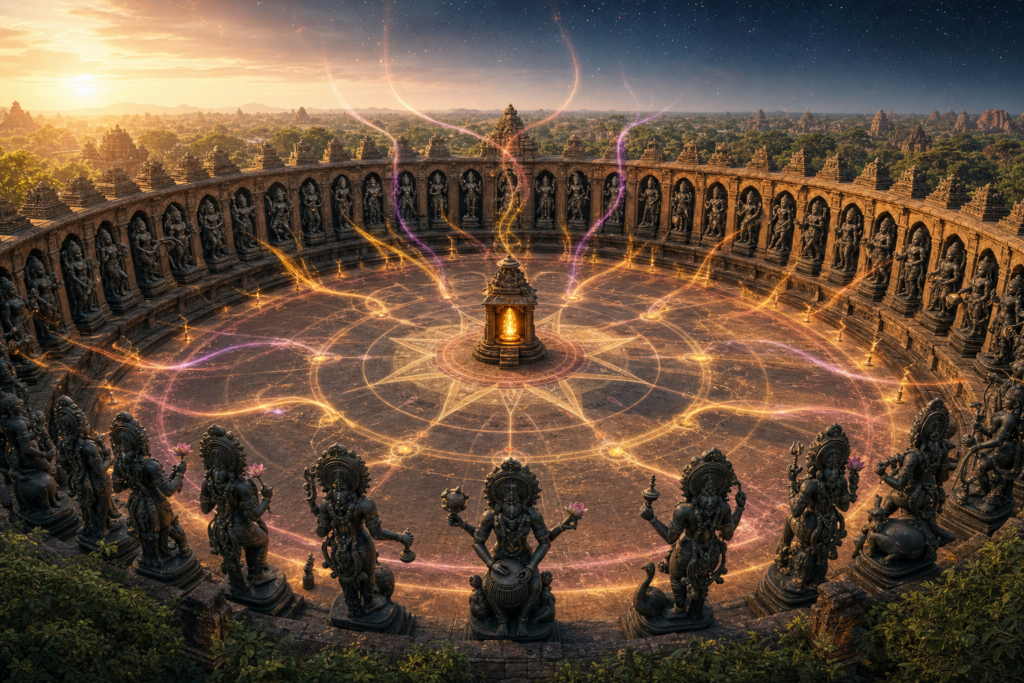
Achala Saptamialso known as Saur Saptami and celebrated as Rathsaptami in North Indiafalls on Magha Shukla Saptami, the seventh day of the bright fortnight in the month of Magha. In 2026, the observance is on January 25. Dedicated to Lord Surya (the Sun God), the festival centers on gratitude for light, vitality, and well-being, with devotees offering prayers for health, prosperity, and clarity of purpose in the new year’s solar rhythm.
In the Hindu calendar, Achala Saptami’s timing is closely aligned with sunrise on Magha Shukla Saptami, making the morning worship particularly significant. Many consult the local Panchang to determine auspicious windows for Surya Arghya (offering water to the Sun). This solar observance also resonates with the broader seasonal transition that follows Makara Sankranti, when days gradually lengthen and warmth symbolically returns.
Across households and temples, practices commonly include a pre-dawn or early-morning bath, facing the east to offer Arghya to Surya with water mixed with sesame seeds, red flowers, and prayers. In several regions, devotees place arka (calotropis) leaves on the body during the ritual bath, symbolizing the sanctity of Saptami and invoking vitality. Rathsaptami motifssuch as the Sun’s chariot and seven horsesappear in rangoli and temple decor, while many chant Aditya Hridayam or Surya Gayatri and observe simple fasting as a means of discipline and devotion.
The festival’s symbolism is clear: Surya represents life-giving energy and inner illumination. Achala Saptami thus becomes an occasion to renew commitments to health, steadiness (achala), and ethical living. The emphasis on clarity, resilience, and right conduct links spiritual aspiration with everyday wellness, aligning inner practice with the natural cycles of light and season.
For many families, Achala Saptami evokes cherished memorieselders guiding children to pour water toward the rising Sun, homes brightened with clean lamps, and conversations about gratitude for nature’s rhythms. Such shared moments offer a gentle reminder that spiritual traditions grow stronger when woven into daily life, guiding communities toward cohesion and purpose.
In the spirit of unity among dharmic traditions, this day also echoes themes familiar across Hinduism, Buddhism, Jainism, and Sikhism: reverence for the cosmic order, the ethic of gratitude, and the pursuit of inner clarity. While ritual forms differ, the unifying idea is respect for the light of wisdom and the moral renewal it inspiresan inclusive vision of spiritual diversity that strengthens communal harmony.
Those observing in 2026 may consider a simple sequence: rise before or at sunrise; take a purifying bath; face east and offer Arghya to Surya with sincerity; chant a few verses such as Aditya Hridayam; light a lamp; and undertake acts of charity aligned with local needs. Eco-conscious choicesusing natural flowers, conserving water, and avoiding wastehonor the festival’s ecological ethic and gratitude for the Sun’s sustaining power.
Observed widely in North India and meaningful across regions, Achala Saptami 2026 invites reflection on health, prosperity, and luminous understanding. By blending tradition with mindful living, the festival nurtures a sense of shared heritage while embracing unity in spiritual diversity.
Inspired by this post on Hindu Pad.