Reports of demolition activity at Manikarnika Ghat in Varanasi have triggered a national outcry, reflecting deep concern for one of the most sacred riverfront sites in India. As the oldest continuously operating cremation ghat on the Ganga, Manikarnika holds immense ritual, historical, and cultural significance for Hindus and is revered across dharmic traditions for its continuity of practice, remembrance, and rites of passage. The situation calls for calm, transparency, and a principled roadmap that prioritizes heritage preservation, lawful process, and public trust.
Manikarnika Ghat is not merely a physical location; it is a living heritage landscape that connects families, pilgrims, and communities to Kashi’s spiritual memory. For countless households, the name itself evokes the solemn dignity of last rites and the timeless assurance of samskara. Any alteration to the built fabric here, even if driven by safety considerations or routine works, warrants heightened scrutiny, clear communication, and rigorous adherence to conservation norms.
What is currently known stems from local accounts, visual evidence circulating in the public domain, and appeals from heritage trusts, community representatives, and political parties. Questions have been raised about authorizations, structural safety assessments, and alignment with heritage-protection procedures. While avoiding sensationalism, it is reasonable to seek full disclosure of project scope, permitting pathways, and the precise rationale for dismantling any portion of the site’s fabric.
Stakeholders across societyheritage trusts, local residents, ritual service communities, pilgrims, and cross-party representativeshave sought an independent, time-bound inquiry. Their core demands converge on three points: verification of due process, accountability for any lapses, and restoration where feasible in line with established conservation practice. These expectations are consistent with the public’s legitimate interest in safeguarding Varanasi’s cultural heritage.
India’s legal-regulatory ecosystem offers clear guidance. Works affecting historic riverfronts and sacred precincts typically require heritage impact assessments, structural audits by qualified conservation engineers, environmental and riverfront compliances, and documented community consultations. Alignment with the Archaeological Survey of India’s conservation standards, National Monuments Authority advisories where relevant, Ganga riverfront guidelines, and Uttar Pradesh’s heritage and urban-development norms is essential to maintain credibility and uphold the rule of law.
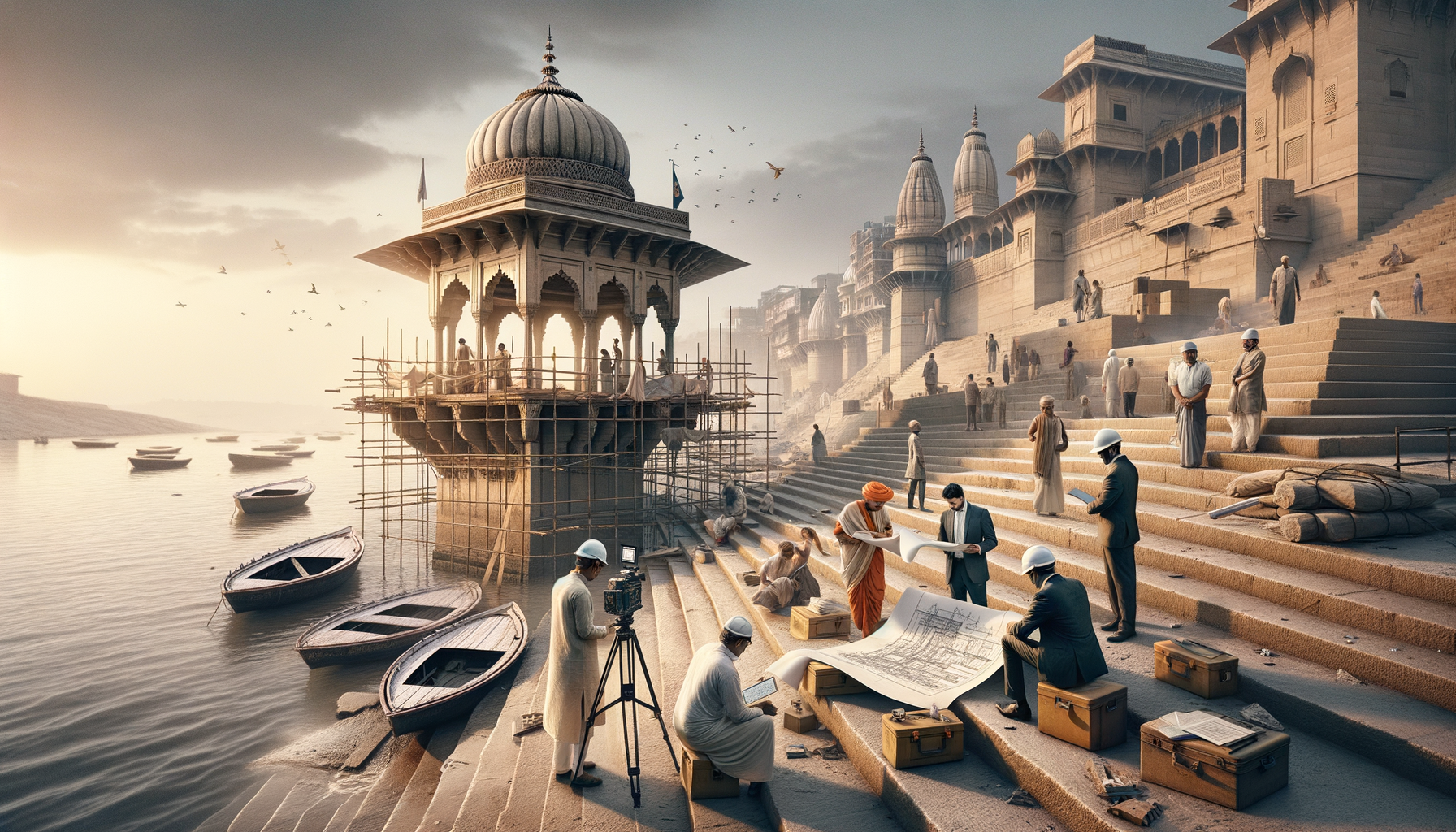
A constructive path forward is both possible and necessary. First, establish an independent review committee that includes conservation architects, structural engineers, representatives of dharmic traditions (Hindu, Buddhist, Jain, Sikh), local community leaders, legal experts, and river ecology specialists. Second, publish all relevant project documentstenders, drawings, permissions, audits, and method statementsto ensure public transparency. Third, stabilize and protect any vulnerable structures through reversible, minimally invasive measures while a comprehensive restoration plan is prepared.
Equally important are careful documentation and community engagement. High-resolution photographic and measured surveys, archival mapping, and oral-history collection can create a robust record of the ghat’s tangible and intangible heritage. Concurrently, structured consultations with ritual service communities and pilgrims can align restoration sequencing with daily rites, ensuring that sacred functions continue with dignity and safety.
The situation also tests stated commitments to heritage conservation and cultural stewardship. Given the prominence of Kashi in national consciousness, leadership at every levelincluding those associated with Prime Minister Narendra Modi and Chief Minister Yogi Adityanath’s public emphasis on protecting Varanasi’s heritagecan reinforce confidence by supporting a transparent review, enabling independent oversight, and ensuring that remedies are implemented without delay.
Preserving Manikarnika Ghat is a shared responsibility that transcends politics. Protecting sacred geographies benefits all dharmic communities by honoring living traditions, safeguarding cultural memory, and strengthening social cohesion. With accountability, technical rigor, and compassionate consultation, it is possible to transform present anxieties into a model of heritage restoration that unites people in purpose and practice.
The path to resolution is clear: establish facts, uphold due process, restore what can be restored, and communicate openly at every stage. By doing so, authorities and communities alike can ensure that Varanasi’s most storied ghat remains an enduring symbol of continuity, reverence, and unity across India’s dharmic traditions.
Inspired by this post on Struggle for Hindu Existence.