
-
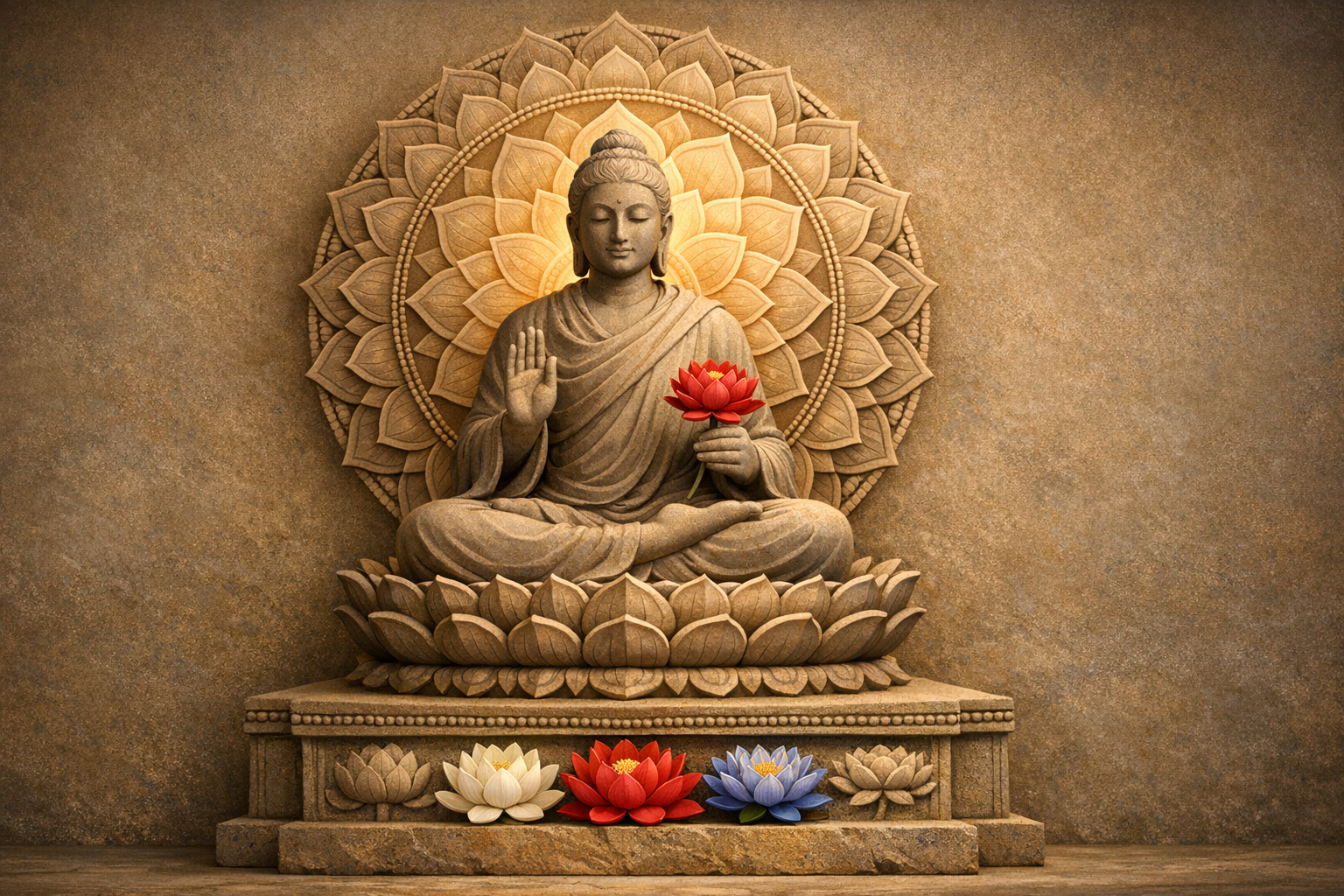
Padma in Hindu Sculptures: The Lotus as Cosmic Throne, Purity Symbol, and Living Geometry
Read more: Padma in Hindu Sculptures: The Lotus as Cosmic Throne, Purity Symbol, and Living GeometryThis in-depth guide decodes how the lotus (padma) functions in Hindu sculptures as attribute, throne, halo, and yogic sign, translating sacred meaning into readable form. Readers learn to distinguish bud, half-bloom, and full bloom, recognize color symbolism, and spot double-lotus pedestals with confidence in temples and museums. Clear references to Shilpa Shastra canons show how…
-
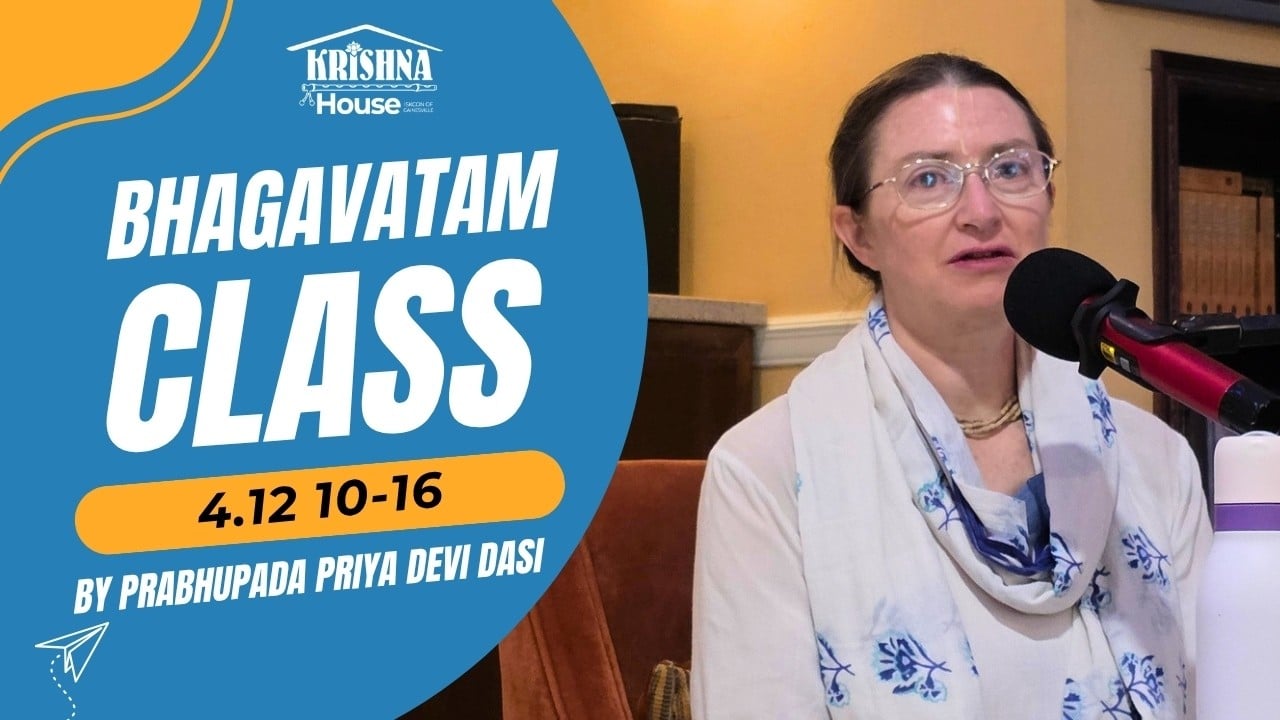
Lead with Devotion, Live Unattached: Dhruva Maharaja’s Lessons in Bhagavatam 4.12 (10–16)
Read more: Lead with Devotion, Live Unattached: Dhruva Maharaja’s Lessons in Bhagavatam 4.12 (10–16)Bhagavatam 4.12 (10–16) presents Dhruva Maharaja as a saint-king who unites devotion with rāja-dharma, demonstrating how to lead decisively while remaining inwardly detached. The passage operationalizes the Bhagavad-Gita’s counsel to act and remember simultaneously, turning smaraṇaṁ into a discipline that purifies action at its source. Readers gain a practical, stepwise protocol—establish attention with śravaṇa-kīrtana, return…
-
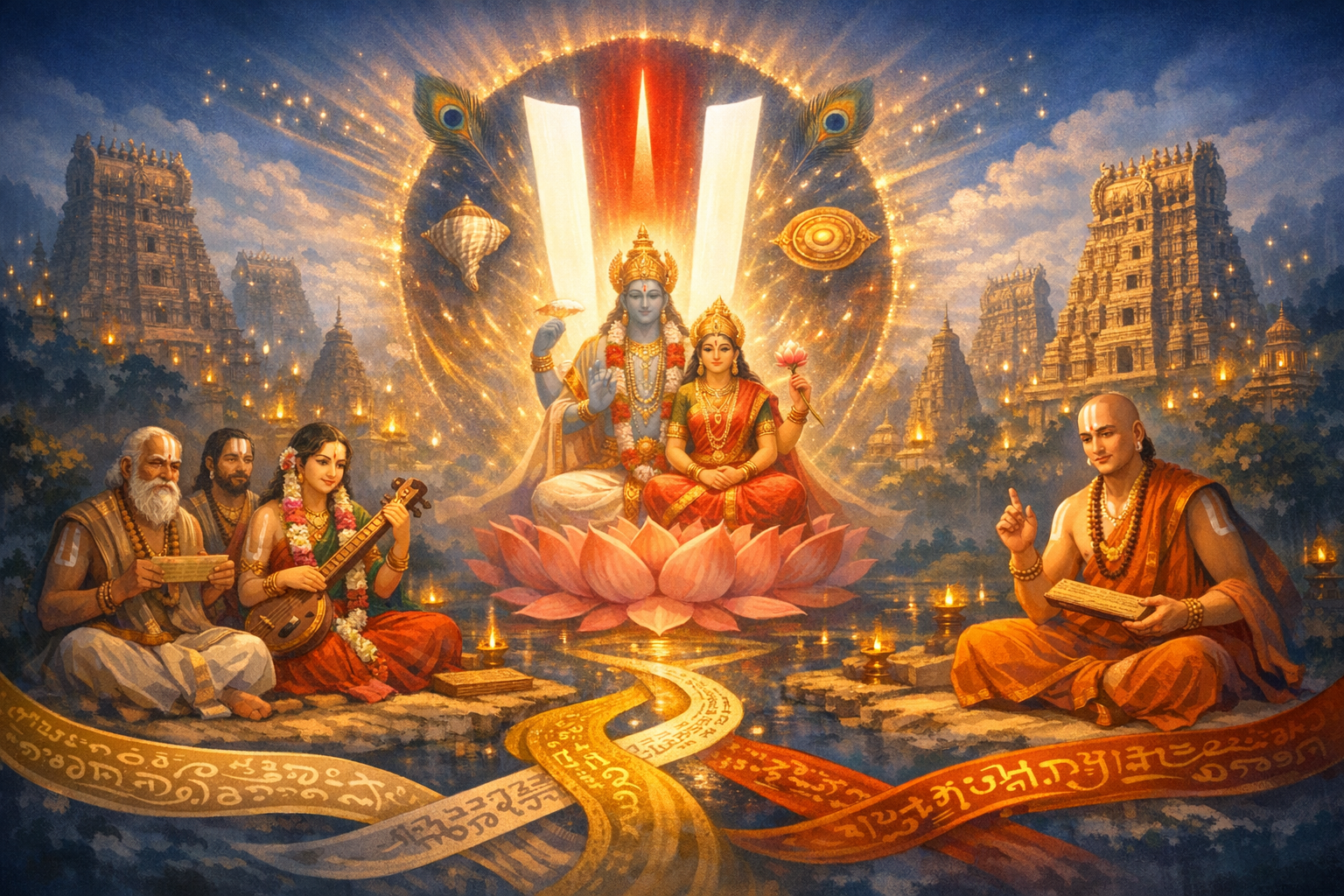
Azhwars and Ramanujacharya: Timeless Bhakti, Living Vedanta, and the Path of Grace
Read more: Azhwars and Ramanujacharya: Timeless Bhakti, Living Vedanta, and the Path of GraceThis comparative study explores how the Azhwars and Ramanujacharya jointly shape the Sri Vaishnava tradition by uniting ecstatic devotion with systematic Vedanta. It situates the Azhwars’ Divya Prabandham and Ramanuja’s Viśiṣṭādvaita within one inclusive, Ubhaya Vedanta canon that values both Tamil and Sanskrit revelation. Readers gain a clear map of similarities—Vishnu’s supremacy, Sri’s compassion, bhakti…
-
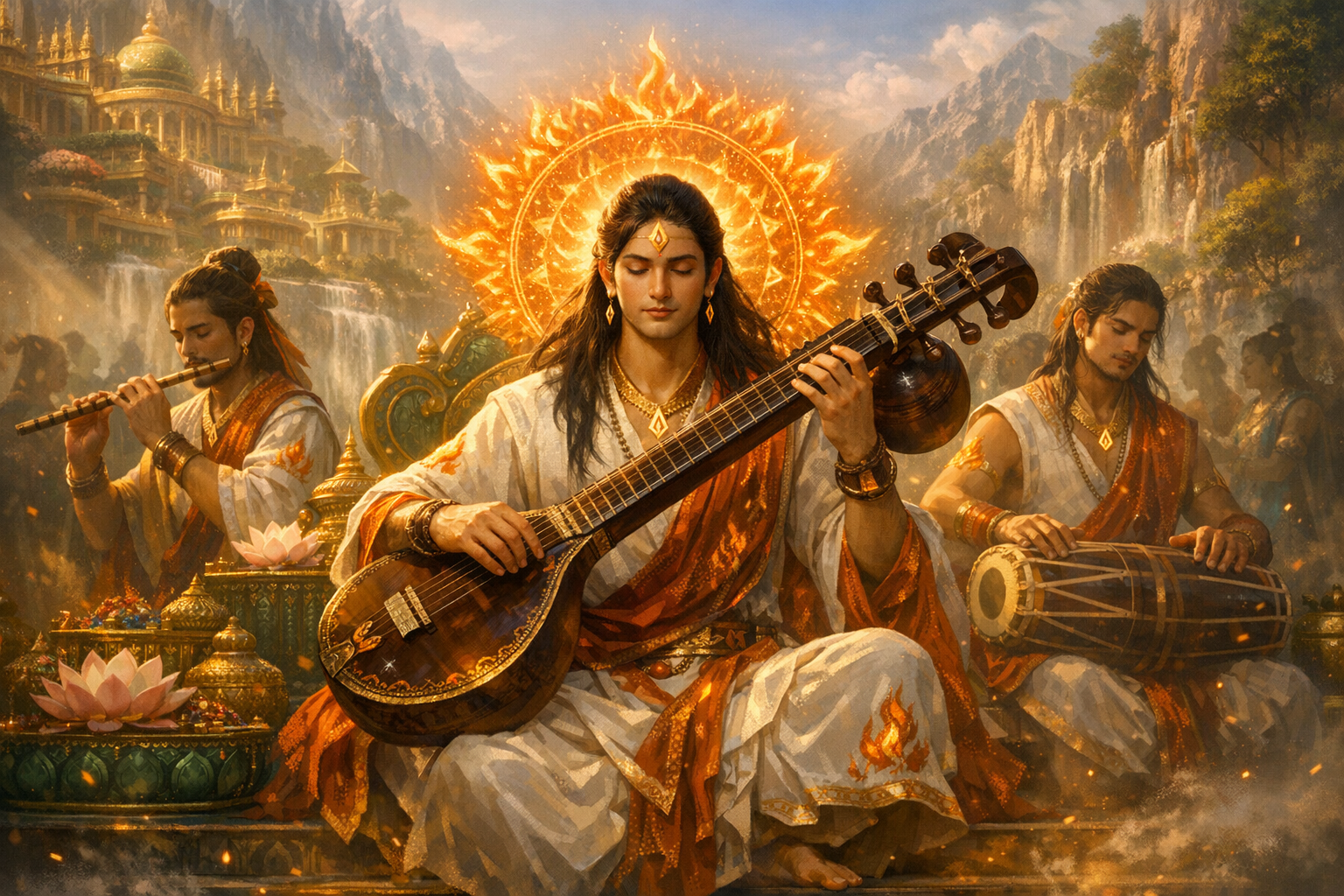
Agneyas among the Gandharvas: Timeless Insights into Kubera’s Celestial Musicians
Read more: Agneyas among the Gandharvas: Timeless Insights into Kubera’s Celestial MusiciansThis article examines the Agneyas as a Gandharva collective in Hinduism, drawing on Puranic and allied textual traditions to clarify their identity as celestial musicians and attendants in divine courts. It explains how several narratives place the Agneyas in the orbit of Kubera (Vaiśravaṇa), the god of wealth and guardian of the northern direction, where…
-
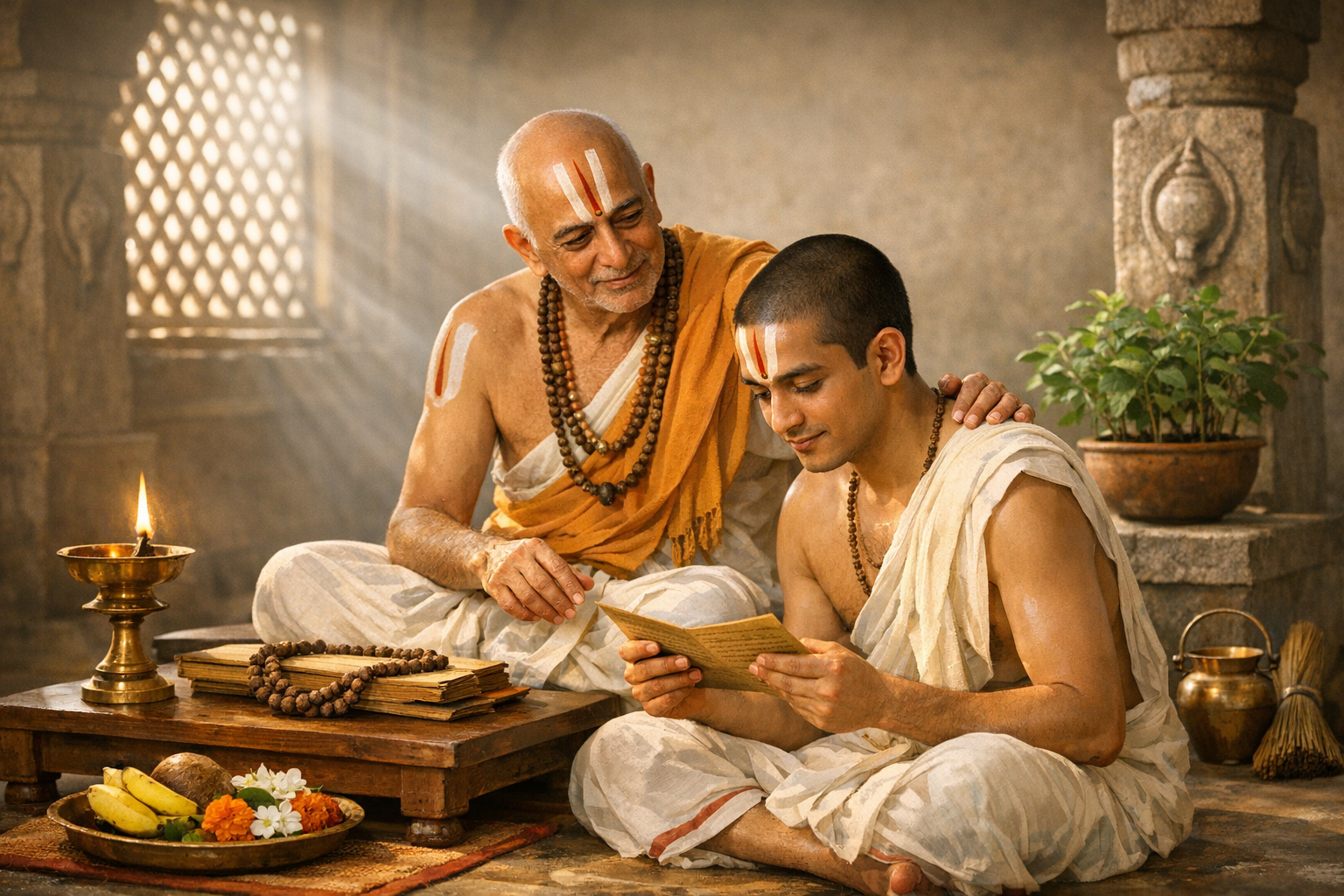
Acharya Periyavachanpillai and the ‘Dull-Headed’ Disciple: When Guru’s Grace Unlocks Genius
Read more: Acharya Periyavachanpillai and the ‘Dull-Headed’ Disciple: When Guru’s Grace Unlocks GeniusThis essay explores a classic Sri Vaishnava teaching story—Acharya Periyavachanpillai guiding a so-called “dull-headed” devotee—to illuminate how Guru’s Blessings align with disciplined effort to unlock understanding. It situates the episode within the Ramanujacharya lineage, drawing out doctrinal themes such as śabda-pramāṇa, bhakti, and prapatti. It then shows how mantra, seva, and structured study purify the…
-

Samavayikarana Unveiled: The Inherent Cause Shaping Reality in Nyaya-Vaisheshika Thought
Read more: Samavayikarana Unveiled: The Inherent Cause Shaping Reality in Nyaya-Vaisheshika ThoughtSamavayikarana—the “inherent cause”—explains why effects are inseparably constituted by their material parts, as in the classic example of cloth and threads. Rooted in the Nyaya-Vaisheshika account of Samavaya (inherence), it distinguishes three cooperating causes: Samavayi (material), Asamavayi (non-inherent), and Nimitta (efficient). The framework solves regress worries by treating Samavaya as a sui generis, ultimate relation,…
-

Introducing Jainism to a Non‑Jain Partner: Research‑Backed, Ahimsa‑Centered Guide to Harmony
Read more: Introducing Jainism to a Non‑Jain Partner: Research‑Backed, Ahimsa‑Centered Guide to HarmonyThis research-backed guide shows how to introduce Jainism to a non-Jain partner through ethics-first dialogue, practical routines, and emotionally intelligent communication. It explains core doctrines—ahimsa, anekantavada, aparigraha, karma theory, and the nine tattvas—without jargon, then translates them into workable household practices. Readers learn how to approach Samayik and Pratikraman together, navigate Jain diet and kitchen…
-
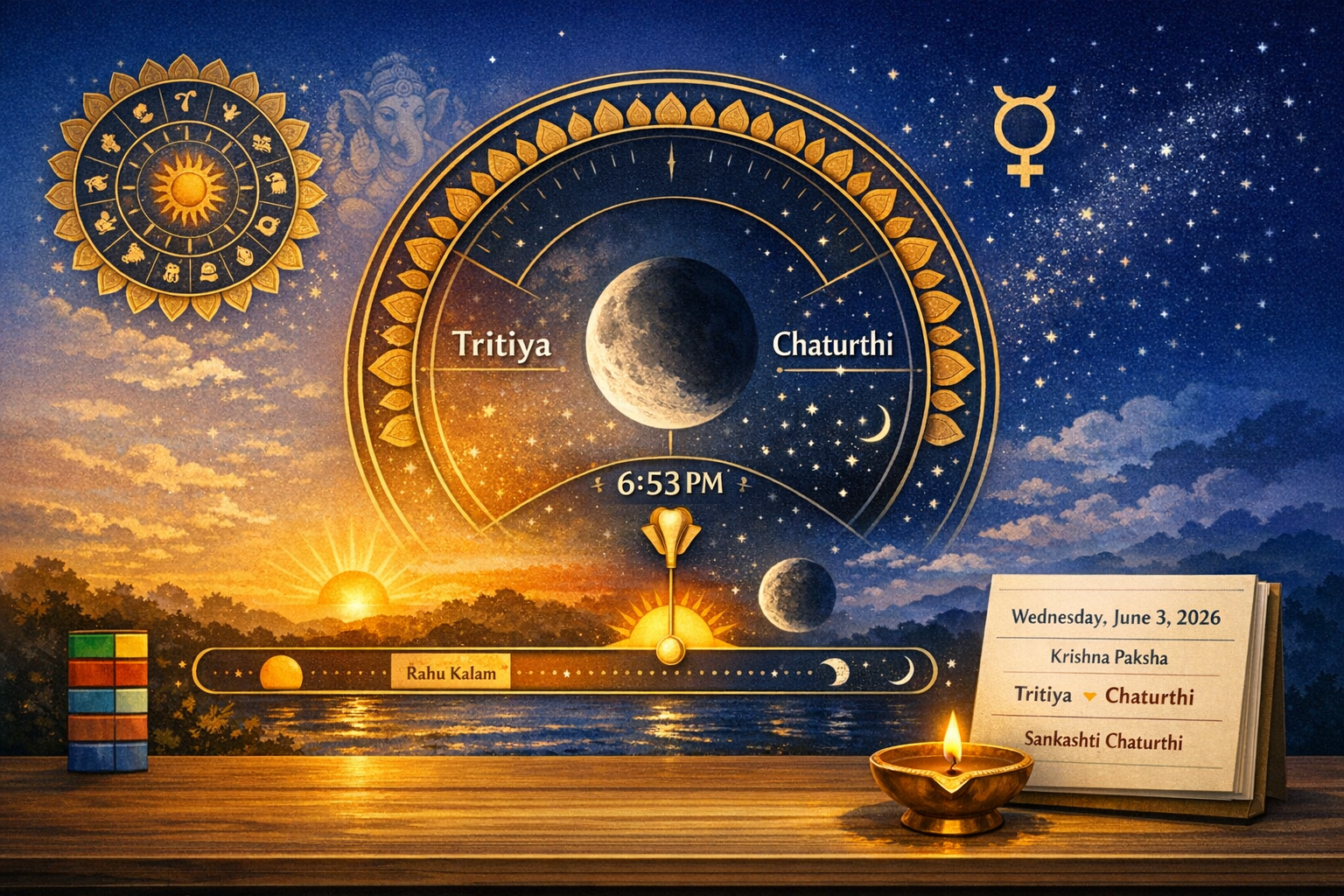
June 3, 2026 Panchang: Krishna Paksha Tritiya→Chaturthi, Auspicious Times, Nakshatra, Rashi
Read more: June 3, 2026 Panchang: Krishna Paksha Tritiya→Chaturthi, Auspicious Times, Nakshatra, RashiOn Wednesday, June 3, 2026, the Panchang shows Krishna Paksha Tritiya until 6:53 PM, after which Krishna Paksha Chaturthi prevails through the night. The guide explains how tithi works astronomically, why regional Panchangs sometimes differ, and how to use weekday qualities and protective windows like Rahu Kalam, Yamaganda, and Gulika. It clarifies the practical impact…
-
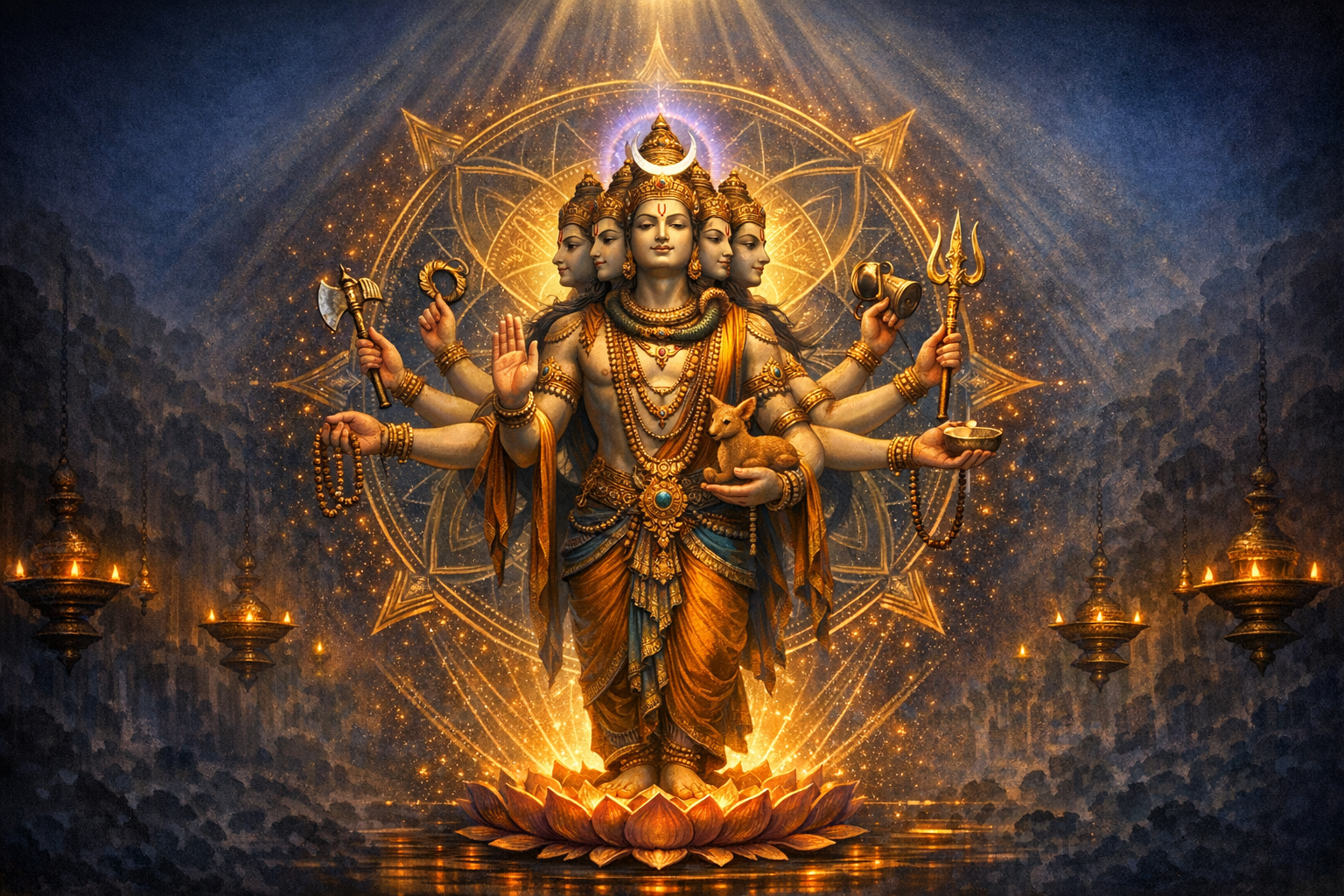
Dashabhujeshwara Decoded: Five-Faced, Ten-Armed Shiva—Iconography, Mantras, Ritual Power
Read more: Dashabhujeshwara Decoded: Five-Faced, Ten-Armed Shiva—Iconography, Mantras, Ritual PowerShiva’s Dashabhujeshwara form—five-faced and ten-armed—embodies the Pañcabrahma theology in which one Absolute performs five cosmic acts: creation, sustenance, dissolution, concealment, and grace. Drawing on the Śiva Purāṇa, Āgamas, and Śilpa-Śāstras, this explainer clarifies how each face (Tatpuruṣa, Aghora, Vāmadeva, Sadyojāta, Īśāna) aligns with directions, mantras, and meditative practice. It decodes the ten arms as sovereignty…
-
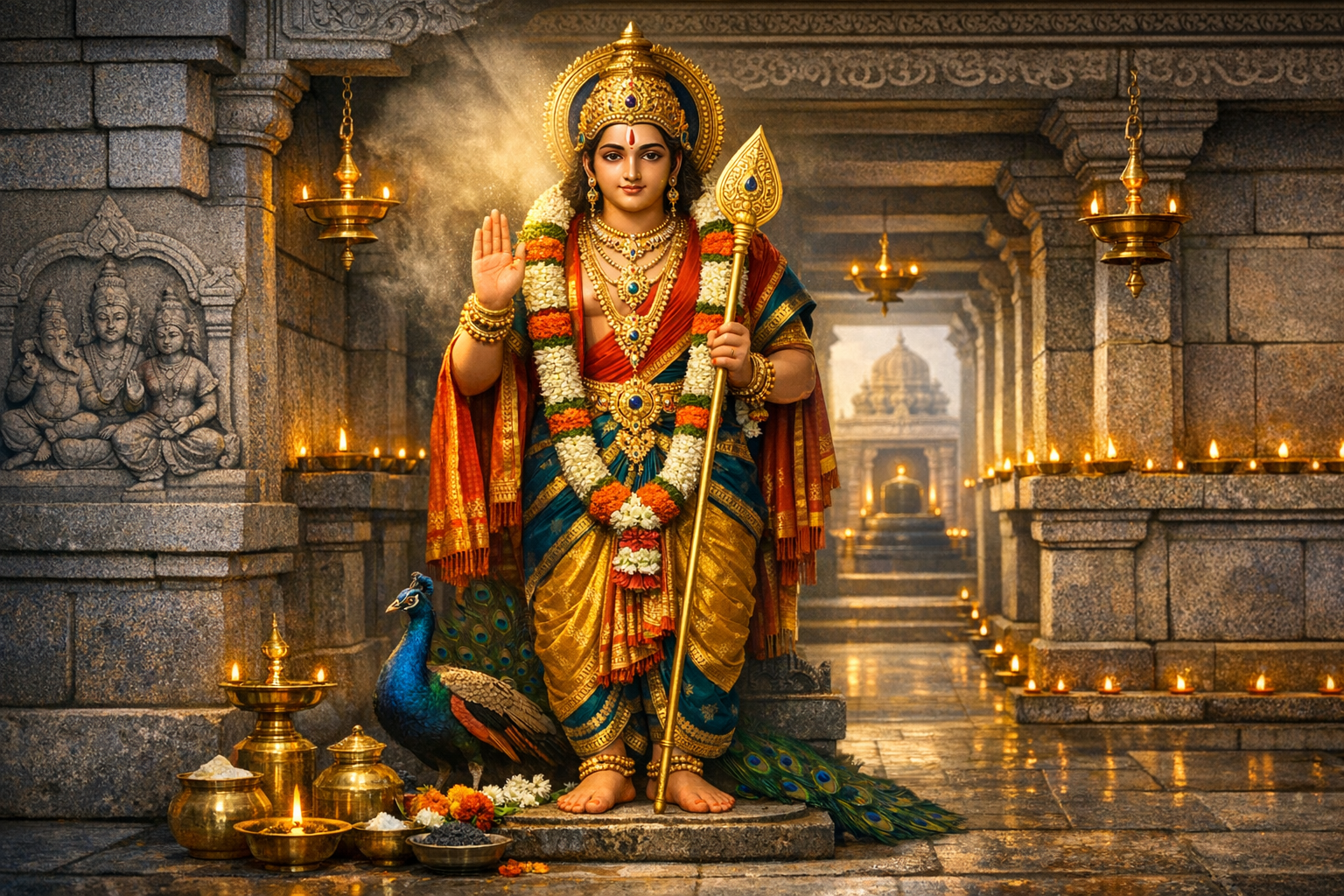
Adhi Kandhanatha Swamy of Erakaram: Murugan’s Abhaya Grace, History, Architecture, Rituals
Read more: Adhi Kandhanatha Swamy of Erakaram: Murugan’s Abhaya Grace, History, Architecture, RitualsAdhi Kandhanatha Swamy Temple, Erakaram, presents a distinct Murugan shrine aligned behind a Shiva temple, highlighting Tamil Saiva-Agamic Temple Architecture and the Somaskanda ideal. The standing murti with abhaya hastam communicates protection and spiritual assurance, drawing devotees seeking courage, clarity, and peace. The shrine’s association with Arunagirinathar’s Thirupukazh embeds a rich musical-liturgical tradition that educates…
-
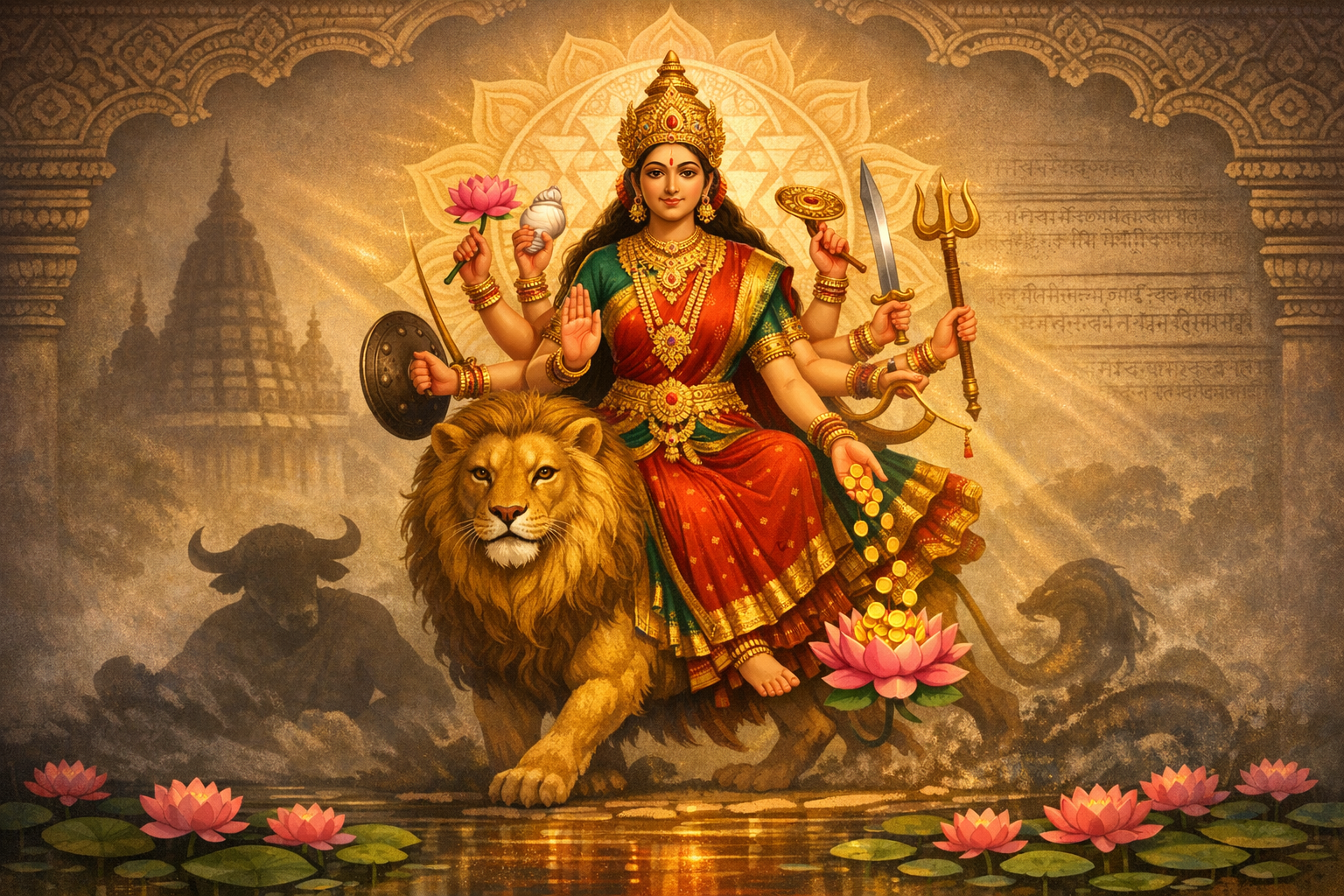
Did Goddess Lakshmi Slay Demons? Scriptural Evidence on Kolhasura and Mahishasura
Read more: Did Goddess Lakshmi Slay Demons? Scriptural Evidence on Kolhasura and MahishasuraDid Goddess Lakshmi slay demons? Scriptural and regional traditions answer yes in her fierce Mahalakshmi form. The Skanda Purana’s Karavira Mahatmya narrates Mahalakshmi (Ambabai) defeating Kolhasura at Kolhapur, while the Devi Mahatmya’s Mahishasuramardini cycle—often assimilated devotionally to Mahalakshmi—captures the goddess’s triumph over Mahishasura. This article clarifies how Śrī-Lakshmi’s benevolent identity and Mahalakshmi’s protective power coexist…
-
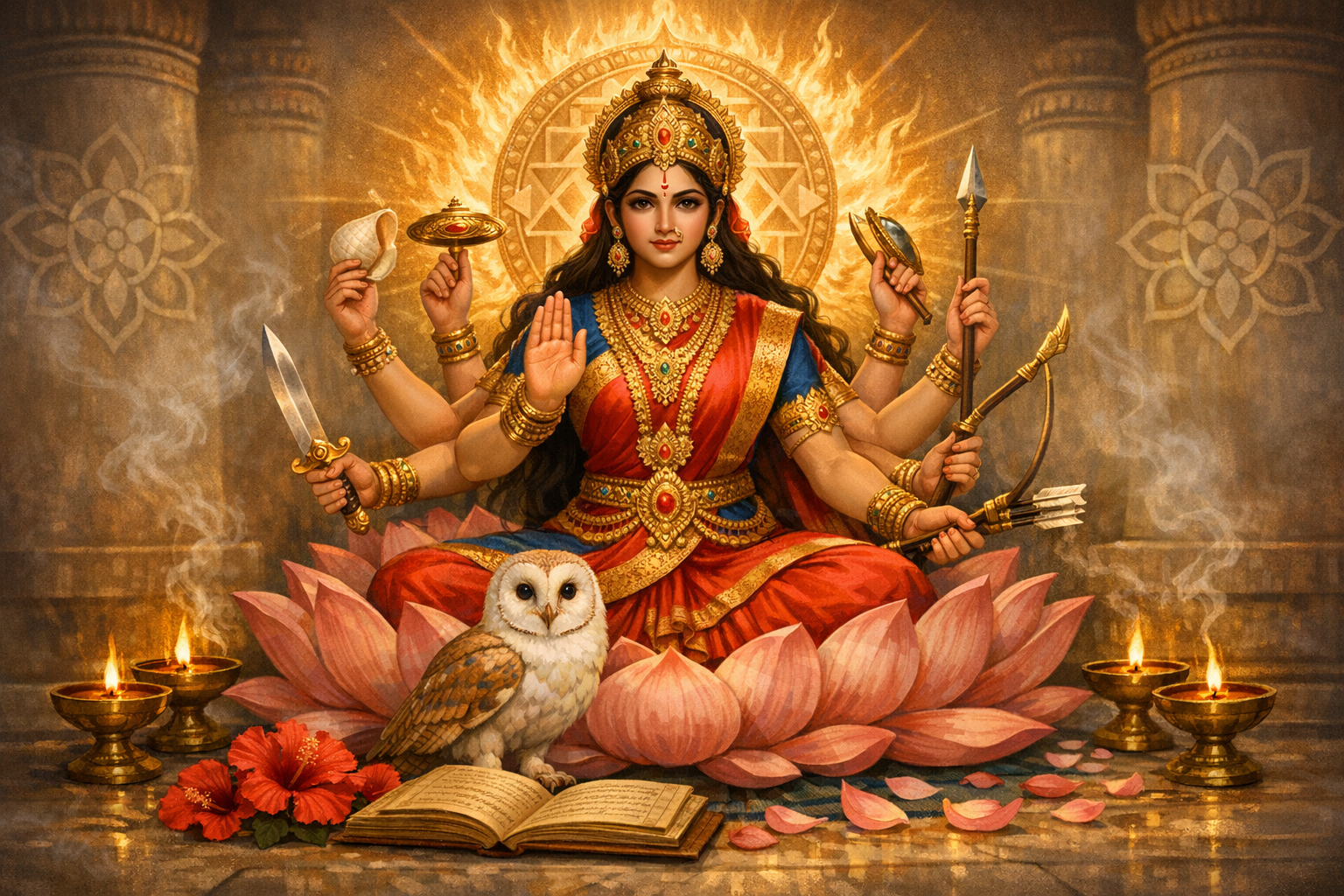
Ugra Lakshmi Unveiled: Fierce Iconography, Tantric Theology, and Living Rituals of Protective Grace
Read more: Ugra Lakshmi Unveiled: Fierce Iconography, Tantric Theology, and Living Rituals of Protective GraceThis comprehensive study explores the fierce (ugra) manifestations of Goddess Lakshmi through iconography, tantric theology, and living ritual practice. It clarifies that ugra, far from implying aggression, denotes vigilant, protective radiance aligned with dharma. Drawing from the Śrī Sūkta, Purāṇic hymns, the Lakṣmī Tantra, and the Devī Māhātmya, it maps how Lakshmi’s compassion assumes martial…
-

The Eleven Forms of Goddess Kali: Fierce Compassion, Iconography, and Living Devotion
Read more: The Eleven Forms of Goddess Kali: Fierce Compassion, Iconography, and Living DevotionThis article explores the eleven forms (Ekadasha) of Goddess Kali as preserved in Bengali and eastern Indian Shakta traditions. It situates each form—Adya, Dakshina, Shyama, Bhadra, Smasana, Raksha, Siddha, Guhya, Hansa, Bhima, and Chamunda—within clear iconography, ritual practice, and philosophical meaning. Readers learn how the Goddess embodies both gentle reassurance and fierce compassion, guiding household…
-
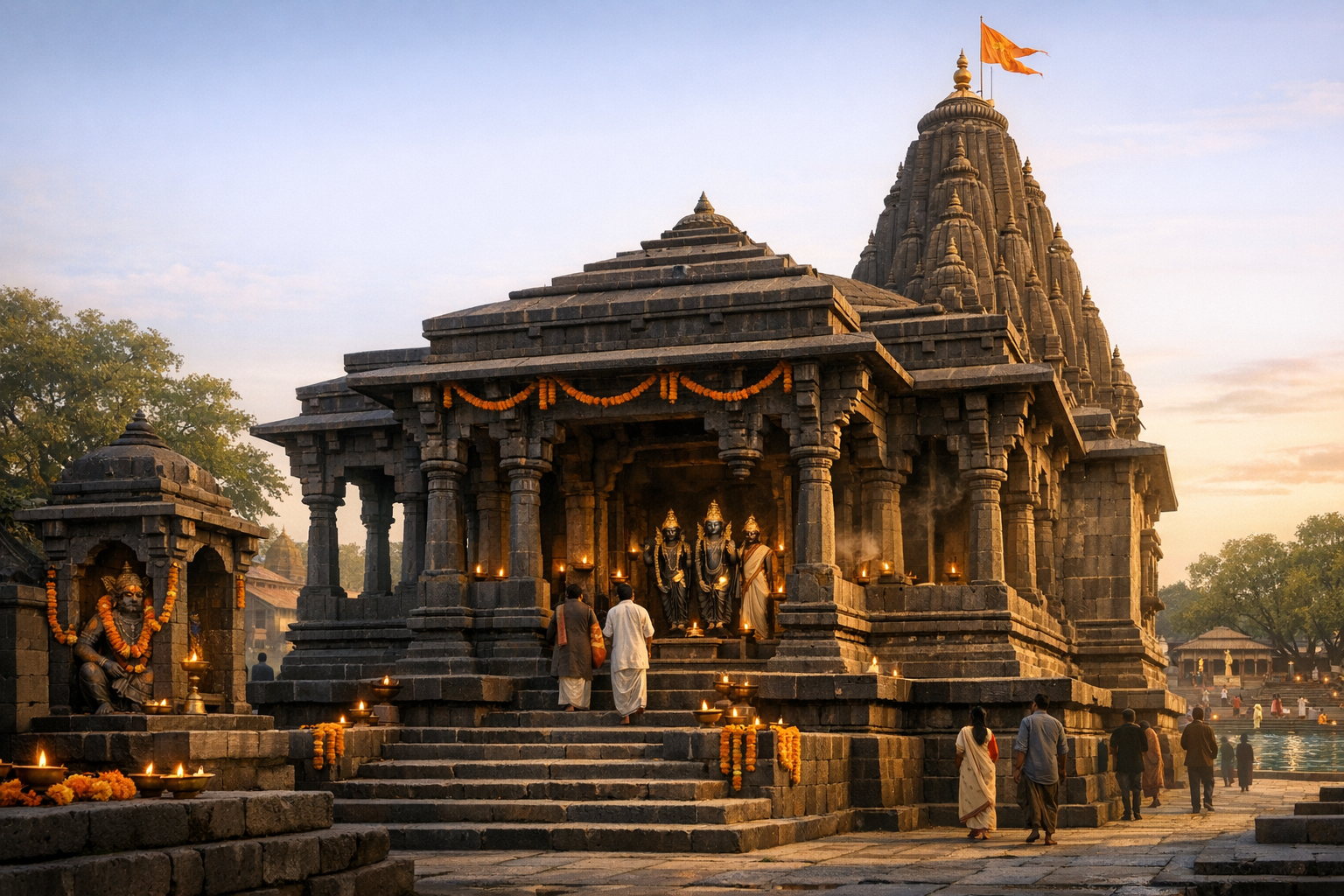
Kalaram Mandir, Nashik: Sacred Origins, Peshwa-Era Grandeur, and the Legacy of Panchavati
Read more: Kalaram Mandir, Nashik: Sacred Origins, Peshwa-Era Grandeur, and the Legacy of PanchavatiKalaram Mandir in Panchavati, Nashik, is a landmark of Rama-bhakti and Peshwa-era craftsmanship renowned for its black stone murti of Bhagavan Sri Rama with Mata Sita and Lakshmana. Local tradition venerates the deity as swayambhu, with the temple’s late-18th-century construction attributed to Sardar Rangarao Odhekar. Set within the Ramayana-rich landscape of Ramkund, Sita Gufa, and…
-

Overcoming Self‑Sabotage: How the Brain Mistakes Safety for Threat—and What Actually Works
Read more: Overcoming Self‑Sabotage: How the Brain Mistakes Safety for Threat—and What Actually WorksA subtle form of self-sabotage often emerges not as dramatic collapse but as micro-avoidances that appear rational in the moment. This long-form analysis explains why the brain can misread calm and success as threats, drawing on predictive processing, allostatic load, attachment patterns, and approach–avoidance conflict. It translates evidence-based methods—graded exposure, implementation intentions, WOOP, and self-compassion—into…
-
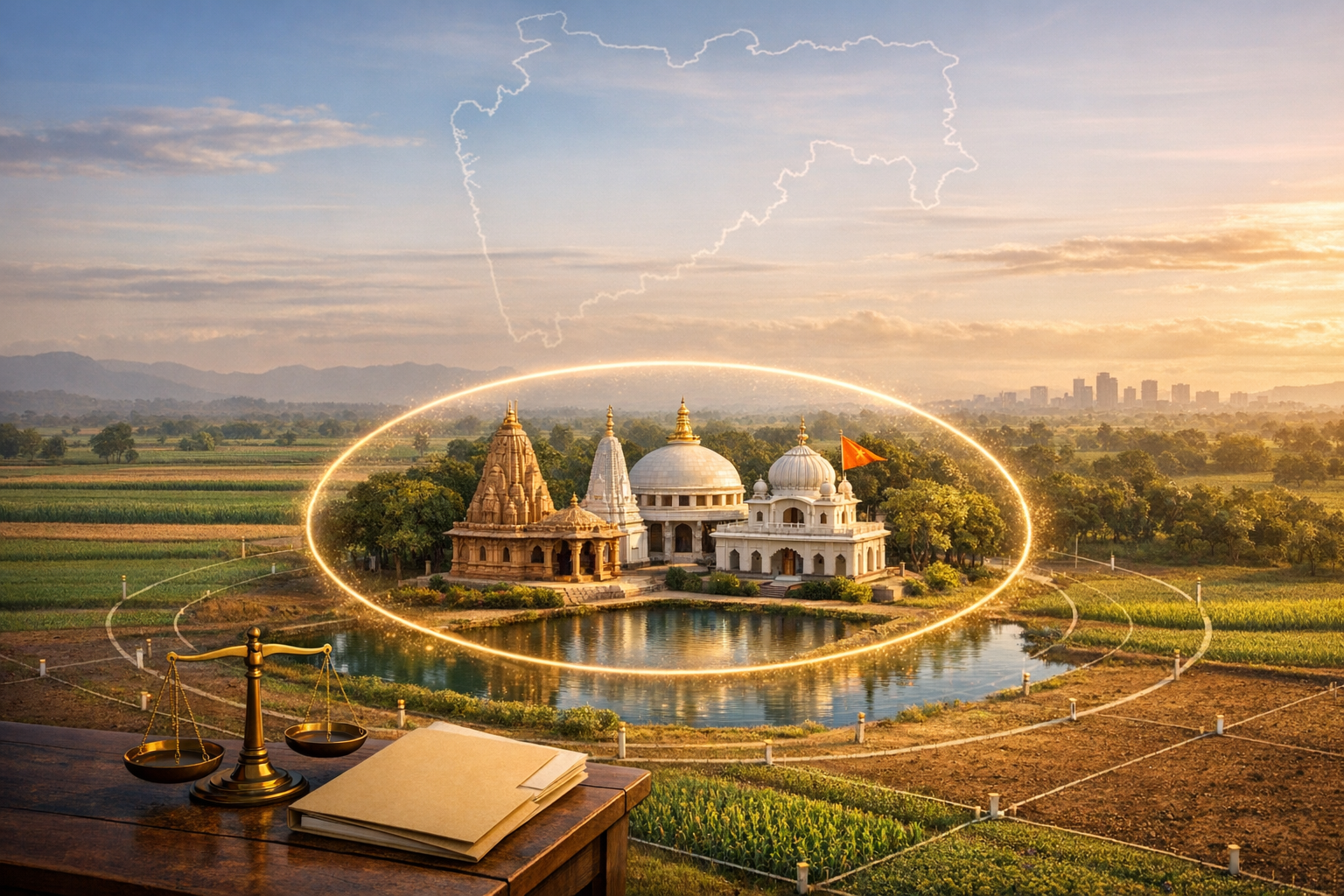
Maharashtra’s Devasthan Inam Abolition Draft Act 2026: Why Temple Lands Must Be Protected Now
Read more: Maharashtra’s Devasthan Inam Abolition Draft Act 2026: Why Temple Lands Must Be Protected NowMaharashtra’s Devasthan Inam Abolition Draft Act 2026 seeks to alter how temple and other dharmic institutions sustain religious and charitable work by targeting endowed lands. Devasthan inams historically funded daily worship, festivals, and social services; abolishing them risks fragmenting sacred endowments and destabilizing predictable income. The constitutional framework—particularly Article 26—protects denominational autonomy to own and…
-

Hanuman’s Honeybee Stratagem: Foiling Mahiravana in Patala to Save Rama and Lakshmana
Read more: Hanuman’s Honeybee Stratagem: Foiling Mahiravana in Patala to Save Rama and LakshmanaThis long-form analysis narrates how Hanuman’s honeybee form and Panchamukhi manifestation foil Mahiravana’s Patala ritual to rescue Rama and Lakshmana. It situates the episode in later and regional Ramayana traditions, clarifying its relationship to Valmiki while highlighting its wide cultural reception in performance and temple iconography. The essay unpacks Patala cosmology, the five-lamp life-bond, and…
-
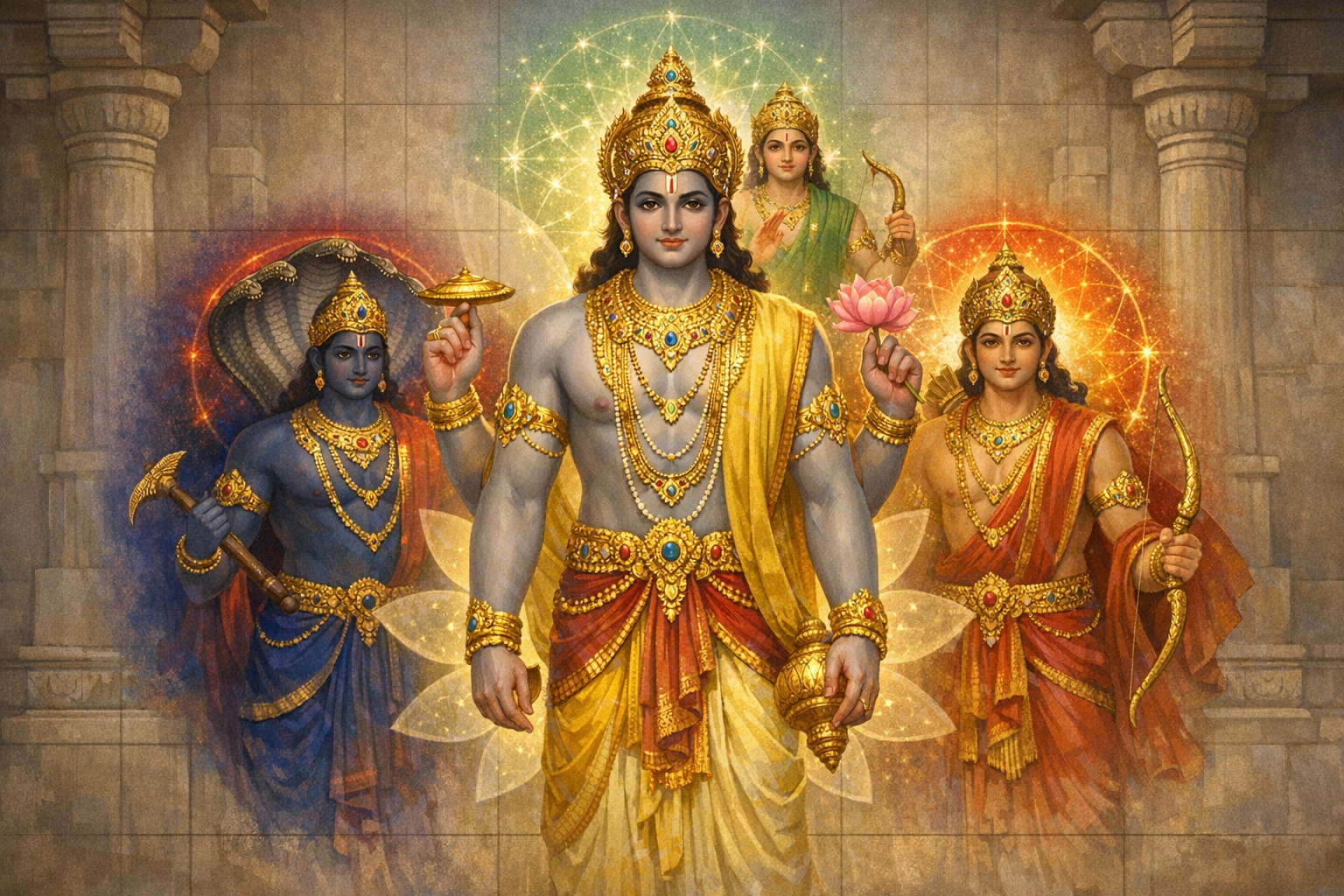
Decoding Vishnudharmottara Purana: The Awe-Inspiring Vyuha Manifestations of Vishnu
Read more: Decoding Vishnudharmottara Purana: The Awe-Inspiring Vyuha Manifestations of VishnuThis article decodes the Vyuha doctrine of Vaishnava theology through the lens of the Vishnudharmottara Purana and the Pancharatra–Vaikhanasa traditions. It explains the fourfold emanations—Vasudeva, Sankarshana, Pradyumna, and Aniruddha—and the classical distribution of the six divine excellences across them. It shows how the Purana’s image-making canons turn metaphysics into clear, teachable iconography, especially in Caturvyuha…
-
From Mumbai Dawn to Metaphysics: Resolving to Live by the Soul (jivatma) with Clarity
Read more: From Mumbai Dawn to Metaphysics: Resolving to Live by the Soul (jivatma) with ClarityThis essay reframes an ordinary Mumbai dawn as an entry point into a rigorous inquiry about jivatma—the soul—as treated in Hindu philosophy and Vedanta. It explains why the soul hypothesis remains philosophically plausible through identity continuity, the hard problem of consciousness, and the reality of normativity and agency. Readers gain a comparative view across dharmic…
-
Seeing the Divine Clearly: Krishna’s Form, Shastra, and Unity Across Dharmic Paths
Read more: Seeing the Divine Clearly: Krishna’s Form, Shastra, and Unity Across Dharmic PathsA precise, sastra-grounded portrait of the Divine emerges in the Krishna-bhakti tradition without negating other dharmic pathways. Drawing on descriptions such as Syamasundara Krishna as Muralidhara—venum kvanantam, with lotus eyes and Barhavatamsa—the article explains how iconography encodes theology and cultivates transformative devotion. It outlines the epistemic triad of sastra, reason, and realized experience, and shows…
-

Krishna’s Personal Descent on Earth: Scriptural Evidence, Bhakti Practice, and Dharmic Unity
Read more: Krishna’s Personal Descent on Earth: Scriptural Evidence, Bhakti Practice, and Dharmic UnityThis in-depth exploration examines the Vaishnava conviction that Lord Krishna personally descended to Earth, situating the claim within scriptural sources (Bhagavad Gita, Bhagavata Purana, Brahma-samhita) and the technical doctrine of avatara-tattva. It shows how Gaudiya concepts like achintya-bheda-abheda map divine unity and plurality, while the yuga-dharma of nama-sankirtana translates theology into transformative practice. Using the…
-

Bhai Kanhaiya, the Sikh Water Bearer: Radical Compassion That Saw No Enemy
Read more: Bhai Kanhaiya, the Sikh Water Bearer: Radical Compassion That Saw No EnemyThis essay examines Bhai Kanhaiya—the Sikh “water bearer who saw no enemy”—as a rigorous case study in applied ethics, humanitarian neutrality, and dharmic universality. Set against the sieges around Anandpur in the early 1700s, it analyzes how Guru Gobind Singh’s endorsement of impartial care for the wounded institutionalized seva as the ethical spine of the…
-
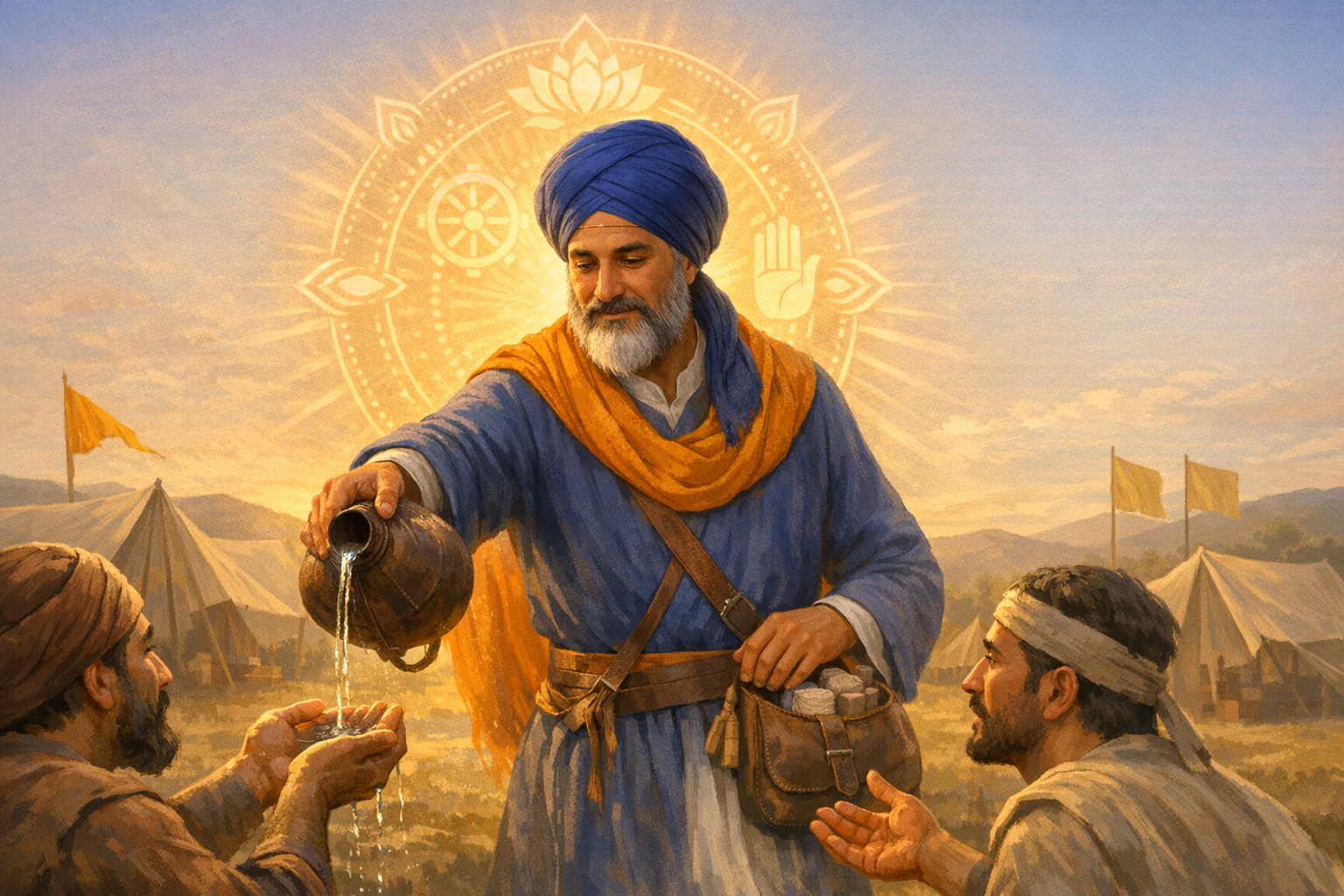
Bhai Kanhaiya Ji: Sevapanthi Saint Who Healed Friend and Foe, Inspiring Interfaith Unity
Read more: Bhai Kanhaiya Ji: Sevapanthi Saint Who Healed Friend and Foe, Inspiring Interfaith UnityBhai Kanhaiya Ji (1648–1718) is revered in Sikh history for serving water and aid to all the wounded—friend and foe—during the battles around Anandpur Sahib, earning explicit endorsement from Guru Gobind Singh. His example seeded the Sevapanthi tradition, which institutionalized non-sectarian seva through hospices, piyaus, and relief networks. This essay situates his life within the…
-

Why Balarama Wears Blue: Profound Symbolism of Strength, Serenity, and Seva Revealed
Read more: Why Balarama Wears Blue: Profound Symbolism of Strength, Serenity, and Seva RevealedBalarama’s fair form and blue garment, described in the Bhagavata tradition, operate as a visual theology encoding strength, serenity, and selfless service. The Sanskrit color terms nīla, śyāma, and pīta clarify the chromatic contrast with Krishna and convey deeper cosmological moods. Vaishnava exegesis links Balarama’s blue attire to his identities as ādi-guru, Ananta Śeṣa, and…
Categories
- Agriculture (20)
- Akhand Bharat (30)
- Aryan Migration -vs- Out of India (8)
- Ayurveda (20)
- Celebrations (882)
- Community (150)
- Community Events (228)
- Cross Posted (105)
- Cultural Advocacy (33)
- Cultural Commentary (61)
- Cultural Heritage (555)
- Cultural Insights (142)
- Cultural Issues (29)
- Cultural Traditions (757)
- Culture (33)
- Economics (22)
- Education (151)
- Geo-Politics (60)
- History (377)
- Indian Authors (6)
- International Trade (8)
- Labor Market (8)
- Literature (97)
- News (618)
- Opinion Pieces (143)
- Personal Reflections (161)
- Personalities (186)
- Philosophy (1,036)
- Politics (208)
- Scripts (3)
- Scriptures (973)
- Spiritual Insight (3,204)
- Spirituality (750)
- Temples (729)
- Tribute (65)
- Uncategorized (6)
- Yoga (103)
Archive