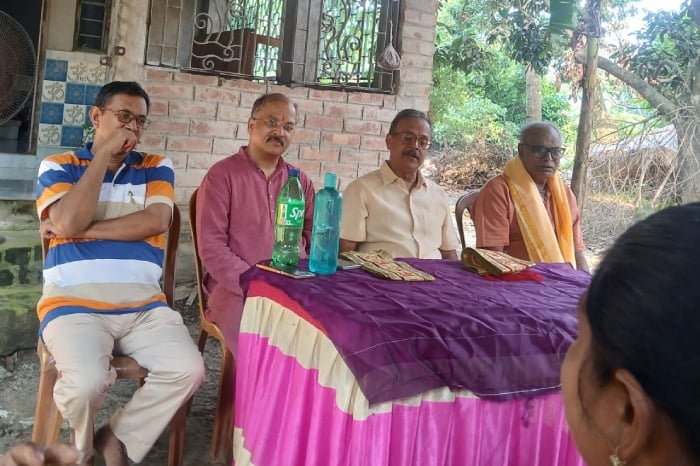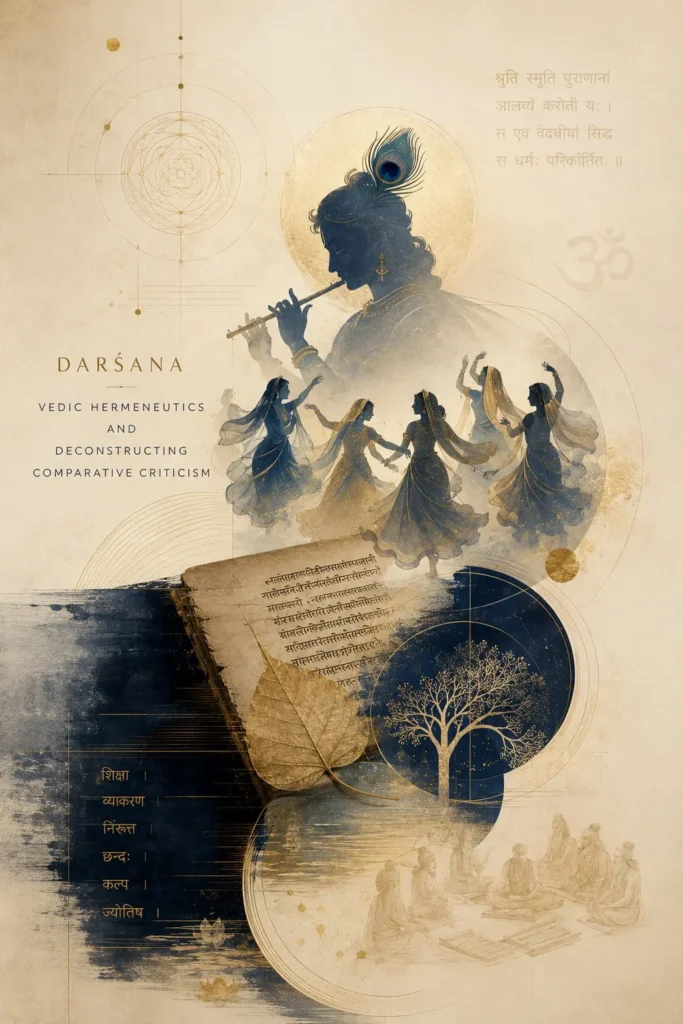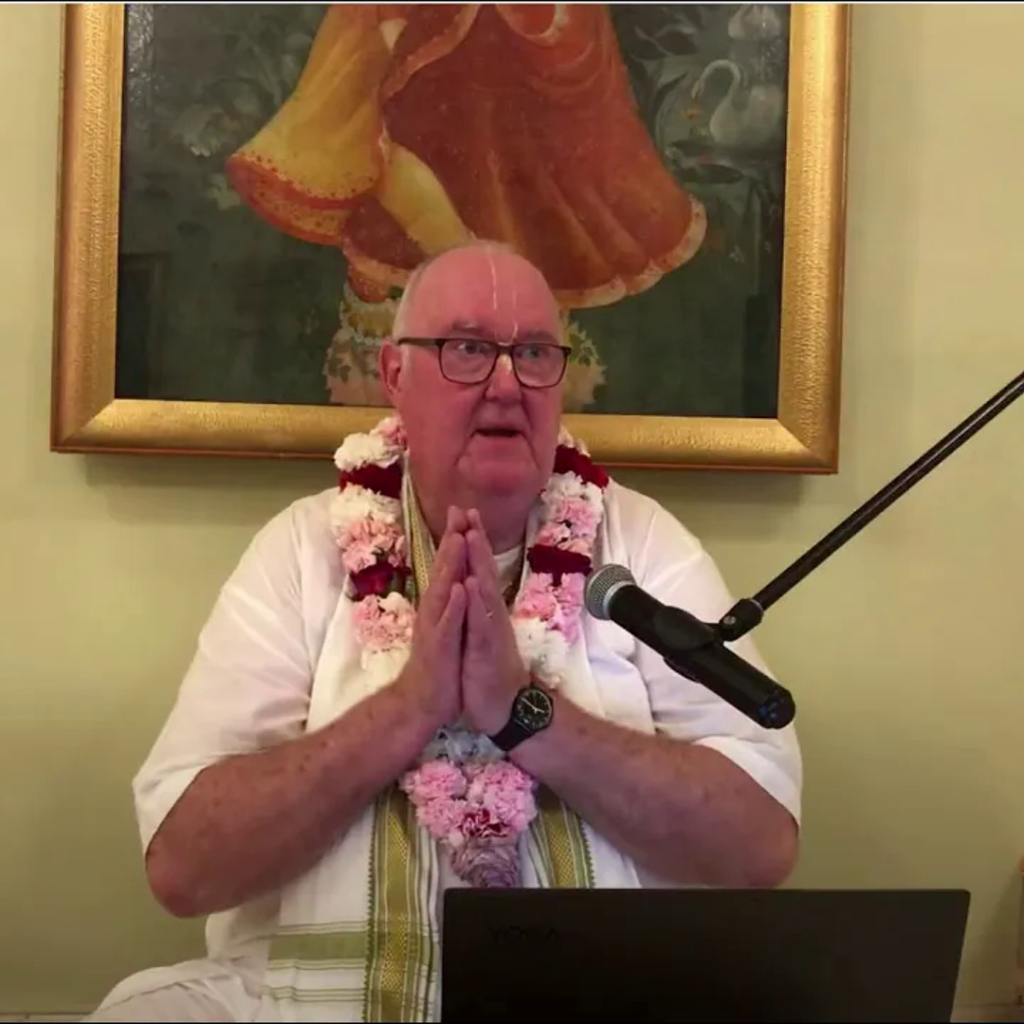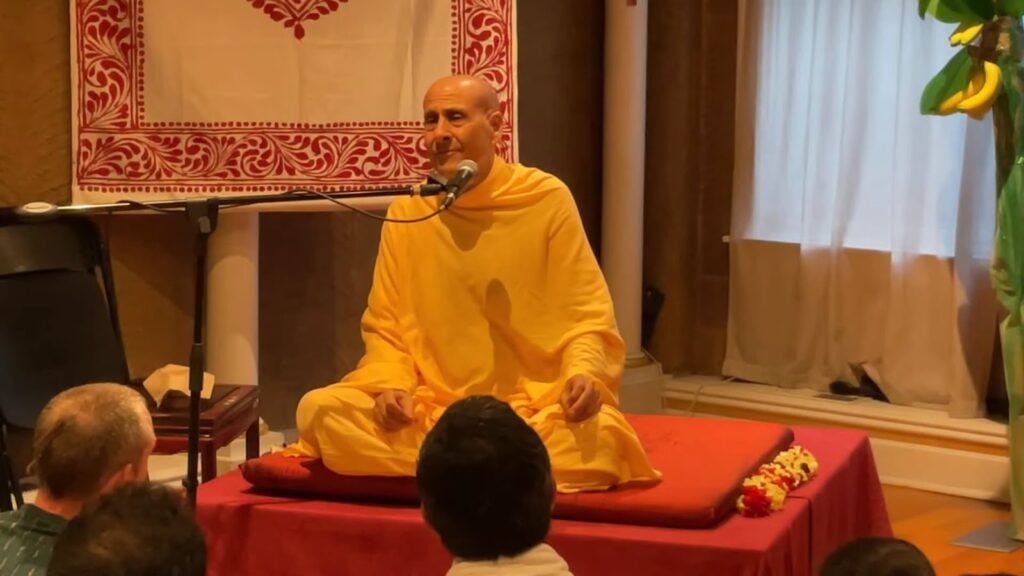
The assertion that “Lord Krishna has personally appeared on this planet” stands at the heart of Vaishnava theology and continues to animate living traditions across the world. In 2026, the Friends Forever Sadhu Sanga Retreat 2026 in NOLAespecially visible through Day 4 gatheringsoffered a contemporary, community-based lens on this perennial conviction, weaving scriptural study, kirtan, and shared devotion into a coherent experience of bhakti. Examined academically, this claim entails a dense framework of texts, doctrines, and practices that link metaphysical principles with social cohesion and inner transformation.
Within the Sanskritic canon, the Bhagavad Gita (4.7–8) articulates the avatara doctrine: whenever dharma declines and adharma rises, the Divine manifests to reestablish cosmic and ethical order. The Srimad-Bhagavatam (notably 1.3.28) advances the Gaudiya Vaishnava conviction that Krishna is “svayam Bhagavan”the primeval, complete divinityrather than a derivative expansion. The Brahma-samhita (5.1) consolidates this vision by describing Krishna as the supreme controller with an eternal, conscious, and blissful form (sac-cid-ananda-vigraha). These sources, read together, frame the statement of Krishna’s personal descent as a carefully reasoned theological position rather than a casual devotional claim.
Avatara-tattva, the technical account of divine descent, delineates multiple modalities through which the Divine engages the world: purusha-avataras governing creation, maintenance, and dissolution; guna-avataras harmonizing the qualities of sattva, rajas, and tamas; lila-avataras manifesting specific divine pastimes; manvantara- and yuga-avataras marking cosmic epochs; and shaktyavesha-avataras empowering particular saints to accomplish restorative tasks. Krishna’s appearance, in the Gaudiya account, is uniquesvayam-rupawhile also accommodating plenary expansions (svayam-prakash) and categories such as vishnu-tattva and jiva-tattva.
The textual tradition (Mahabharata, Srimad-Bhagavatam, Vishnu Purana, and later Gaudiya works such as Chaitanya-charitamrita) preserves a multi-genre recordhistory, theology, narrative, and aestheticsrather than modern historiography in a narrow sense. From a philological perspective, these texts are layered and composite; from a Vaishnava hermeneutic, they offer coherent revelation under sabda-pramana (scriptural testimony). A rigorous academic stance recognizes this dual register: critical textual study and traditional epistemology interpret “Krishna’s appearance” through different, yet dialogically compatible, lenses.
Time-concepts in the Puranas are cyclical and vast, reframing “history” as a series of patterned moral and cosmic inflections rather than a linear archive. The idea that Krishna manifests in response to moral entropy appears continuously relevant: as societies oscillate between virtue and decline, the memory of divine descent guides and renews social ethics, aesthetic tastes (rasa), and contemplative practice (sadhana).
Gaudiya Vaishnavism adds a specific soteriological emphasis: in Kali-yuga, the yuga-dharma is nama-sankirtanacollective, musical invocation of the Divine Name. This praxis is not merely symbolic; it is held to be ontologically potent, conferring purification (chitta-shuddhi), devotion (bhakti), and social harmony (sanga). The Friends Forever Sadhu Sanga Retreat 2026 in NOLA foregrounded this modality, with Day 4 gatherings exemplifying how shared singing, hearing (shravanam), and remembrance (smaranam) concretize theology into lived experience.
Anthropologically, retreats of this sort perform several functions: they transmit scriptural knowledge (sravana of Bhagavad Gita and Bhagavata Purana), cultivate disciplined practice (japa, kirtan, seva), and reinforce community bonds that extend beyond the event. For many participants, the cumulative effect of sustained kirtan and satsanga is described as clarity, emotional uplift, and a deepened sense of ethical responsibilityoutcomes that map onto both traditional soteriology and contemporary well-being metrics.
From a psychophysiological viewpoint, extended kirtan and regulated breathing during japa can increase vagal tone, support autonomic balance, and foster prosocial affect. Although these findings emerge from broader contemplative science rather than bhakti-specific trials alone, they provide a plausible explanatory bridge between devotional states and measurable markers of relaxation, resilience, and social trust. Thus, practices associated with Krishna-bhaktinama-sankirtana, attentive japa, contemplative studyexhibit convergences with evidence-informed approaches to emotional regulation and communal health.
The architecture of practice (sadhana) typically integrates complementary strands: mantra-japa (in some lineages, both “loud japa” and “silent japa” are cultivated), sankirtana, arati and darshana as sensory devotion to the Divine form (rupa), daily reading and reflection on divine qualities (guna), and meditation on divine pastimes (lila). Over time, this integrated method is said to stabilize attention (ekagrata), reduce reactivity, and situate the practitioner within a supportive network of ethical commitments and compassionate service (seva).
Doctrinally, Gaudiya Vaishnava thought employs achintya-bheda-abhedathe simultaneous and inconceivable oneness-and-difference between the Divine and creation. This principle mediates metaphysical polarities: transcendence and immanence, unity and multiplicity, personal form and all-pervasiveness. Comparative philosophy reveals resonances and contrasts with Advaita, Vishishtadvaita, and Dvaita, yet underscores a shared dharmic project: to cultivate truth-seeking, compassion, and self-mastery as requisites for liberation (moksha) or divine love (prema).
In the wider dharmic familyHinduism, Buddhism, Jainism, and Sikhismthere exists a deep convergence of ethical and contemplative aims despite doctrinal distinctions. Ahimsa, karuna, aparigraha, dhyana, seva, and disciplined remembrance (e.g., Naam-simran in Sikhism) exemplify a unifying substrate of values and methods. Framed in this light, the claim of Krishna’s personal descent is not a sectarian boundary-marker but a doorway to appreciating how multiple dharmic pathways sustain social harmony and inner freedom, each honoring the sincere seeker’s ishta (chosen focus) while preserving mutual respect.
Scriptural study in these traditions frequently proceeds through a triad of pramanas (means of knowing): sabda (authoritative testimony), anumana (inference), and pratyaksha (perception). Vaishnava theologians privilege sabda while integrating reason and experience, yielding an epistemic ecosystem in which Krishna’s descent is not reduced to empiricism alone yet remains ethically evaluable and experientially accessible through practice. The Sadhu Sanga context makes this integration visible: texts are heard, arguments are explored, and practices are enacted, allowing knowledge to become transformative rather than merely descriptive.
Historically, devotional movements such as the Hare Krishna Movement and allied Vaishnava lineages have demonstrated the capacity to adapt to new cultural ecologiesfrom Bhakti-era India to twenty-first-century North Americawithout abandoning core principles. In diasporic settings like New Orleans (NOLA), retreats cultivate a spiritually literate public, mentor youth in heritage literacy, and strengthen intergenerational ties. This continuity speaks to a broader civilizational ethic of preserving sacred memory through ritual competence and community-building.
Aesthetic dimensions remain central. Krishna’s lila traditionsrasa-lila narratives, kirtan melodies, and festivalsare not merely ornamental; they function as pedagogies of the heart. The arts encode and transmit subtle theological meanings, inviting practitioners into a participatory hermeneutic where beauty (saundarya) becomes a portal to truth (satya) and goodness (dharma). This triadic alignment helps explain why immersive retreats elicit both intellectual clarity and emotional resonance.
At a practical level, the following scaffold often proves effective for seekers across dharmic paths: daily mantra practice calibrated to one’s capacity; scriptural reading that pairs primary texts (e.g., Bhagavad Gita, Bhagavata Purana) with trustworthy commentaries; regular satsanga and kirtan for relational grounding; periodic seva to align devotion with social good; and reflective journaling to track inner shifts. Applied consistently (nairantarya abhyase), these disciplines cultivate steadiness, empathy, and discernment.
Ethically, the avatara paradigm reinforces responsibility. If the Divine appears to restore dharma, adherents are enjoined to enact truthfulness, compassion, and restraint within their spheres of influence. This translation of metaphysics into civic virtue is a throughline of Sanatana Dharma: spiritual realization is inseparable from the welfare of others, and devotional fulfillment is incomplete without justice-minded, nonviolent conduct in community life.
Engaging across traditions deepens, rather than dilutes, one’s own commitments. Dialogues with Buddhism’s prajna and karuna, Jainism’s radical ahimsa and aparigraha, and Sikhism’s seva and Naam illuminate reciprocal strengths and common aspirations. Such dialogues align with the retreat ethos, where respectful listening and shared musical practice dissolve anxieties of difference and affirm unity in spiritual diversity.
In sum, the statement “Lord Krishna has personally appeared on this planet” encapsulates a sophisticated theology, a robust textual inheritance, and a living repertoire of practices that are simultaneously contemplative and communal. Events like the Friends Forever Sadhu Sanga Retreat 2026 in NOLA, particularly evident on Day 4, reveal how study, song, and service integrate into a coherent pathway of transformation. Interpreted through both academic and dharmic frames, this claim invites deeper inquiry, steadier practice, and a broader embrace of dharmic unityan embrace that dignifies diverse seekers while anchoring them in shared ethical and contemplative ground.
Inspired by this post on Dandavats.