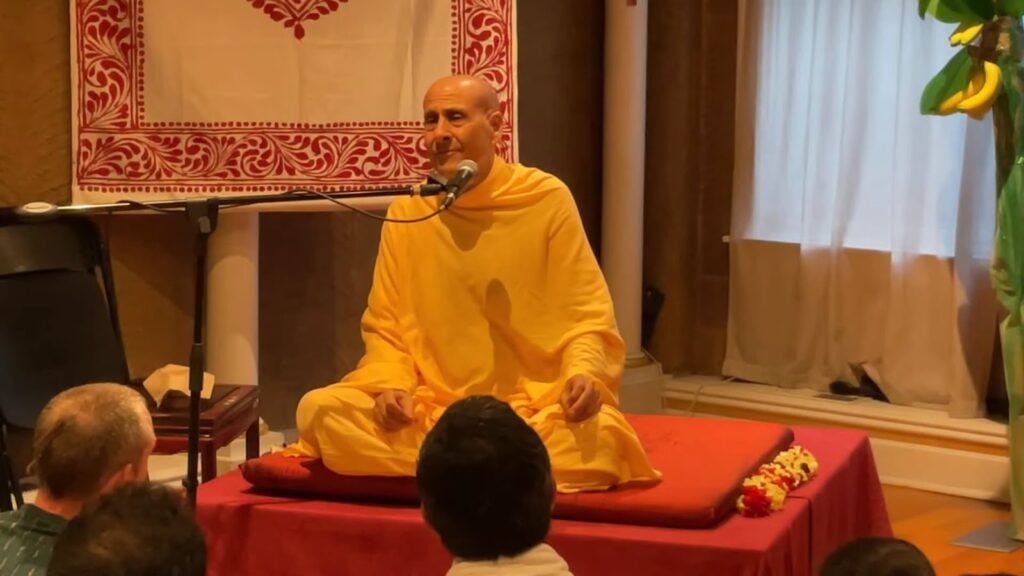
Paris, a global cultural capital visited by millions each year, has increasingly become a welcoming stage for sacred traditions from the Indian subcontinent. Within this vibrant setting, the Paris Bhakti Festival and the Hare Krishna Ratha Yatra present living expressions of devotion that harmonize gracefully with the city’s cosmopolitan spirit. The event invites residents and visitors alike to encounter bhakti yoga as a public, participatory celebration rooted in cultural heritage and spiritual inclusivity.
Srila Prabhupada recognized Paris as a pivotal place to share the practice and philosophy of bhakti yoga, visiting on several occasions and encouraging sustained outreach. That legacy continues through ISKCON Paris, where kirtan, study, and service cultivate a reflective understanding of devotion in contemporary urban life. The festival context places bhakti in conversation with global audiences, demonstrating how spiritual practice can be both personally transformative and socially unifying.
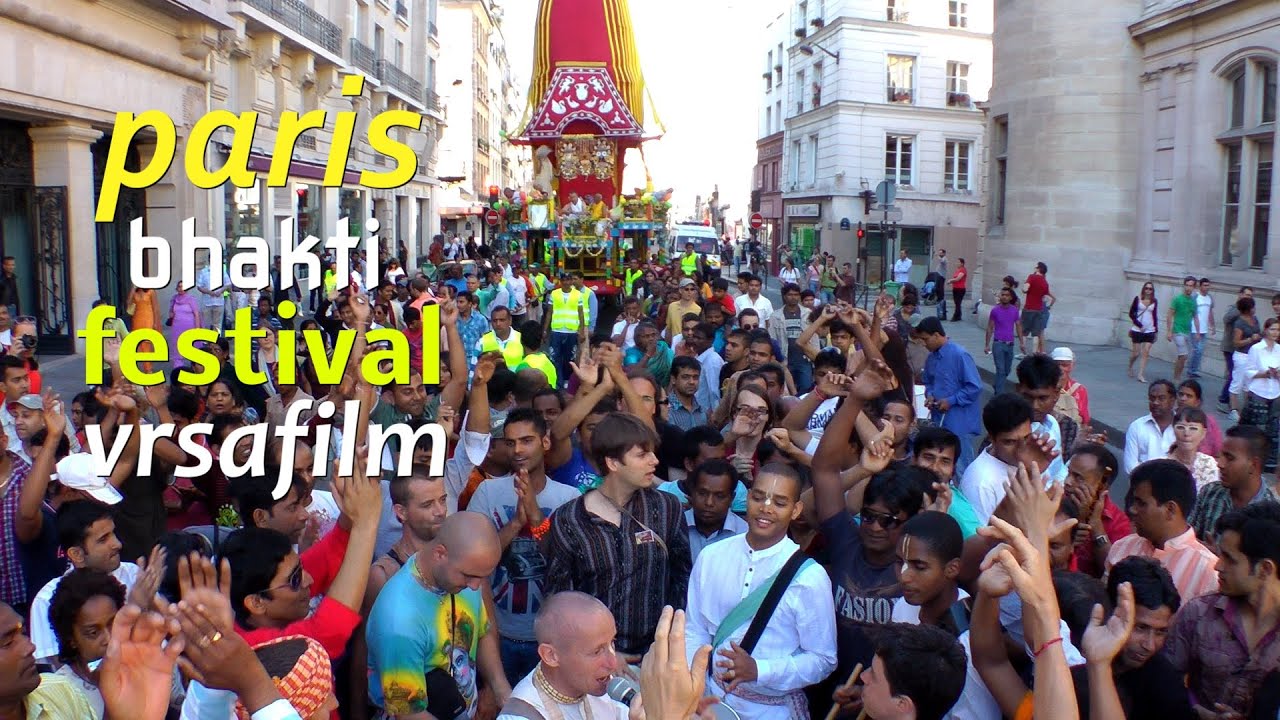
The annual Ratha Yatracentered on the chariot of Lord Jagannathmoves through the city with resonant kirtan, colorful garlands, and rhythmic percussion. Participants, families, and curious travelers often join the procession, drawn by the welcoming atmosphere and the open invitation to sing, dance, and reflect. These public acts of devotion showcase the accessibility of bhakti yoga while honoring the continuity of a time-honored tradition.
A recent recording of the Paris Ratha Yatra captured the procession’s immersive cadence: the synchronized steps of volunteers, the gentle sway of the chariot, and the responsive chorus of kirtan. Such documentation helps preserve intangible heritage, offering a thoughtful lens on how sacred sound and shared movement create a temporary sacred space within the urban landscape. The visual record further illuminates how devotion translates into communal joy, mindful presence, and cultural exchange.
Beyond its devotional core, the festival nurtures interfaith respect and dharmic harmony. Values emphasized in bhaktisuch as compassion, selfless service (seva), and inner reflectionresonate with broader dharmic traditions across Hinduism, Buddhism, Jainism, and Sikhism. The event thus functions as a bridge, highlighting shared ethical orientations like ahimsa and community care, while celebrating the plurality of spiritual paths. In this sense, the Paris Bhakti Festival models unity in diversity without diluting distinct practices.
As Paris hosts the Ratha Yatra year after year, the city bears witness to the enduring vitality of devotional culture and its capacity to welcome all. The festival honors Srila Prabhupada’s vision by placing bhakti yoga in the heart of public life, where music, movement, and mindful celebration encourage dialogue, understanding, and mutual uplift. For many onlookers, the experience becomes a gentle invitation to explore devotion not as doctrine, but as a living, shared practice.
Inspired by this post on Dandavats.