The rooster (Seval) on the banner of Lord Murugan—revered as Seval Kodi—stands as a luminous symbol within Hindu spiritual symbolism, articulating the triumph of awakened consciousness over Maya (illusion). Far from a decorative motif, this emblem encodes a complete soteriological message: vigilance before dawn, fearless clarity, and the disciplined conversion of base impulses into enlightened purpose.
In Tamil tradition, Seval Kodi evokes the moment when night yields to first light. The rooster’s call, announcing daybreak, mirrors the practitioner’s awakening from avidya (ignorance). As such, the banner becomes a moving meditation: it urges alertness, ethical resolve, and the steady alignment of thought, speech, and action with dharma.
Classical narratives of Skanda (Murugan) deepen this reading. After subduing the asura Surapadman, the transformed energies appear as the peacock (vahana) and the rooster (standard). The peacock conveys regal mastery and graceful control, while the rooster—held aloft as Seval Kodi—signals proclaimed victory and public remembrance. Together, they signify not annihilation but transmutation: hostile forces are not merely defeated; they are reoriented toward the good.
The emblem’s moral psychology is precise. The rooster’s sharp awareness suggests vigilance over the senses, the quickness of discernment (viveka), and the courage to confront self-deception. Its dawn-cry symbolizes the practitioner’s daily recommitment to clarity: just as light dispels darkness, insight dispels confusion. For many devotees, this rhythm is experiential—temple bells at first light, the sight of the banner in procession, and the interior resolve to meet the day without fear.
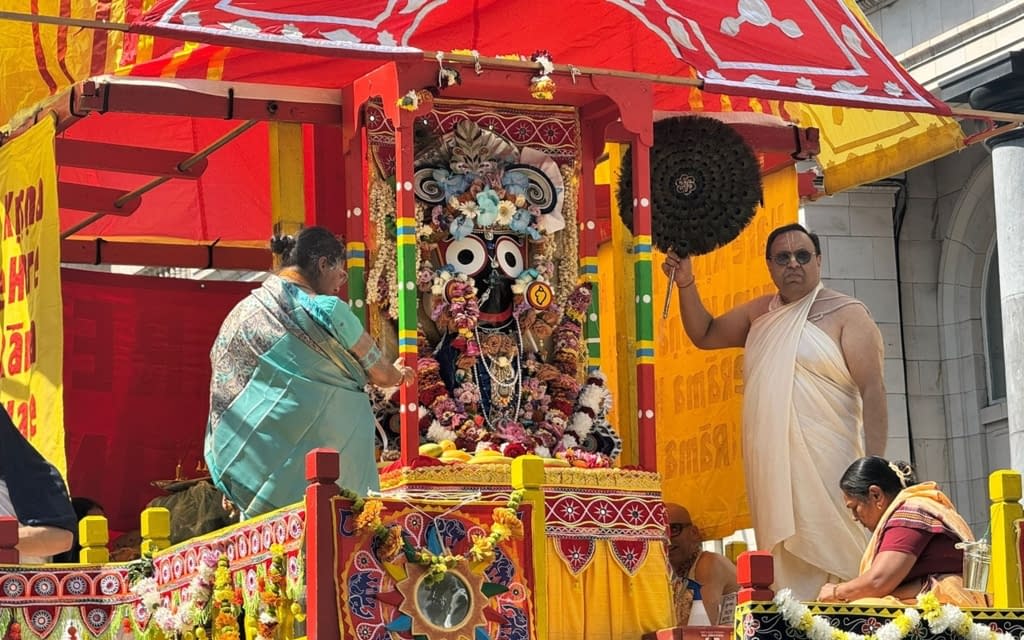
Seval Kodi also integrates seamlessly with Murugan’s vel (spear), the instrument of piercing insight. Where the vel cuts through illusion, the rooster broadcasts the victory. Observers at festivals and kavadi processions frequently describe a shared emotional arc: the emblem inspires a movement from heaviness to uplift, from anxiety to purposeful calm—an affective journey that complements the intellectual message of overcoming Maya.
This symbolism resonates across dharmic traditions. In Buddhism, the call to wakefulness counters ignorance; in Jainism, the disciplined conquest of passions parallels the transmutation theme; in Sikhism, vigilance and the overcoming of haumai (ego) align with the ethical clarity represented by the rooster. Read together, Seval Kodi affirms a shared civilizational commitment: to unity in spiritual diversity, to non-sectarian truth-seeking, and to the moral courage required for inner and outer harmony.
In lived practice, the emblem guides simple, relatable disciplines. Practitioners often frame their day with conscious breath, brief japa, or reflective reading—small dawn-acts that echo the rooster’s cry. Many report that remembering Seval Kodi during moments of confusion helps reset intention: the mind returns to first principles—alertness, honesty, and compassionate strength.
As a cultural-historical marker, Seval Kodi anchors Tamil heritage while inviting a universal reading. It weaves together temple aesthetics, processional memory, and philosophical depth into a single sign. For students of Hindu symbolism and for seekers across dharmic paths, the rooster on Murugan’s banner functions as both teacher and testament: awaken, perceive clearly, and let transformed energy serve the light.
Inspired by this post on Hindu Blog.