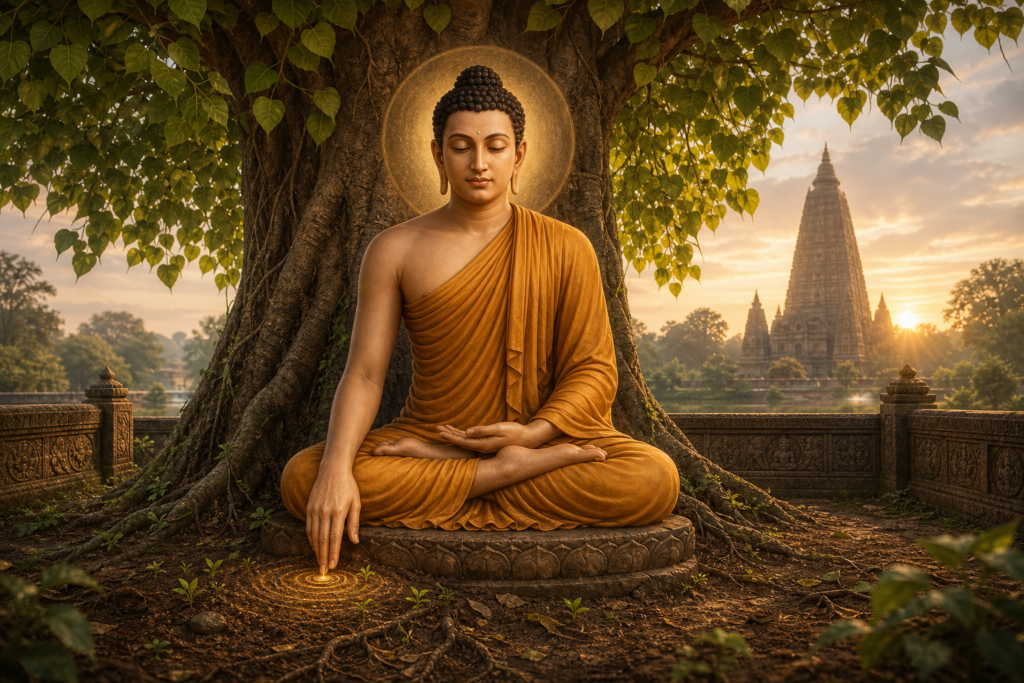
Vasant Panchamialso known as Basant Panchami, Shree Panchami, and Saraswati Pujamarks the welcoming of Vasant Ritu (Spring Season) and the renewal of learning, arts, and harmony. In 2026, Vasant Panchami falls on January 23, aligning with Magha Shukla Panchami in the traditional lunisolar calendar.
The day is dedicated to Mata Saraswati, the embodiment of vidyā (knowledge), kalā (arts), and vāṇī (eloquence). Books, musical instruments, and tools of learning are respectfully placed before the deity, reflecting a collective commitment to education, creativity, and ethical living.
Observed on the fifth tithi of the bright fortnight of Magha (Magha masa Shukla Panchami), the festival signifies the gentle turning of the season and the mind toward clarity and discernment. The color yellowechoing mustard blossomsfeatures prominently in attire and offerings, symbolizing warmth, abundance, and auspicious beginnings.
Households, schools, and community centers often organize puja, collective prayers, music recitals, and reading sessions. Many families initiate children into learning (Aksharabhyasam/Vidyarambham), while students and artists consecrate the day to focused study and riyaaz. The experience is both intimate and communal: the quiet dignity of arranged books and the resonance of a veena beside fresh flowers invite reflection on purpose and perseverance.
The essence of Vasant Panchami fosters unity among dharmic traditions. Reverence for knowledge and compassionate actioncentral to Hinduism, Buddhism, Jainism, and Sikhismfinds a shared expression in this observance. The festival encourages renewed dedication to learning, ethical conduct, and service, strengthening bonds across communities while honoring diverse spiritual paths.
Regional practices enrich the celebration. In Bengal and Assam, Saraswati Puja and Shree Panchami festivities animate schools and cultural institutions. Devotees also visit noted shrines such as the Basar Gnana Saraswati Devi Temple in Telangana, where prayers for clarity of thought and excellence in study are offered with devotion.
Simple observances at home can be meaningful: prepare a clean study space, arrange books and instruments with care, light a lamp, and recite a brief invocation such as “ॐ ऐं सरस्वत्यै नमः” with steady attention. Offering yellow flowers or sweets, reading a passage from a scripture, and pledging a day of mindful study align the mind with the festival’s purpose.
As with many tithi-based observances, local panchangam calculations and time zones may cause slight variation in timing. For those planning community events or personal worship, consulting a reliable regional panchang is recommended to align activities with Magha Shukla Panchami.
Beyond ritual, Vasant Panchami invites a seasonal and spiritual reset. As fields glow in yellow and the air softens, the day encourages cultivating disciplined study, nurturing the arts, and extending goodwillan inclusive, dharmic vision of knowledge that uplifts individuals and communities alike.
Inspired by this post on Hindu Pad.