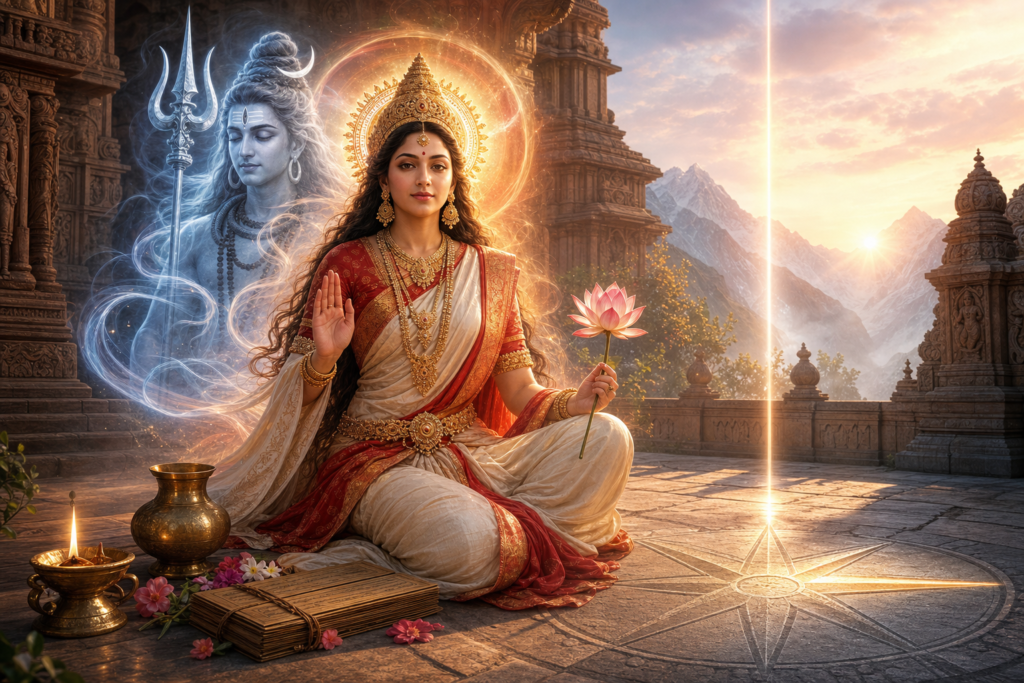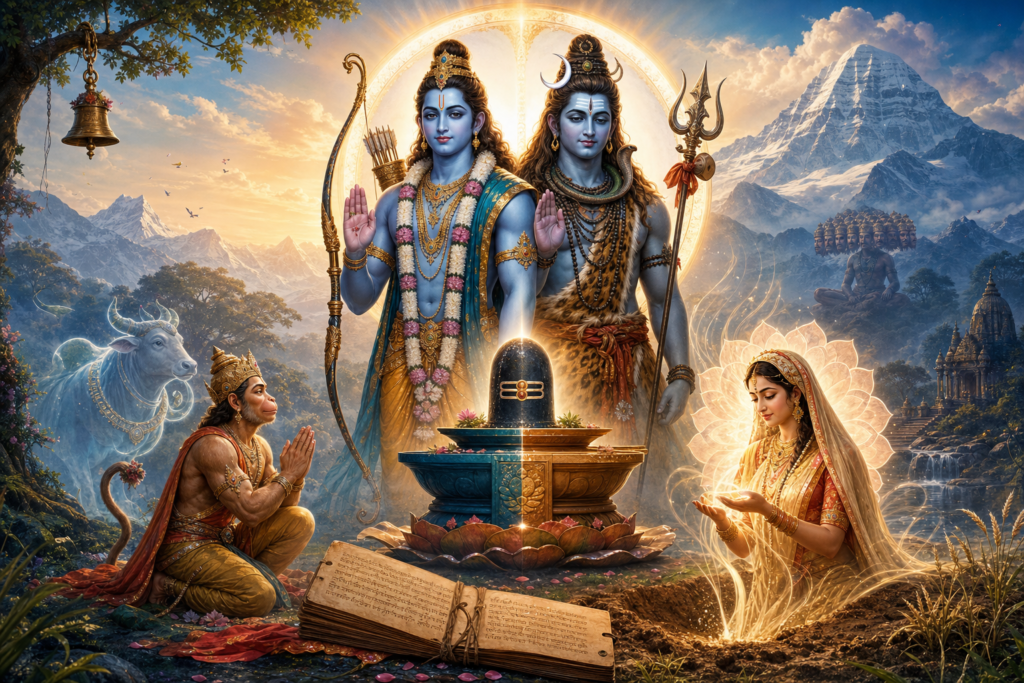
Makarajyothi 2026 will be observed on January 14, aligning with Makara Sankranti and the auspicious Makara Jyoti Darshanam near the Sabarimala Ayyappa Temple. The observance traditionally spans a week and culminates in the evening darshanam, drawing devotees who regard this moment as a convergence of devotion, discipline, and communal harmony.
Rooted in the solar transition known as Makara Sankramana, the festival marks the spiritual culmination of the Mandala–Makaravilakku pilgrimage season at Sabarimala. Devotees who journey to the temple or participate from afar often engage in vrata, bhajans, and seva, practices that cultivate inner steadiness and reinforce shared values of humility and service.
As dusk approaches on Makara Sankranti, attention turns toward the hill ranges beyond Sabarimala, traditionally associated with Ponnambalamedu. Many pilgrims describe a profound stillness during the Makara Jyoti Darshanam, as temple deeparadhana resonates with the unified chant of “Swamiye Saranam Ayyappa.” This synchrony of light, sound, and devotion is experienced as both emotionally uplifting and spiritually grounding.
The values celebrated through Makarajyothilight overcoming inertia, ethical discipline, gratitude for abundance, and service to communityecho across dharmic traditions, including Hinduism, Buddhism, Jainism, and Sikhism. By emphasizing shared ideals of compassion, self-restraint, and collective well-being, the observance encourages mutual respect and unity among diverse paths within the wider dharmic family.
In 2026, the focal day falls on January 14, with the most significant rituals occurring that evening. Given the sacred ecology of the hill shrine and surrounding forests, pilgrims and observers are encouraged to follow guidelines issued by relevant authorities, uphold eco-sensitive practices, and prioritize safety and decorum throughout the week-long celebrations.
For many, Makarajyothi 2026 offers an opportunity to connect living tradition with personal reflectionwhether experienced at Sabarimala Ayyappa Temple or within local congregations and homes. The festival’s contemplative energy and shared devotional practices continue to weave a resilient bond between ancient observances and contemporary spiritual aspiration.
Inspired by this post on Hindu Pad.