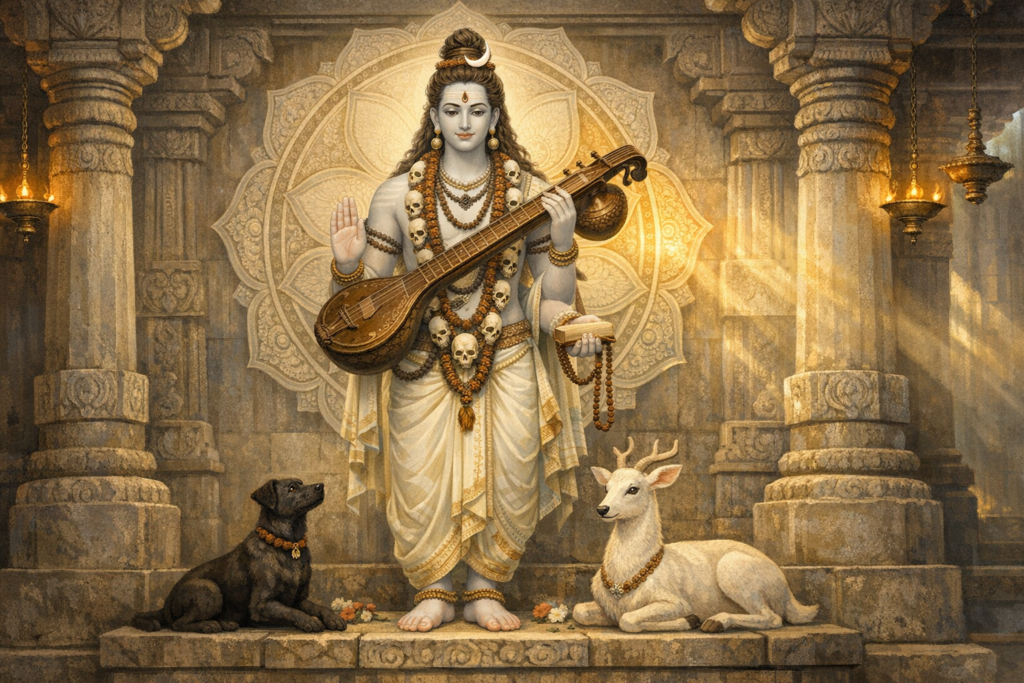
Hinduism preserves a vast civilizational memory of cosmic cycles, social ethics, and spiritual order, and within this tapestry, Manu stands out as a foundational symbol. Known as the primordial law-giver and progenitor of humankind, Manu signifies both an archetypal role and a lineage of custodianship across time. Framed within the rhythms of creation and dissolution, the figure of Manu links cosmology, social organization, and the pursuit of dharma in a way that is at once historical, symbolic, and spiritual.
In Dharmic cosmology, Manu is not only an individual but also a title that recurs across cycles: fourteen Manus preside over each kalpa, with Vaivasvata Manu recognized in the present age. This cyclical understanding places Manu “beyond gender and time” by emphasizing function over identity—an office of stewardship of dharma rather than a fixed, gendered persona. Etymologically connected with the Sanskrit root “man” (to think), the idea of Manu resonates with manava (humanity), underscoring the primacy of reflective intelligence and ethical responsibility in human life.
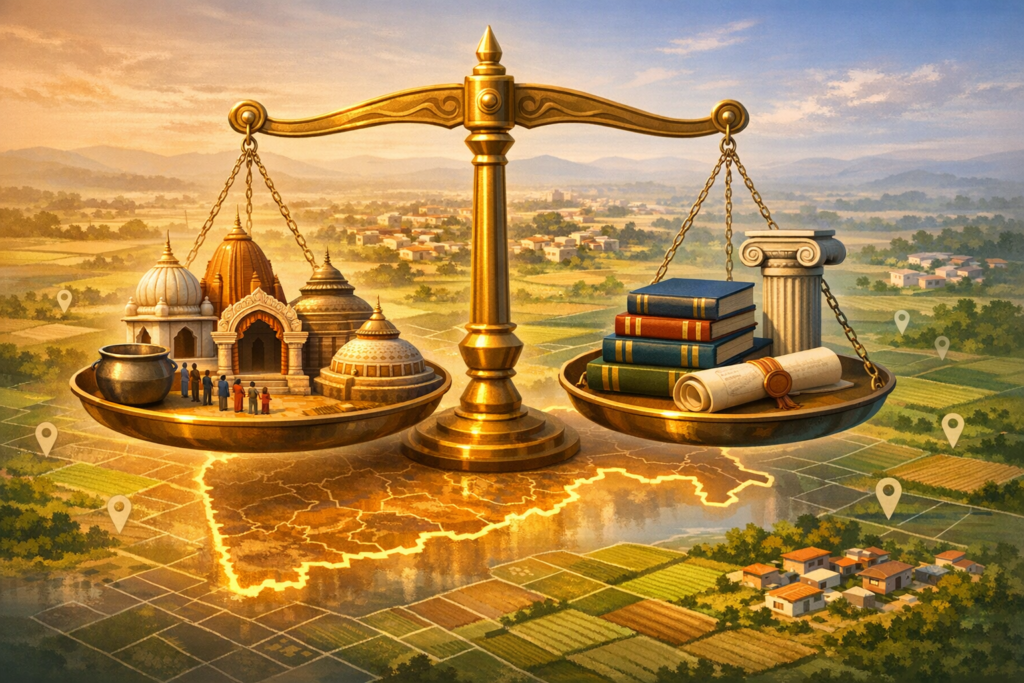
Texts such as the Manusmriti (a Smriti, or remembered tradition) have historically been attributed to Manu and engaged as part of the broader Dharmashastra corpus. Read within its traditional context, Manusmriti functions as a normative discourse negotiated alongside regional customs (desachara), professional duties (varnashrama), and evolving ethical insights. Across centuries, commentators refined, debated, and adapted its guidance—an interpretive process characteristic of Dharmic traditions that privileges living application over rigid dogma. This perspective helps situate Manu not as an inflexible authority but as a touchstone within a dynamic, plural intellectual ecosystem.
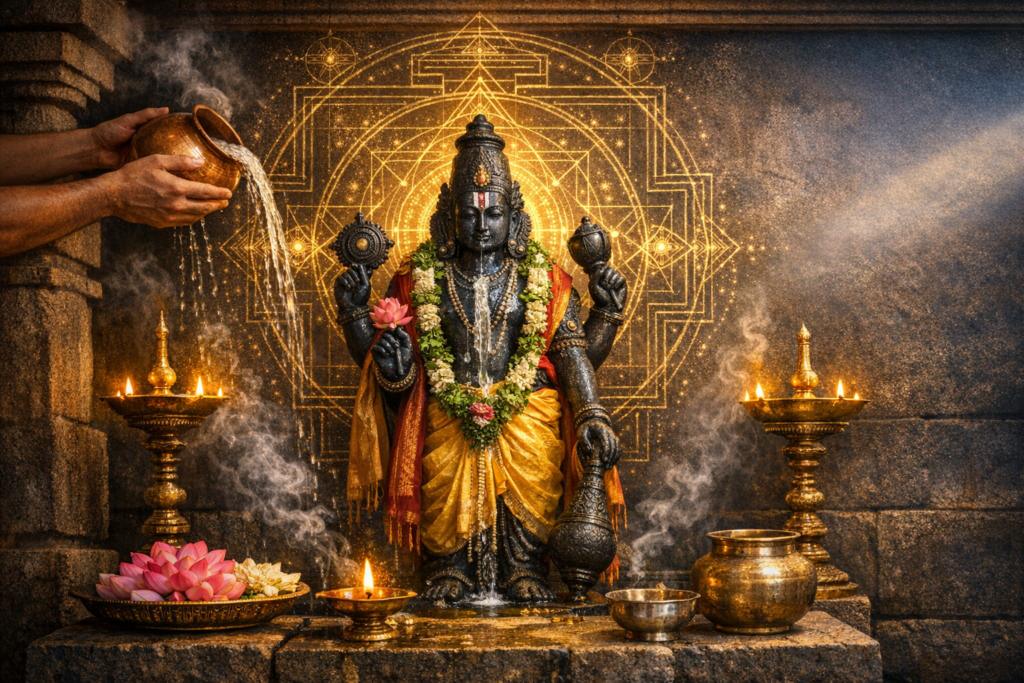
The celebrated narrative of Vaivasvata Manu and the Matsya (fish) avatāra of Vishnu—preserved in Puranic sources—conveys a powerful metaphor of preservation through crisis. Warned of a great flood, Manu safeguards seeds of life and knowledge so that order can be reestablished. Beyond a literal reading, the episode signifies civilizational resilience, ethical preparedness, and the duty to conserve wisdom for future generations. Parallels with flood motifs in other cultures invite comparative reflection and empathy, broadening intercultural and interreligious understanding.
Within the wider family of Dharmic traditions, the ethic that Manu represents aligns with shared values: the cultivation of non-injury (ahimsa), truthfulness (satya), generosity (dāna), self-restraint, and social harmony. While Buddhism articulates rigorous communal discipline in the Vinaya, Jainism elaborates an exacting path of ahimsa and ethical conduct, and Sikh tradition emphasizes truthful living and seva grounded in maryada. Without collapsing distinct identities, these convergences demonstrate how Manu’s symbolism can be understood in a manner that supports unity in diversity across Hinduism, Buddhism, Jainism, and Sikhism.
Viewed through this integrative lens, Manu becomes an intellectual and ethical archetype for stewardship rather than a static figure confined to a single era or reading. The role evokes care for social order, ecological responsibility, and the cultivation of inner virtue—concerns that remain urgent in contemporary life. Read responsibly, the Manu tradition encourages critical inquiry, contextual interpretation, and compassionate application, inviting communities to uphold justice, honor dignity, and adapt ethical frameworks to address present-day challenges while remaining rooted in perennial wisdom.
Key takeaways include: Manu as a cyclic role that transcends gendered identity; the Manusmriti as a historically situated text within the Dharmashastra tradition; the flood narrative as a symbol of civilizational renewal; and the shared Dharmic emphasis on ethical living across Hinduism, Buddhism, Jainism, and Sikhism. Together, these insights foster a balanced view that is faithful to scripture, sensitive to history, and oriented to unity and practical wisdom.
Inspired by this post on Hindu Blog.