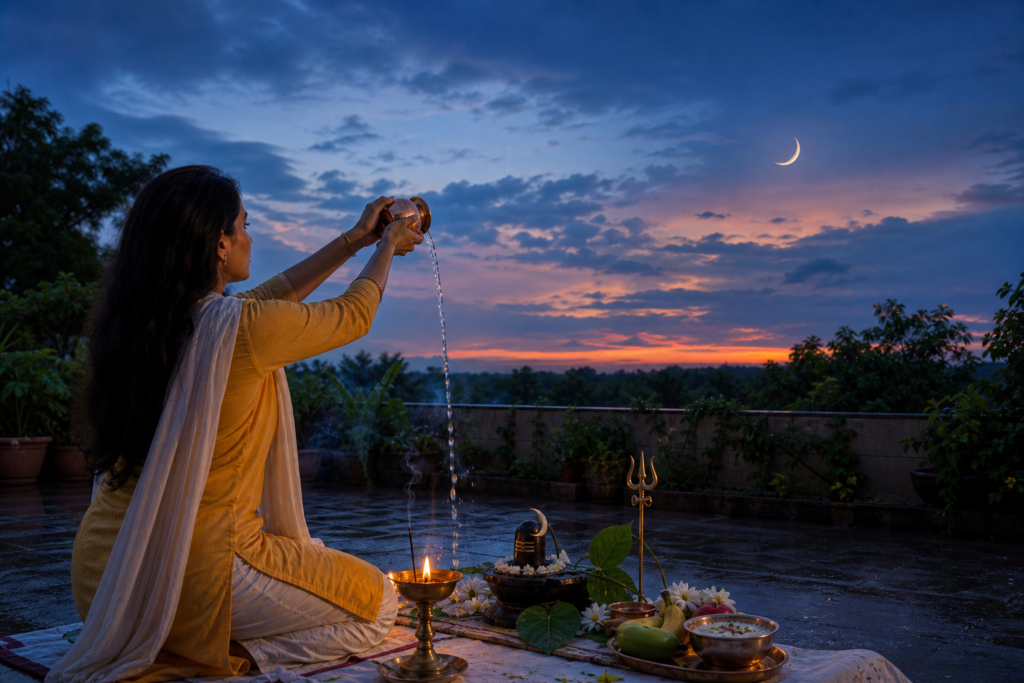
Vasoorimala is revered across Kerala and the Kodagu region of Karnataka as a protective folk deity associated with the prevention of contagious diseases, particularly smallpox, chickenpox, and measles. Worship of Vasoorimala commonly occurs within Bhadrakali and Shiva temples, where the goddess is honored as a guardian of community well-being and household health.
Kerala lore connects Vasoorimala to the mythic cycle around Bhadrakali and Darikan. According to regional tradition, Manodari, the wife of the Asura named Darikan, came to be known as Vasoorimala. The term Vasoori in Malayalam refers to smallpox, and this linguistic connection reinforces the goddess’s protective role against pox-related ailments in the cultural imagination of the region.
In North Kerala, devotion to Vasoorimala finds a vibrant expression through Vasoorimala Theyyam. This ritual performance, marked by elaborate costume, powerful drum rhythms, and sacred choreography, presents the goddess as an alert and benevolent guardian. Devotees seek blessings for protection from illness, with offerings that typically emphasize purity and healing, often including turmeric, neem leaves, and riceelements long associated with ritual cleansing in Kerala’s temple traditions.
Temples and shrines dedicated to Vasoorimala are woven into local calendars and family observances. Communities in Kerala and Kodagu invoke the deity’s grace during seasonal transitions and public health concerns, underscoring a living heritage that aligns spiritual practice with collective care. In such settings, the goddess’s presence functions as a reminder of vigilance, resilience, and shared responsibility.
This protective ethos resonates with the broader dharmic values cherished across Hinduism, Buddhism, Jainism, and Sikhism. Themes of compassion, ahimsa, seva, and the safeguarding of life converge in the cultural memory surrounding Vasoorimala, encouraging unity across traditions while honoring distinct local practices. The devotion exemplifies how diverse dharmic communities uphold the sanctity of health, harmony, and social cohesion.
For many families, recollections of offering prayers to Vasoorimala during bouts of childhood illness remain vivid. Elders emphasize calm, care, and disciplined ritual observance, while younger generations inherit a sense of security rooted in shared customs. Such experiences foster continuity, transmitting ethical and emotional frameworks that strengthen intergenerational bonds.
While the reverence of Vasoorimala is embedded in cultural and religious belief, it is complemented today by responsible health practices. Devotees recognize that spiritual solace and cultural rituals do not replace medical guidance; rather, they provide meaning and moral support alongside modern healthcare. In this way, the tradition speaks to a balanced approachrespecting heritage while embracing contemporary knowledge.
Vasoorimala thus stands as a compelling example of India’s cultural heritage: a deity whose mythology, ritual performance (Theyyam), and temple worship coalesce around the protection of life. The goddess’s story affirms the enduring power of faith to unify communities, uphold public welfare, and inspire mindful living across the dharmic spectrum.
Inspired by this post on Hindu Pad.