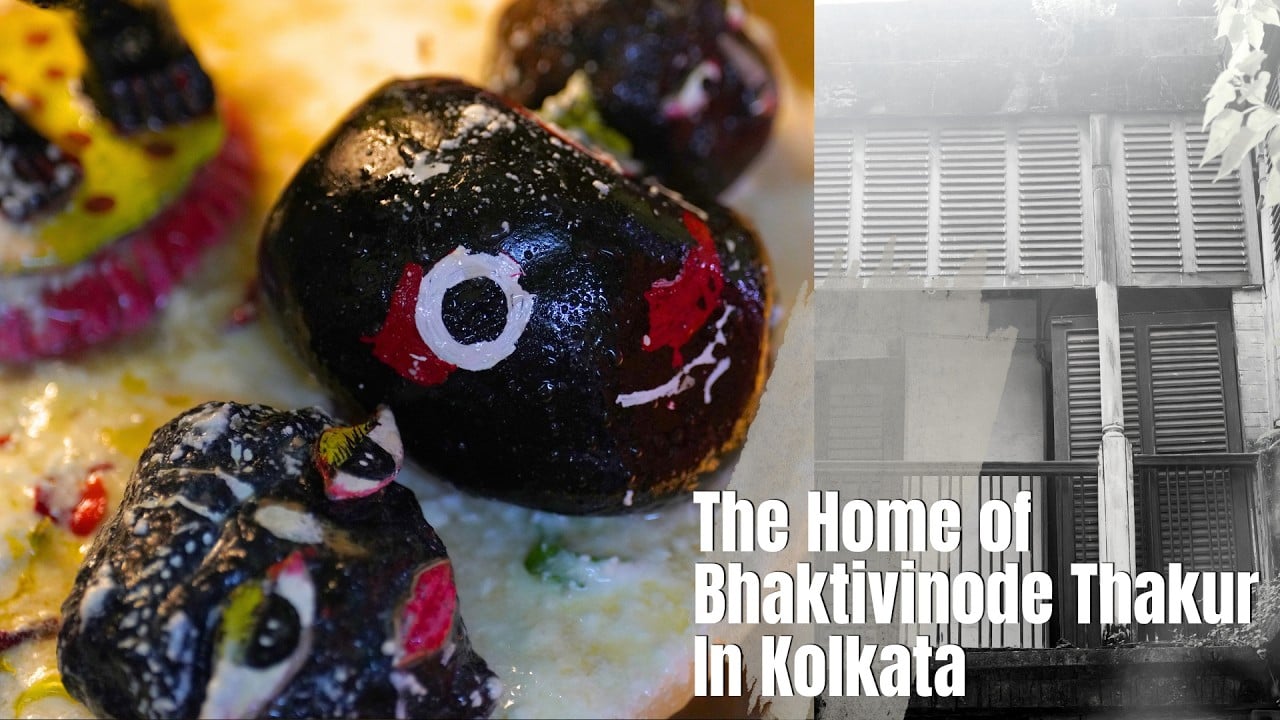
Bhakti Bhavan in Kolkatathe historic home of Srila Bhaktivinoda Thakuraremains a living center of Gaudiya Vaishnava heritage, where history, theology, and devotional practice converge in a quietly transformative way. A recent visit to this residence underscored how thoughtfully preserved sacred spaces can transmit lineage memory, inspire disciplined practice, and renew commitment to Sri Caitanya Mahaprabhu’s mission of universal kirtana and loving service.
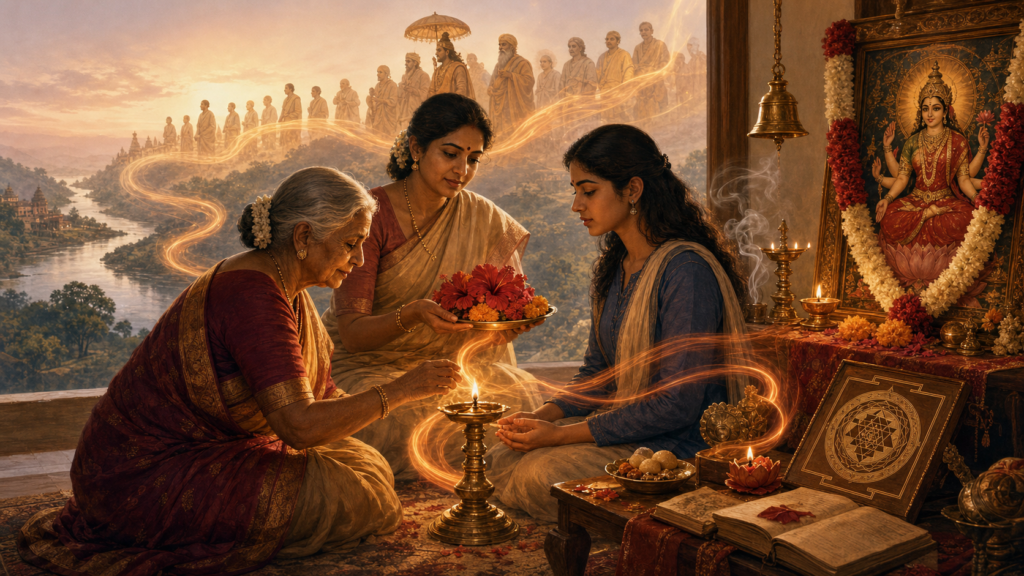
Within Bhakti Bhavan, worship was reverently offered to the very deities once served by Srila Bhaktivinoda Thakura: the beloved Madhava deity; the Giriraja Sila received from Jagannatha Dasa Babaji; the Salagrama Sila manifest in the form of Jagannatha; and the renowned Kurma Sila later entrusted to Srila Bhaktisiddhanta Sarasvati Thakura for worship. Standing before these exalted vigrahas naturally evokes humility and gratitude; a contemplative stillness arises that turns attention to seva, nama-sankirtana, and the practical responsibilities of carrying forward a sacred parampara.
Each deity at Bhakti Bhavan carries a distinct theological and historical resonance within Gaudiya Vaishnavism. Giriraja Sila is honored as nondifferent from Krishna, recalling the Govardhana-lila celebrated in the Bhagavata tradition and widely attested to in Vaishnava praxis. The Salagrama Silasourced from the Gandaki region and revered across the Vaishnava worldembodies Vishnu-tattva in a self-manifest form; its specific manifestation here as Jagannatha bridges Bengal’s devotional culture with the Puri tradition. Kurma Sila signifies the second avatar, Kurma, who supports the cosmic churninga powerful symbol of stability, patience, and protection for practitioners navigating inner and outer turbulence. The Madhava deity centers the household’s worship of Sri Sri Radha-Madhava, grounding bhakti in daily archana and inner remembrance.
In Gaudiya Vaishnava theology, these practices are not mere ritual observances but integral components of sadhana-bhakti: regulated service (vaidhi-bhakti) that ripens into heartfelt devotion (raga). Textual frameworks such as Hari-bhakti-vilasa, the Bhagavata Purana, and Gaudiya acharyas’ commentaries provide both prescriptive and contemplative guidance for this worship. As a result, entering such a space is as much a study in living theology as it is an experience of darshan; the encounter deepens conviction that attentive archana and sincere kirtana are mutually reinforcing pathways to spiritual realization.
Bhakti Bhavan also narrates a lineage story. Srila Bhaktivinoda Thakura (1838–1914) catalyzed a renaissance in Gaudiya Vaishnavismresearching, writing, organizing, and re-centering devotional life around Sri Caitanya Mahaprabhu’s teachings. His connection with Jagannatha Dasa Babaji and the subsequent custodianship of the Kurma Sila by Srila Bhaktisiddhanta Sarasvati Thakura speak to the continuity, discipline, and integrity of parampara. This continuum ultimately energized organized outreach that later animated the Hare Krishna Movement globally, while remaining anchored in the classical principles of scripture, seva, and nama.
For a contemporary pilgrim or researcher, the affective dimension of Bhakti Bhavan is unmistakable. The atmosphere encourages inward attentionthe kind that naturally renews commitment to Sri Caitanya Mahaprabhu’s mission. The encounter with these deities invites a re-calibration of priorities: daily nama-japa with steadiness, mindful study of shastra, and service to community as practical expressions of bhakti. In this way, the home functions not only as a heritage locus but also as a living classroom in devotion.
The recent renovation of Bhakti Bhavan has been carried out with sensitivity to both devotional use and heritage preservation. Beyond aesthetics, effective conservation balances environmental control for sacred objects, responsible visitor flow, archival documentation (textual, photographic, and oral histories), and ongoing community stewardship. These measures ensure that places like Bhakti Bhavan remain accessible, trustworthy, and pedagogically meaningful for devotees, students, and cultural historians alike.
Encounters at Bhakti Bhavan also resonate with shared dharmic values visible across Hinduism, Buddhism, Jainism, and Sikhism. Themes of disciplined practice, reverence for sacred emblems or relics, remembrance of the divine through name, and service to society (seva) form common ground. The contemplative ethos encouraged heremarked by humility, non-harm, truthfulness, and compassionaligns with the broader Indic commitment to inner transformation and social harmony. Highlighting these convergences strengthens unity among dharmic traditions without diluting the distinctive theological depth of Gaudiya Vaishnavism.
For prospective visitors and scholars, a few practical notes support a respectful experience. Modest attire, a quiet demeanor, and readiness to follow local guidance preserve the sanctity of worship. Offerings should be simple and consonant with Vaishnava norms; inquiries about hours and etiquette are best made in advance to harmonize with puja schedules. Those researching Gaudiya history will find the site especially instructive when contextualized with reading from the Bhagavata Purana, Hari-bhakti-vilasa, and the writings of Srila Bhaktivinoda Thakura and Srila Bhaktisiddhanta Sarasvati Thakura.
Ultimately, Bhakti Bhavan in Kolkata demonstrates how sacred homes can function as enduring centers of learning, contemplation, and community renewal. The presence of the Madhava deity, Giriraja Sila, the Salagrama Sila manifest as Jagannatha, and the Kurma Sila preserves the devotional heart of the household and invites deeper study of Gaudiya Vaishnava praxis. Returning to this restored atmosphereforever surcharged with the love that Srila Bhaktivinoda Thakura had for Sri Sri Radha-Madhavapromises fresh inspiration for disciplined practice and compassionate service within the wider dharmic family.
Inspired by this post on Dandavats.