

Curiosity is not a peripheral virtue in Hinduism; it is a sacred discipline. The tradition consecrates inquiry—jijñāsā and vicāra—as the very threshold of wisdom, beginning with the Vedānta Sūtra’s call, “athāto brahmajijñāsā.” Across millennia, teachers and seekers have treated questioning as a devotional act, a way to dissolve avidyā (ignorance) and realize the Self. The ethos is neither credulity nor cynicism, but disciplined exploration grounded in pramāṇa (valid means of knowledge), respectful dialogue, and lived practice.
The Upaniṣads enshrine this spirit through probing conversations that model how to ask, how to doubt, and how to test insight against experience. From Gārgī Vācaknavī’s fearless interrogation of Yājñavalkya in the Bṛhadāraṇyaka Upaniṣad to Naciketā’s uncompromising questions to Yama in the Kaṭha Upaniṣad, the texts celebrate inquiry as a path to clarity. Even Śvetaketu’s journey in the Chāndogya Upaniṣad dramatizes how earnest questioning yields the distilled teaching “tat tvam asi.”
These dialogues do not merely display erudition; they train the mind to move from the seen to the Seer, from multiplicity to the substratum. Yājñavalkya’s famous “neti neti” guides the seeker to refine cognition—subtracting superimposed identifications until only pure awareness remains. By presenting reasoning, counterreasoning, and reflective silence within one fabric, the Upaniṣads consecrate curiosity as contemplative method.
The Bhagavad Gītā explicitly sanctions inquisitiveness as sādhanā: “tad viddhi praṇipātena paripraśnena sevayā” (4.34). Inquiry (paripraśna) arises alongside humility (praṇipāta) and service (sevā), indicating that the right to ask is inseparable from the responsibility to listen, refine, and practice. Whether one walks the paths of jñāna, bhakti, karma, or rāja-yoga, the Gītā frames questioning as a disciplined gateway to discernment (viveka) and steadfastness (niṣṭhā).
A distinctive feature of the Hindu way of life is the recognition of Ishta—honoring the legitimacy of diverse spiritual temperaments and deities. This theological pluralism is not a compromise; it is an epistemic insight. Since seekers begin from different starting points and pramāṇa preferences, multiple mārga-s are not accidental but essential. By validating many routes to Self-Realization, the tradition elevates curiosity into an inclusive grammar of spiritual progress.
Hindu philosophy advances this inclusive curiosity through robust theories of knowledge. The darśana-s (viewpoints) investigate pramāṇa—how reliable knowing happens. Nyāya famously accepts four: pratyakṣa (perception), anumāna (inference), upamāna (analogy), and śabda (authoritative testimony). Mīmāṃsā and Advaita Vedānta extend this list to include arthāpatti (postulation) and anupalabdhi (non-cognition), while also debating scope and priority. This plurality is not fragmentation; it is a calibrated ecosystem of epistemic tools.
Nyāya’s method institutionalizes curiosity with surgical rigor. It maps the structure of inference (hetu, pakṣa, vyāpti), classifies reasoning moves (tarka), and distinguishes wholesome debate (vāda) from eristic forms (jalpa, vitaṇḍā). By codifying fallacies and verification, Nyāya equips the seeker to interrogate assumptions while honoring śabda as a legitimate, testable pramāṇa when sourced from reliable āpta (trustworthy knowers). Curiosity thus becomes logic with ethics.
Mīmāṃsā expands this rigor into hermeneutics—how to read and resolve scriptural directives. Its canons, such as upakrama–upasaṃhāra (opening–conclusion), abhyāsa (repetition), apūrvatā (novelty), phala (result), arthavāda (explanatory praise), and upapatti (reasoned justification), establish disciplined criteria for interpretation. By integrating arthāpatti and, in the Bhāṭṭa lineage, anupalabdhi, Mīmāṃsā exemplifies how curiosity matures into a science of meaning that avoids both literalism and arbitrariness.
Advaita Vedānta turns inquiry inward through vicāra. Its method—adhyāropa–apavāda (superimposition and subsequent negation)—uses provisional constructs to lead beyond constructs. Practice advances by śravaṇa (immersed listening to mahāvākya-s), manana (critical reflection), and nididhyāsana (steady assimilation). Sādhana-catuṣṭaya (viveka, vairāgya, śamādi-ṣaṭka-sampatti, mumukṣutva) prepares the mind so curiosity is not restlessness but laser-like attention to the real (satya).
In Sāṅkhya, curiosity becomes ontological mapping. By discriminating the 25 tattva-s, seekers separate Puruṣa (consciousness) from Prakṛti (nature) through anvaya-vyatireka (co-presence and co-absence) style analysis. Yoga operationalizes this clarity: “pramāṇa-viparyaya-vikalpa-nidrā-smṛtayaḥ” (YS 1.6) categorizes mental fluctuations, and “pratyakṣa-anumāna-āgamāḥ pramāṇāni” (YS 1.7) filters reliable knowing. Abhyāsa and vairāgya (YS 1.12) steer inquiry from agitation to absorption.
Even the broader Indian philosophical arena, including materialist Cārvāka critiques, sharpened Hindu epistemology by compelling darśana-s to clarify evidence, causality, and testimony. The result is a culture where skepticism is neither despised nor deified; it is domesticated into discernment. Across Hindu scriptures and commentaries, curiosity is asked to be simultaneously bold and bounded—bold in pursuing truth, bounded by reason, ethics, and experiential verification.
This disciplined inquisitiveness resonates across dharmic traditions. Buddhism’s Kalama Sutta cautions against accepting claims based solely on lineage, hearsay, or mere logic, inviting verification through direct insight. The Dhamma’s quality “ehipassiko” (“come and see”) mirrors the Hindu insistence that teachings be tested in lived experience. The shared commitment is unmistakable: inquiry is sacred when it is honest, careful, and transformative.
Jainism contributes a profound ethic of epistemic humility through Anekāntavāda, the doctrine that reality is many-sided. Its corollaries—syādvāda (qualified predication) and nayavāda (perspectival analysis)—train seekers to hold complex truths without absolutism. This Jain grammar complements Hindu darśana-s by reminding inquiry to account for context and partiality, making dialogue a collaborative discovery rather than combat.
Sikhism elevates “vichaar” (reflective contemplation) on the Śabad (Word) as a core discipline. The emphasis on living gurmat (the Guru’s wisdom) through steady reflection, service, and remembrance parallels the Gītā’s integration of inquiry with humility and action. This convergence across Hinduism, Buddhism, Jainism, and Sikhism underscores a civilizational insight: curiosity is a virtue when it sustains unity, compassion, and liberation-oriented practice.
Hindu scriptures also set ethical parameters for questioning. “Paripraśna” in the Gītā is framed by “praṇipāta” and “sevā,” suggesting that tone and intent matter as much as content. The tradition cautions against idle disputation (vitaṇḍā) and vanity, advocating vāda—dialogue for truth—as the gold standard. Ahiṃsā in thought and speech protects inquiry from degenerating into aggression, while śraddhā (trust) prevents premature nihilism.
The Guru–Śiṣya Tradition formalizes this ethos. A true guru invites questions and also curates them, ensuring that intellect serves insight rather than endless complication. A true śiṣya cultivates steadiness, tests teachings against practice, and refines doubts into precise inquiries. This reciprocity keeps curiosity generative: it yields clarity, not confusion; courage, not conceit.
Many practitioners describe a turning point when a simple question—“Who am I?”—shifts from concept to living investigation. Such moments often arise in svādhyāya (self-study), when a verse like “tat tvam asi” ceases to be literature and becomes a mirror. Emotional resonance follows intellectual clarity: the relief of setting down second-hand certainties, the humility of seeing biases, and the quiet confidence that grows when practice corroborates scripture.
Practical disciplines sustain this momentum. Regular svādhyāya of the Upaniṣads, Bhagavad Gītā, and foundational texts from the darśana-s builds conceptual literacy. Journaling transforms fleeting insights into traceable understanding; noting a question, a counterexample, and the pramāṇa relied upon gradually upgrades intuition into disciplined discernment. Meditation stabilizes attention so inquiry does not wander; prāṇāyāma settles the nervous system so subtle insights are not drowned out by reactivity.
In daily life, the pramāṇa framework doubles as a cognitive hygiene protocol, especially in the digital age. Before believing or sharing a claim, the seeker informally asks: What is directly perceived (pratyakṣa)? What follows by necessity (anumāna)? What analogy clarifies (upamāna)? Which reliable testimony (śabda) corroborates it? When evidence is missing (anupalabdhi) or only a postulate explains the data (arthāpatti), how provisional should the conclusion be? This quiet rigor turns curiosity into responsibility.
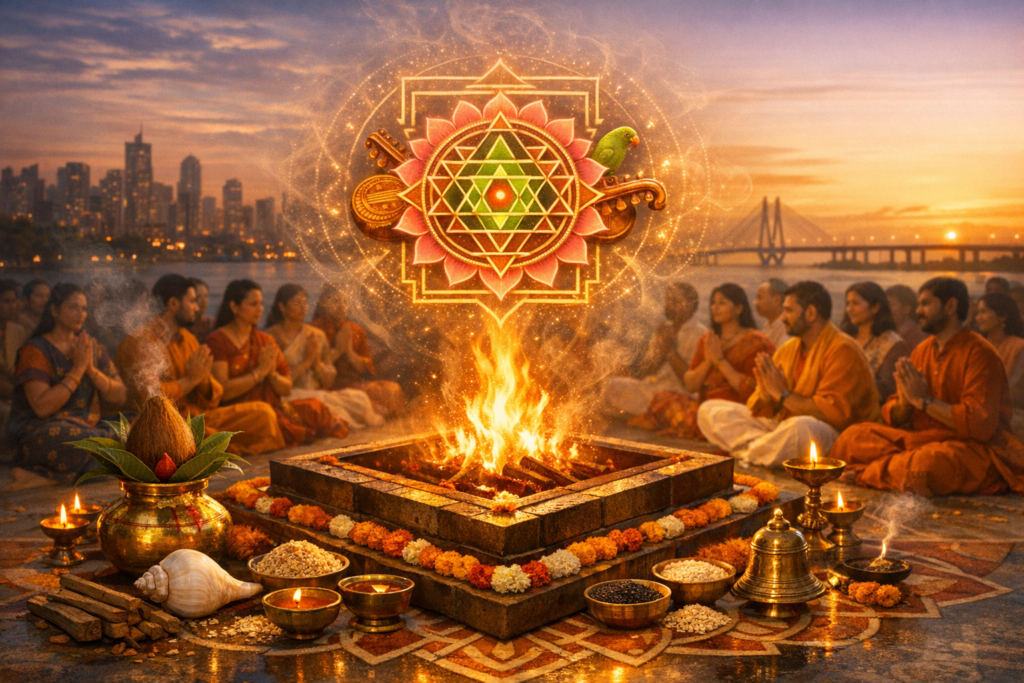
Curiosity also deepens devotion. Bhakti is not opposed to inquiry; it refines it by centering love and surrender. When questioning occurs in the presence of Ishta, the heart’s chosen form of the Divine, doubts lose their sharpness without losing their precision. Devotion disarms defensiveness, allowing difficult truths to be received gratefully. In this way, many discover that the most transformative answers arrive not as arguments won, but as resistance released.
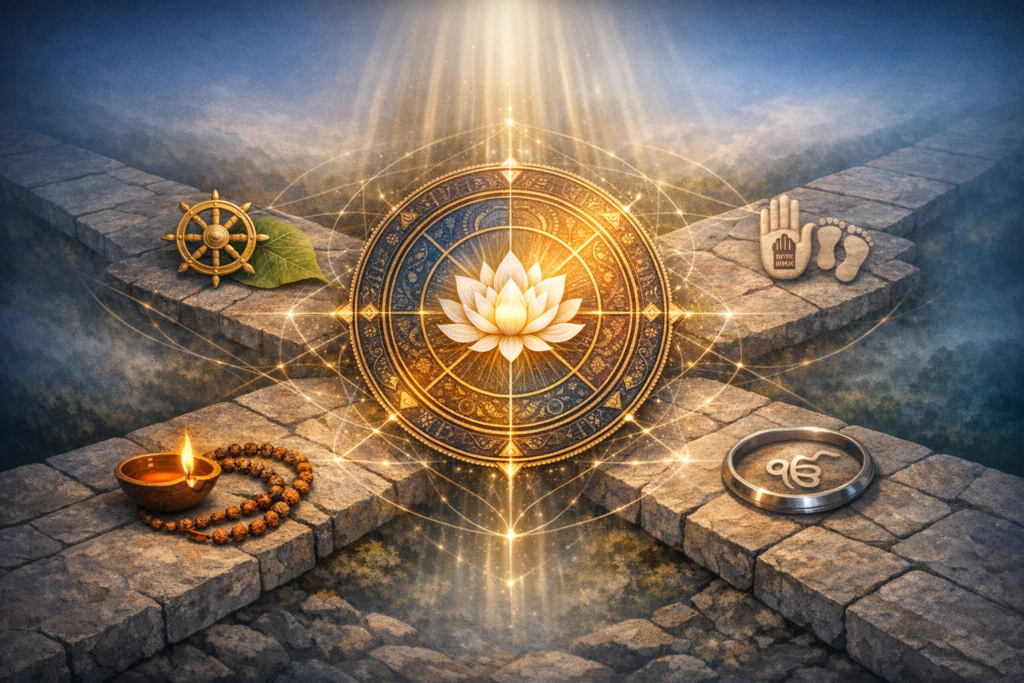
Crucially, the civilizational heritage of India treats pluralism as a strength. Unity in Diversity is sustained not by erasing differences but by maturing inquiry so that it serves shared ends—peace, dignity, and liberation. Interfaith Dialogue within the dharmic family thrives when each tradition brings its best methods of knowing to the table, recognizing kinship in their insistence on experience, reason, and compassionate living.
Hindu scriptures and commentarial literatures, far from discouraging doubt, teach how to doubt well. They model how to turn raw curiosity into refined vicāra, how to balance skepticism with śraddhā, and how to test metaphysical claims against contemplative experience. From the probing dialogues of the Upaniṣads to the lucid counsel of the Bhagavad Gītā, the tradition’s throughline is unmistakable: question sincerely, examine carefully, live courageously.
In sum, curiosity in Hinduism is a sacred instrument—calibrated by pramāṇa, purified by ethics, stabilized by practice, and elevated by love. When allied with the complementary insights of Buddhism, Jainism, and Sikhism, it becomes a civilizational force for clarity and concord. Such inquiry does more than answer questions; it transforms the questioner. In honoring that transformation, the Hindu way of life recognizes curiosity not merely as a spark of wisdom, but as its steady flame.
Inspired by this post on Hindu Blog.







Leave a Reply
You must be logged in to post a comment.