Part 2 examines why certain campaigns in Indian history became unwinnable not on battlefields alone but within deeper arenas of meaning, legitimacy, and memory. The inquiry frames war as more than force-on-force encounters; it is also a contest for narrative authority, social consent, and cultural continuity. When states or ideologies collide with the lived grammar of dharma, victories claimed in dispatches often unravel in the long run as communities quietly rebuild and remember.
Classical strategy helps illuminate this paradox. Clausewitz emphasized centers of gravity and the political aims of war, while Kautilya in the Arthasastra detailed prakritis (constituents of state power), mantrashakti (deliberative capacity), and the layered use of sama, dana, bheda, and danda (conciliation, incentives, division, and force). Read together, these frameworks suggest that a campaign truly “wins” only when it secures lasting legitimacywhen people choose to live under its order without coercion. Where legitimacy fails, resistance becomes endogenous and enduring.
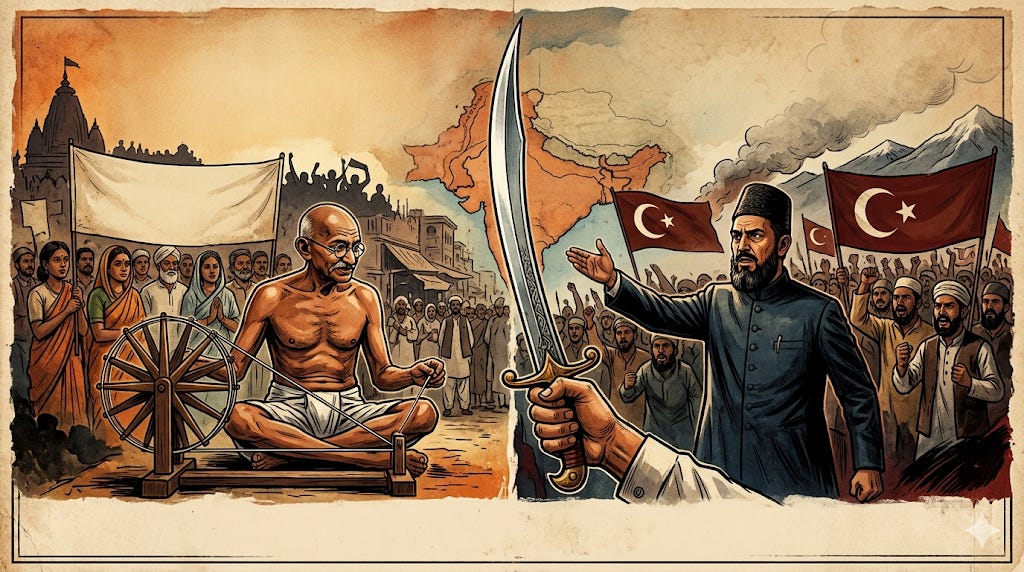
This perspective clarifies why ostensibly decisive moments in Indian history yielded incomplete or reversible outcomes. The Revolt of 1857, for example, was suppressed militarily but persisted as an indelible moral and cultural memory, reshaping political imagination across communities. The event broadened debates about swaraj, social reform, and identityan afterlife of meaning that conventional campaign reports could neither quantify nor contain. What seemed militarily conclusive became politically and culturally provisional.
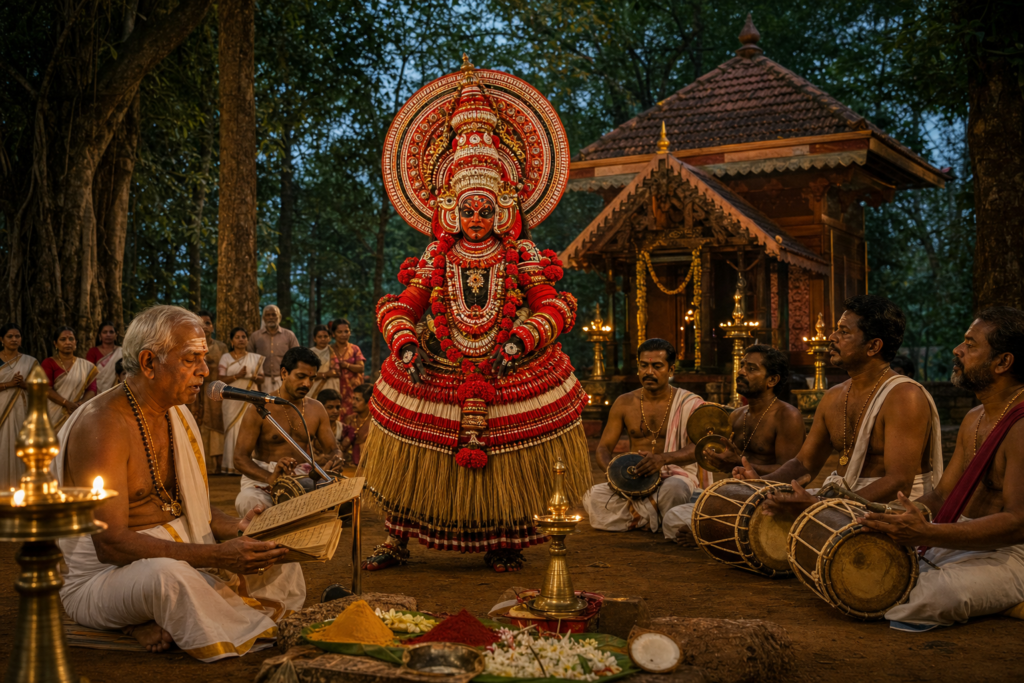
Across centuries, dharmic traditionsHinduism, Buddhism, Jainism, and Sikhismdeveloped resilient social architectures that blunted the totalizing thrust of any single ideology. Shared values such as dharma, ahimsa, seva, anekantavada, and the guru–shishya parampara enabled cooperation without uniformity. This unity in spiritual diversity acted as strategic depth: communities could absorb shock, adapt practices, and reconstitute institutions without conceding the civilizational core.
The knowledge domain was a principal front. Colonial standardization attemptscodified curricula, reclassification of communities, and selective translationssought to reframe India for administrative legibility. Yet vernacular literatures, temple and monastery libraries, pathshalas, akharas, and gurdwaras sustained parallel reservoirs of memory. Oral epics, kirtan and bhajan traditions, kathas, patha, parayana, and the langar forged everyday solidarities that quietly immunized society against total epistemic capture.
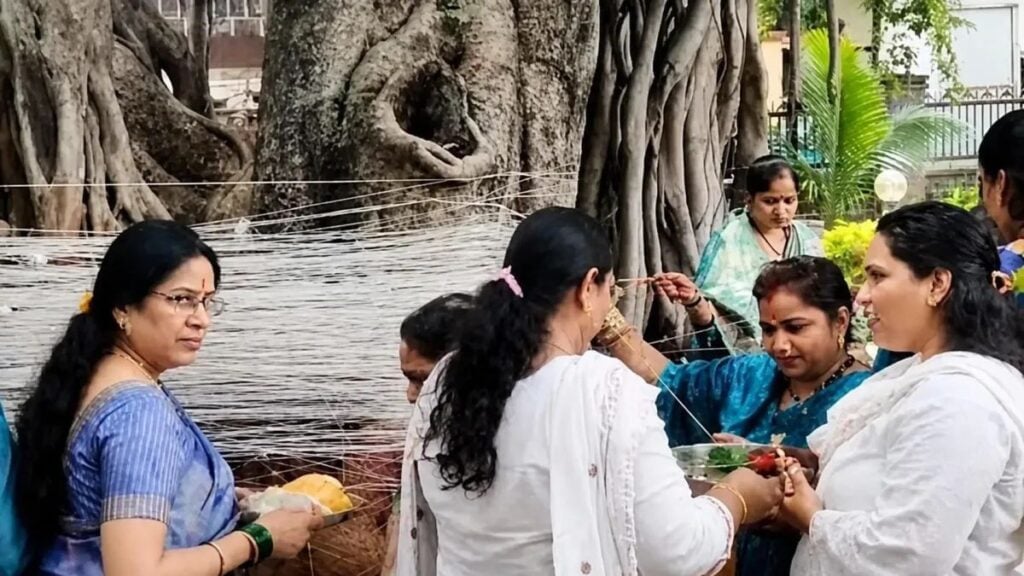
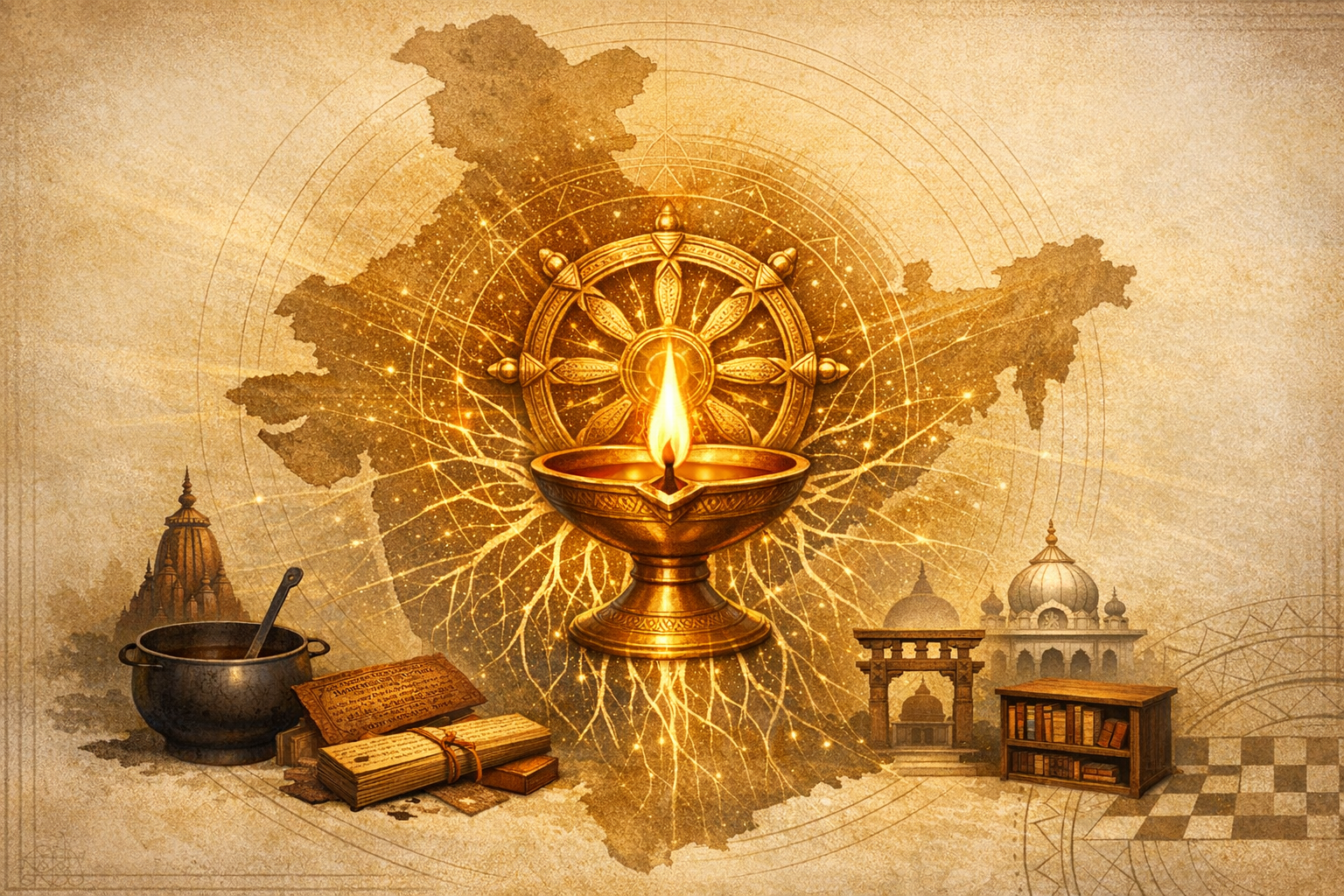
Memory studies and systems thinking help describe why this mattered. Cultural memory functions as a distributed archive; it is not hostage to any single node, canon, or institution. In complex adaptive systems, redundancy and modularity improve survivability. Festivals, pilgrimages, local deities, vihara lineages, basadis, tirthas, mathas, and gurdwaras create overlapping networks of meaning. If one node is constrained, others carry the load. Such design features make civilizational erasure extraordinarily difficult.
Narrative wasand remainscentral to this strategic landscape. Hybrid warfare long predates the term: rumors, proclamations, pamphlets, and poetry competed for allegiance alongside arms. During crises, chapati rumors, proclamations, and coded signals have captured scholarly attention as instances of moral mobilization. Over time, counter-narratives grounded in dharma reframed suffering as tapas, martyrdom as hita for the community, and service (seva) as kshatra performed without personal rancora formidable antidote to despair or demoralization.
The unity principleVasudhaiva Kutumbakamoffered a civilizational thesis more capacious than the binaries of empire versus insurgency. In practice, it enabled cross-sect alliances organized around shared ethics rather than uniform rites. Anekantavada encouraged intellectual humility: truths could be many-sided, and partial views could be reconciled without violence. This philosophical flexibility translated into institutional pragmatism, making polarization harder to sustain over time.
Field-level social infrastructures underwrote this resilience. The langar cultivated egalitarian ethic and logistical capacity; temple annadanam and matha-based networks sustained learning; bauddha viharas and jain basadis curated scholastic lineages and charitable care. These institutions provisioned communities during scarcity and conflict, maintaining cohesion when formal governance faltered. A campaign might occupy territory, but if it failed to win these kitchens, classrooms, and congregations, it did not win the society that lived in them.
Historiography benefits from triangulating multiple evidence streams: inscriptions and epigraphy, legal codes and customary practices, material culture and ritual continuities. Temple inscriptions, copperplate grants, monastic charters, trade guild records, and vernacular chronicles often reveal stable patterns beneath political volatility. The endurance of pilgrimages, the revival of festivals after interruptions, and the preservation of ritual vocabularies are strong indicators that attempts to overwrite cultural operating systems remained incomplete.
Counterinsurgency literature offers a further lens. Strategies like clear–hold–build hinge on aligning post-conflict governance with local moral economies. Where external blueprints diluted core civilizational preferences, build phases stalled in legitimacy traps. Conversely, when public goods were delivered through idioms of dharma, seva, and nyaya, trust formation accelerated. The difference was not cosmetic; it altered compliance-to-consent trajectories that ultimately decide whether a victory consolidates or dissolves.
Three vignettes show these dynamics in different registers. First, 1857 survives less as a single storyline and more as a mosaic of local memoriesshrines to unknown soldiers, akhand jyot for martyrs, and family oral histories that refuse erasure. Second, monastic orders, akharas, and gurdwaras served as pedagogical and logistical hubs during reform and revival phases, preserving texts and training while sustaining communities with food and shelter. Third, Jain scholastic and philanthropic networks funded pathshalas and libraries that kept commentarial traditions alive, illustrating how ahimsa and learning became instruments of civilizational stamina.
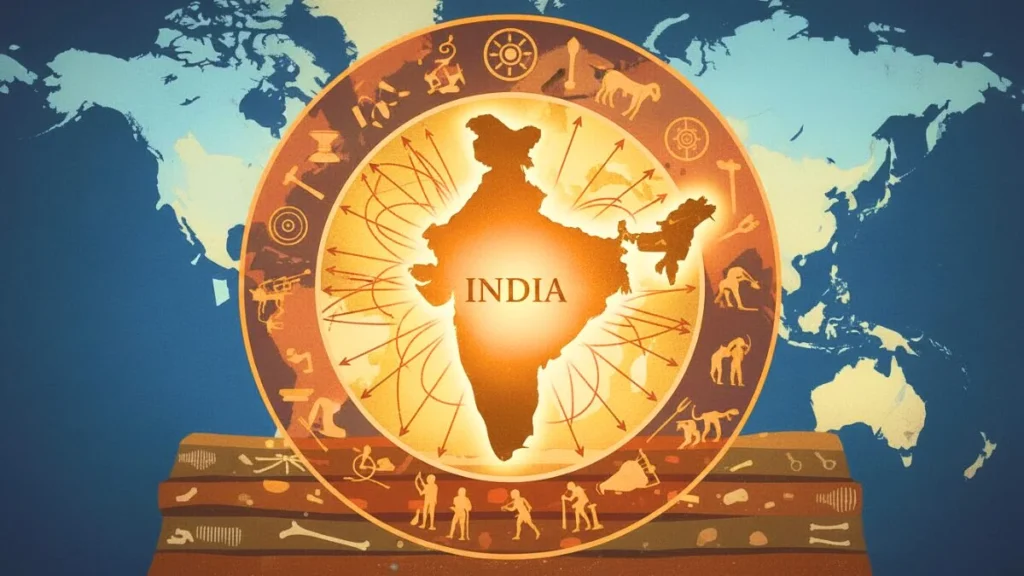
Measurement of intangible victory is admittedly challenging, but proxy indicators exist. Linguistic persistence, onomastic continuity, ritual calendars, local governance customs, and the vitality of communal kitchens are quantifiable to varying degrees. Archaeology and conservation sciences add material baselines, while digital humanities enable corpus analyses of texts and inscriptions at scale. Together, these methods trace the arc of resilience more reliably than campaign-by-campaign ledgers.
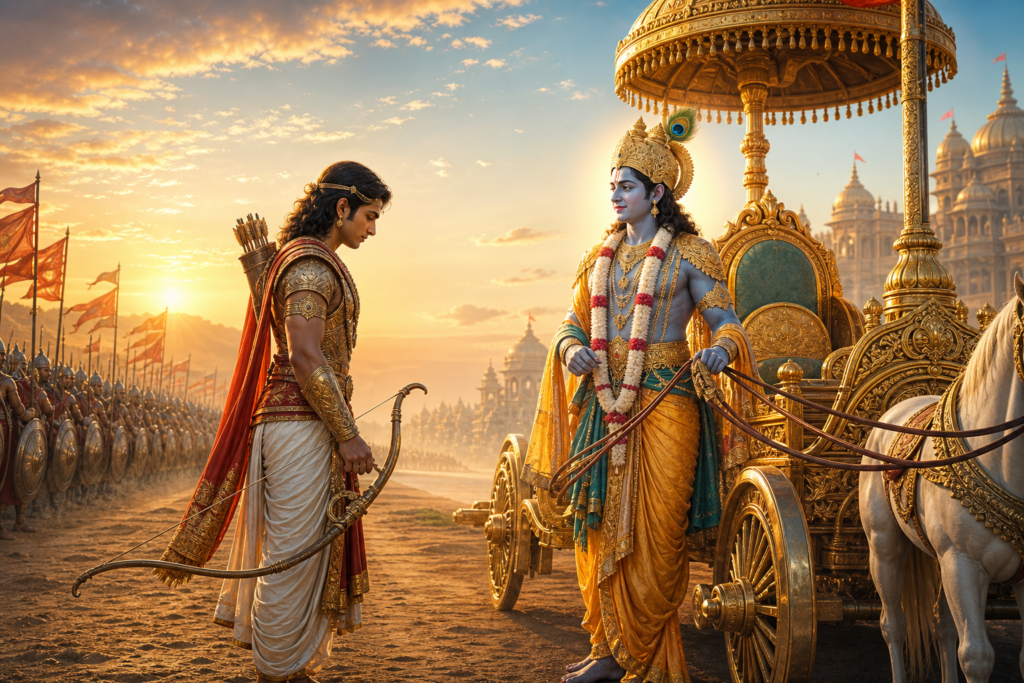
Education policy constitutes a decisive front in the present. Curricula that silo dharmic traditions miss their shared ethical and philosophical foundations. Cross-canon modulesUpanishads alongside Jataka narratives, Jain anekantavada with Vedanta dialogues, Sikh nitnem with Bhagavad-Gita ethicsinvite students to see complementarity rather than competition. Such pedagogy nurtures unity without demanding uniformity, strengthening social capital that cannot be coerced or counterfeited.
The digital age multiplies both threats and opportunities. Disinformation campaigns can fracture trust rapidly, yet diasporic networks, open archives, and community media now preserve manuscripts, inscriptions, and oral histories with unprecedented reach. Platforms that foreground shastrartha-style debaterespectful, evidence-led, and logically structuredrecreate the intellectual ethos of traditional sabhas for contemporary publics. When communities own their memory infrastructure, narrative deterrence improves.
Cultural heritage stewardship is therefore a strategic imperative, not a luxury. Conservation of temples, gurdwaras, viharas, and basadis; documentation of ritual processes; digitization of manuscripts; and support for traditional arts bolster societal continuity. When legal frameworks and civic groups converge around these aims, the result is a durable commonsresistant to polarizing campaigns and more capable of peaceful pluralism.
Ethical guardrails matter in equal measure. The objective is not triumphalism but reconciliation anchored in satya and karuna. A dharmic approach rejects scapegoating and collective blame, insists on historical accuracy without erasing pain, and invests in institutions that transform grievance into constructive reform. This stance is both morally coherent and strategically sound: it widens the coalition for stability.
Policy pathways follow from these insights. Priorities include: robust epigraphic and manuscript missions; community-led conservation; plural, evidence-based curricula; grants for traditional scholarship; interdisciplinary centers for dharmic studies; support for public rituals that strengthen cohesion; and digital standards to authenticate heritage media. Security and diplomacy, too, benefit when cultural intelligence informs risk assessments and engagement strategies.
At the civic level, practical steps are clear. Map local heritage assets; record elders’ testimonies; train youth in archival skills; sustain langar and annadanam ecosystems; promote inter-monastery and inter-sect dialogues; and organize neighborhood study circles that read texts across traditions. Small acts compound into resilient neighborhoods, and resilient neighborhoods scale into resilient polities.
In sum, the war they could not win was a war against continuity itselfagainst the capacity of ordinary people to live by dharma through disruption. Battle outcomes altered maps; memory and meaning redrew the future. Where consent takes root, authority becomes legitimate; where dharma orders life, unity without uniformity prevails. That is why campaigns that misread the civilizational code appear victorious today yet diminished in tomorrow’s mirror of history.
Inspired by this post on SikhNet – News.