-
The War They Could Not Win: Dharmic Unity vs. Empire’s Cultural Offensive (Part 1)

This long-form analysis reframes the nineteenth century as a hybrid strugglemilitary, legal, economic, educational, and narrativebetween an expanding empire and a resilient, plural civilization. It situates the 1857 War of Independence within deeper structural transformations led by the British East India Company and subsequent Crown rule. The discussion explains how revenue settlements, legal codification, and…
-
The War They Could Not Win, Part 2: Strategy, Memory, and Dharmic Civilizational Resilience

This long-form analysis explains why certain campaigns in Indian history became unwinnable at the level of legitimacy, memory, and cultural continuity. Drawing on Clausewitz and Kautilya, it shows how consentnot mere controldetermines durable victory. The piece outlines how dharmic traditionsHinduism, Buddhism, Jainism, and Sikhismcreated resilient social architectures through values like dharma, ahimsa, seva, and anekantavada.…
-
The War They Could Not Win: How Dharmic Resilience Defied Empire and Erasure

This long-form analysis explains why attempts to subdue India’s civilizational core repeatedly failed. It argues that dharmic polycentricityrooted in Hindu, Buddhist, Jain, and Sikh traditionsproduced resilient networks of ethics, learning, and care beyond the reach of central control. Drawing on the Revolt of 1857, British Colonial Rule, and the intellectual countercurrents of Vivekananda and Aurobindo,…
-
Pastor’s Claim Sparks Interfaith Dialogue: Was ‘Jesus’ Taken from Sanatan Dharma by the British Raj?

A viral video of a pastor claiming that “Jesus belongs to Sanatana Dharma” has sparked debate on colonial history, religious identity, and cultural memory. This analysis situates the claim as rhetorical critique rather than literal history, acknowledging documented British colonial extraction while cautioning against conflating it with theological ownership. It highlights dharmic pluralism and India’s…
-
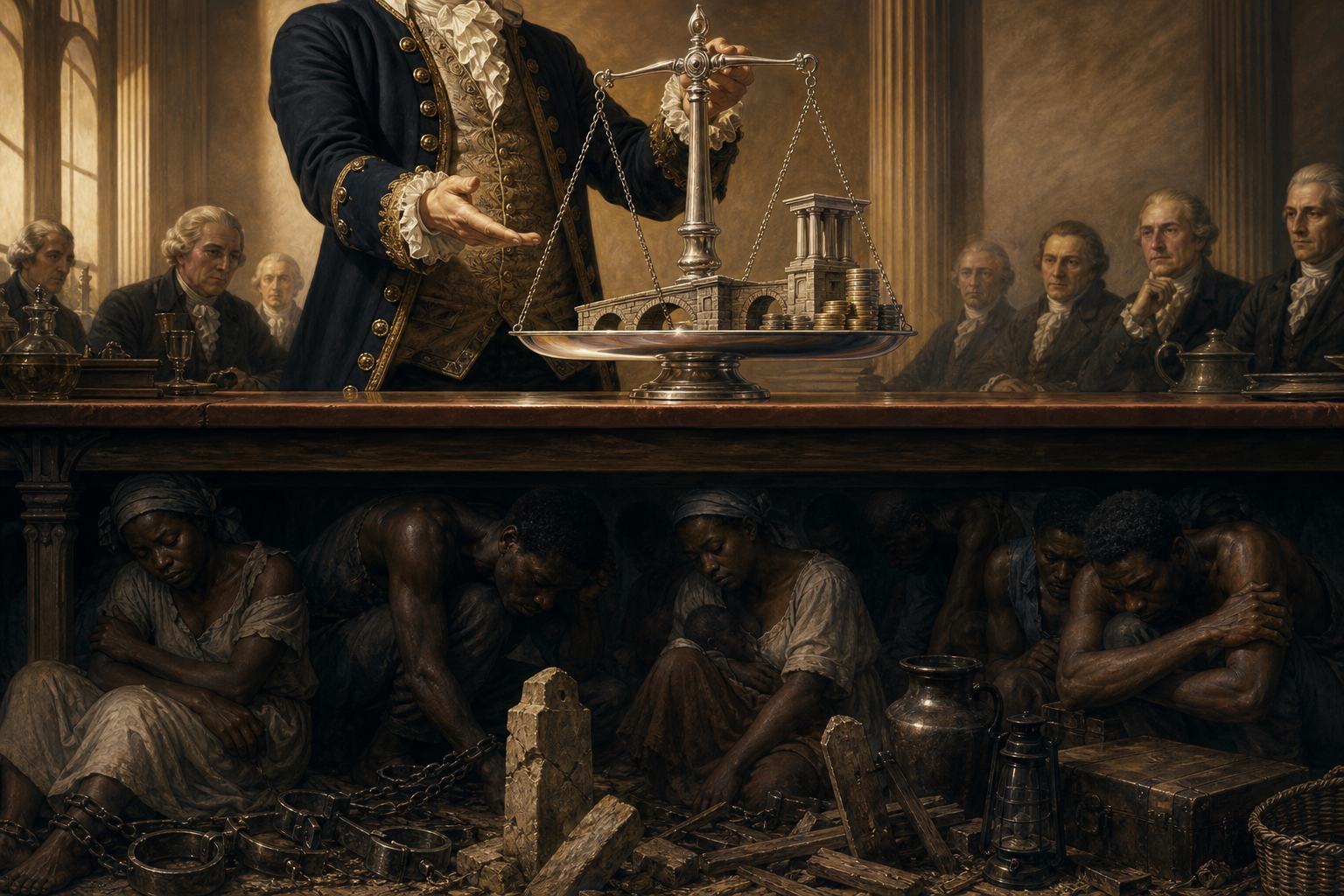
Viscount Valentia’s Candid Defense of Slavery and Empire: A Stark Mirror to Colonial Mindsets

This analysis examines Viscount Valentia’s unapologetic support for colonial slavery and empire, using his own words to illuminate the inner logic of British Colonialism. Readers gain a clear view of how strategic paranoia, economic extraction, and religious rationalization underpinned imperial policy from St. Helena to Bengal. The discussion situates Valentia’s defense of slave-laws within the…
-
The Myth that Mohandas Gandhi Alone Delivered Freedom to India

A hundred and fifty-four years after his birth, the legacy of Mohandas Karamchand Gandhi remains contested in India. Much of this uncertainty stems from extensive propaganda that has obscured vital truths about Gandhi as an activist, leader, politician, demagogue, and unlikely saint. One of the most enduring myths is encapsulated in the single word: Mahatma.…
-
How Macaulay and William Bentinck Demolished the Calcutta Golisri Sanskrit School

Explore the devastating impact of Thomas Babbington Macaulay’s role in undermining India’s rich educational heritage, supported by Governor General William Bentinck and other British officials in the 19th century. Their actions led to the destruction of centuries-old Sanskrit schools and colleges across Bengal, with the Golishri Sanskrit School in Calcutta among the earliest casualties. The…
-
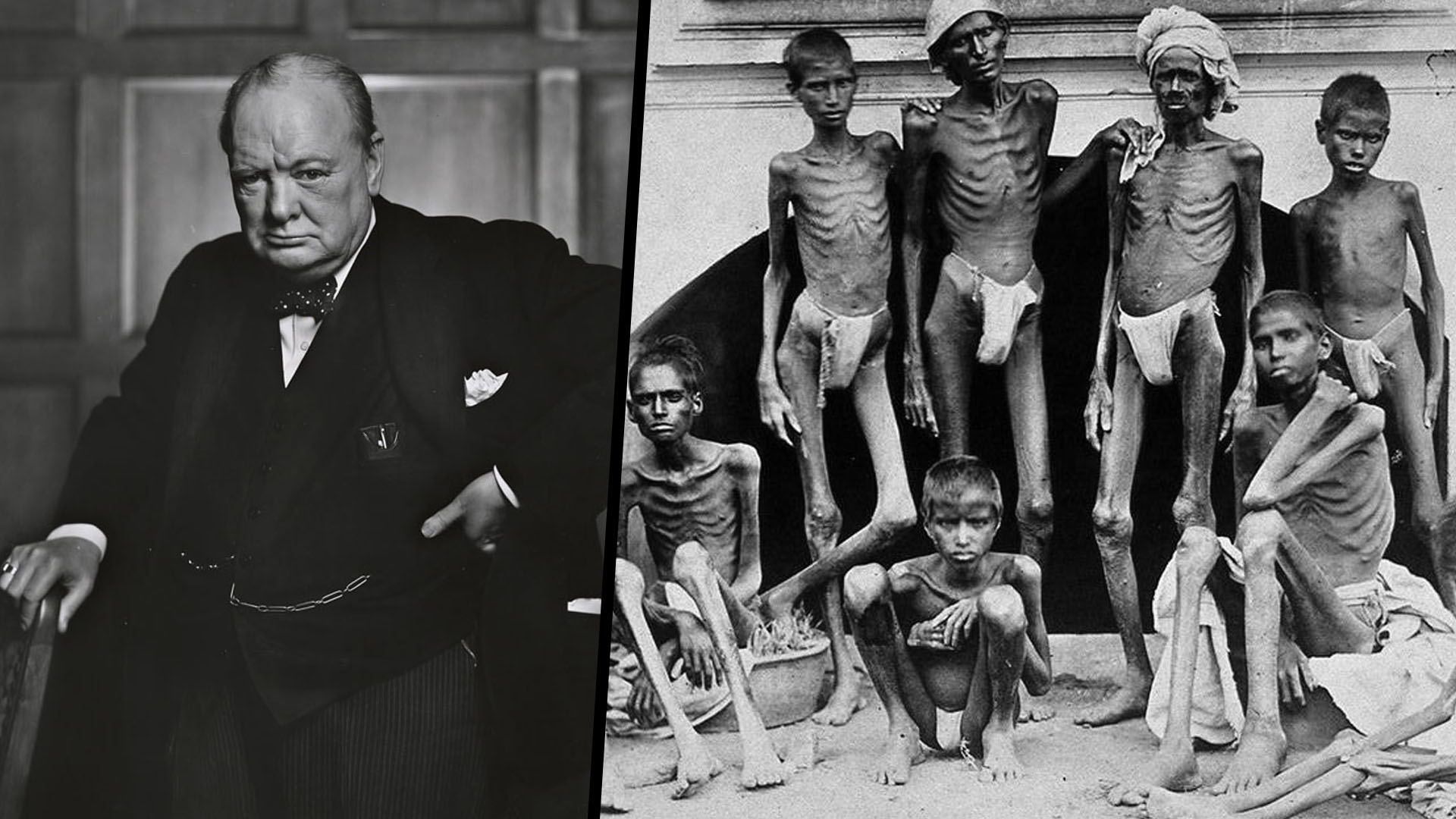
How British Colonialism of India Created a Nation of Beggars