Mahāpātakas in Hinduism—often rendered as “heinous sins”—mark the outer boundary of conduct that tears at the fabric of dharma. Far from a simple list of prohibitions, they represent a moral cartography drawn by Hindu scriptures to protect life, trust, knowledge, and social harmony. Read together with the wider dharmashastra corpus, the concept illuminates how Hindu ethics evaluates intention, action, consequence, and the possibilities of repair through prāyaścitta (expiation). For contemporary readers navigating complex moral terrains—digital life, institutions, families, and citizenship—this framework remains strikingly relevant.
In Sanskrit, pāpa denotes moral wrongdoing, while pātaka (from the root “to fall”) suggests acts that precipitate ruin—personal and societal. The term mahāpātaka identifies the gravest transgressions, though boundaries and enumerations vary across sources. The Dharmashastras and the Dharmasutras, along with epic and puranic literature, approach these acts as disruptions to ṛta (cosmic order) and dharma (righteous order), which together anchor ethical life in Hindu philosophy.
Classical enumerations commonly identify four principal mahāpātakas: brahmahatyā (the gravest form of homicide), surāpāna (intoxication leading to moral dereliction), suvarṇa-steya (theft—classically of gold—symbolizing betrayal of entrusted wealth), and guru-talpagamana (violation of intimate, pedagogical, and conjugal trust, classically defined as intercourse with a teacher’s spouse). Some texts expand the roster by adding general steya (theft in broader forms) or by counting deliberate association with perpetrators of these acts as equivalent to the act itself. Variants across the Manusmṛti, Yājñavalkya Smṛti, Gautama Dharmasūtra, and Āpastamba Dharmasūtra, and their later commentaries, testify to a living discourse rather than a rigid, ahistorical code.
A second ring of serious but lesser transgressions appears as upapātakas. These include sustained falsehood, wanton cruelty to beings, abuses of hospitality, dereliction of sacred duties, corrupt testimony, and exploitation of the vulnerable. While not ranked as the most heinous, they are ethically consequential, often incubating the conditions in which mahāpātakas arise. The dharmic insight is practical: serious collapses in conduct are rarely isolated; they tend to grow from repeated disregard for basic restraints such as ahiṃsā (non-violence), satya (truth), asteya (non-stealing), brahmacarya (chastity or sexual responsibility), and aparigraha (non-hoarding).
The inner logic of mahāpātakas tracks core social and spiritual goods. Homicide attacks life itself. Sexual betrayal corrodes the trust on which education, family, and mentorship rest. Theft—especially of what is held in sacred trust—destroys fiduciary integrity and communal confidence. Intoxication disorders judgment, undermining the capacity to uphold dharma. Across sources, these prohibitions converge on the protection of life, relational sanctity, and responsible stewardship of resources and knowledge—pillars of Hindu society and of any ethical community.
Hindu ethics does not reduce culpability to a bare checklist. Intention (bhāva), knowledge (jñāna), compulsion or emergency (āpaddharma), and the web of participation matter. Traditional analysis recognizes moral roles: kartā (direct doer), karayitā (instigator), and anumantā (approver or silent enabler). This calibrated view parallels insights found across dharmic traditions: in Buddhism, karma is assessed across body, speech, and mind; in Jainism, bondage accrues by intention and intensity of harm; in Sikh thought, the struggle against haumai (ego) and the “five thieves” highlights inner complicity that precedes outer wrongdoing. The unity underlying these perspectives affirms that ethical clarity is a shared civilizational inheritance.
Because human life unfolds in imperfection, the tradition simultaneously preserves pathways of return. Prāyaścitta—expiation or atonement—functions as ethical medicine. The Smṛtis classify graded disciplines: kṛcchra, atikṛcchra, cāndrāyaṇa, and other fasts; pilgrimages; truth-restitution; dāna (charity); intensive study and recitation; vows targeting the specific vice; and long-term service benefiting those harmed. Commentarial literature emphasizes that expiation is not transactional: real amendment requires remorse, cessation, restitution, and character reformation. The act is both personal healing and public reassurance.
A nuanced theological strand adds that sincere devotion can purify the heart. Narratives such as Ajāmila in the Bhāgavata Purāṇa affirm the transformative power of remembrance and surrender. Yet the dharmic consensus rejects cheap grace: spiritual solace never cancels worldly accountability. Legal redress, apology, restitution, and disciplined self-correction remain indispensable. In this way, prāyaścitta integrates law, ethics, and spirituality without allowing any one dimension to eclipse the others.
Modern relevance becomes clear when the categories are translated into today’s moral landscape. Brahmahatyā, understood historically as the gravest homicide, expands ethically to the deliberate taking of human life in any form, including enabling structures of violence. Guru-talpagamana maps to the betrayal of entrusted intimacy and authority in workplaces, schools, and communities—sexual coercion, abuse of power, and violations of consent. Suvarṇa-steya illuminates public corruption, corporate fraud, and the embezzlement of charitable or public funds—wealth held in trust. Surāpāna warns against intoxication, including substance misuse that imperils self and others (for instance, drunk driving). The moral grammar remains coherent even as the particulars evolve.
Newer frontiers invite dharmic reflection. Systematic disinformation that incites violence, large-scale environmental destruction that grievously harms sentient beings and communities, and cyberharassment that devastates mental health can be evaluated through the same principles that prioritize life, truth, justice, and compassion. In each case, intention, scope of harm, and betrayal of trust help determine gravity. The dharmic lens is neither archaic nor punitive by default; it is a structured way to protect what is most precious.
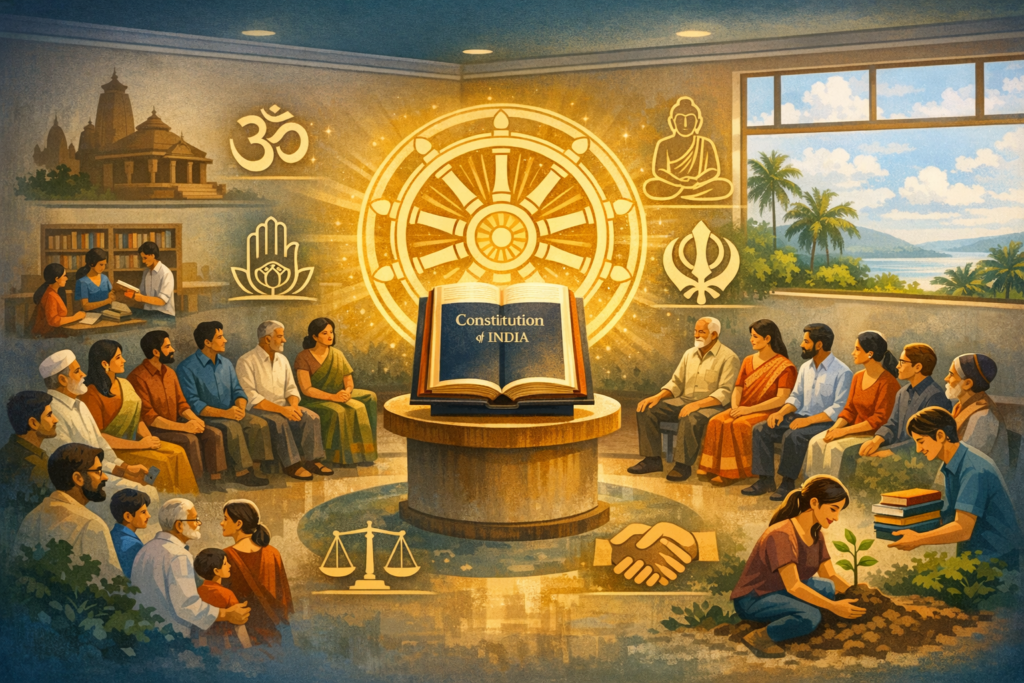
The broader dharmic family shares these ethical contours. Buddhism’s pañca-sīla (abstaining from killing, stealing, sexual misconduct, false speech, and intoxicants), Jainism’s mahāvratas and anuvratas (centered on ahiṃsā and restraint), and Sikhism’s emphasis on honest labor (kīrat karṇī), remembrance (nām simran), and welfare of all (sarbat da bhala) converge on protecting life, truth, fidelity, and sobriety. Differences in metaphysics do not obscure a shared ethical core. This unity is not accidental; it reflects a civilizational commitment to sustaining trust and compassion in plural societies.
Three elements shape the dharmic assessment of gravity. First, the moral psychology of the act: premeditated malice weighs more heavily than impulsive error, though both matter. Second, participation: enablers and approvers share responsibility, particularly when positioned to prevent harm. Third, reparability: where restitution is possible, it is morally demanded; where it is not (as in loss of life), long-term service, humility, and transparent accountability become the ethical minimum.
Consider settings many readers know well. In a workplace, a senior professional exploiting authority for sexual gain enacts a contemporary form of guru-talpagamana, undermining mentorship and institutional trust. Prāyaścitta here cannot be symbolic; it requires legal accountability, institutional reform, apology to victims, transparent monitoring, and sustained service that corrects the power imbalance. In civic life, embezzlement of public funds mirrors suvarṇa-steya; meaningful expiation includes full restitution with penalties, disqualification from fiduciary roles, and tangible community repair. In private life, substance abuse leading to harm echoes surāpāna; the path forward entails treatment, amends to those harmed, legal compliance, and steadfast sobriety.
Digital ethics presents another proving ground. Coordinated harassment, doxxing, and incitement of violence through falsehood degrade the same moral goods guarded by the Dharmashastras. Acts that recklessly endanger lives and reputations are not trivial because they are online; they often scale faster and cut deeper. A dharmic response combines personal restraint (truthful, compassionate speech), platform accountability (transparent policies, humane enforcement), and restorative processes when harm occurs.
Environmental ethics, too, aligns with the dharmic horizon. Large-scale ecological harm—poisoning water, destroying habitats, imperiling future generations—violates ahiṃsā at scale and betrays stewardship dharma. While classical texts do not list “ecocide,” their logic clearly condemns grievous, preventable harm to beings and the life-sustaining order. Expiation here resembles long-horizon repair: remediation, protection, regenerative practices, and a binding commitment to guard shared resources.
For householders and students, practical guardrails emerge from the yamas and niyamas shared across Indic traditions: practice of ahiṃsā, satya, asteya, brahmacarya, and aparigraha; cultivation of contentment, discipline, self-study, and devotion. Simple disciplines—mindful speech, consent-centered relationships, transparent finances, digital hygiene, and sobriety—prevent the drift toward grievous harm. When lapses occur, daily and periodic self-audit practices like pratikraman (reflective repentance in Jain practice) or guided confession to a trusted teacher or community elder help align regret with reform.
Textual diversity invites responsible reading. The Dharmashastras speak from particular times and contexts, and some historical formulations reflect social hierarchies no longer acceptable today. The dharmic task is not to freeze the letter but to embody the spirit—universalizable care for life, consent, truth, and fiduciary trust—across changing circumstances. This principle-driven approach honors scripture’s intent while sustaining ethical relevance.
Equally, expiation is never a substitute for civil law. Where the modern state must act, it should. Prāyaścitta complements, it does not replace, legal accountability. This dual fidelity—to inner transformation and outer justice—guards against both moralism without mercy and spirituality without responsibility.
The comparative canvas across Hinduism, Buddhism, Jainism, and Sikhism offers hope. Each tradition equips practitioners with resources to prevent harm and to repair it when it occurs—ethical vows, communal oversight, remembrance of the sacred, and service. Emphasizing this unity strengthens social trust and counters fragmentation. It affirms that, within the dharmic family, ethical life is a shared project, not a sectarian competition.
In sum, mahāpātakas define a boundary not to constrict life but to preserve its sanctity. They protect the essentials: life and dignity, the integrity of intimate and pedagogical relationships, the trust upon which economies and institutions stand, and the clarity of mind needed to uphold dharma. Their language is ancient; their wisdom is immediate. By integrating intention-sensitive assessment, meaningful expiation, and a commitment to unity across dharmic traditions, contemporary society can transform remorse into repair and vigilance into virtue.
When understood in this spirit, the discourse on mahāpātakas becomes less about tallying guilt and more about building resilient character and compassionate communities. That, in essence, is the enduring promise of Hindu ethics: to show how individuals and societies can fall, and then rise, stronger and more humane, under the wide canopy of dharma.
Inspired by this post on Hindu Blog.