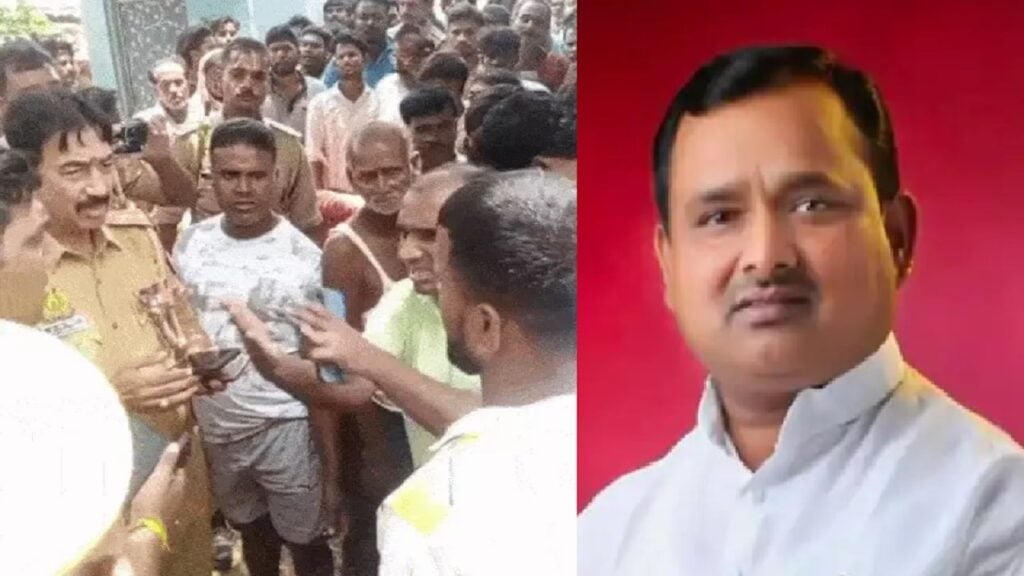
On 18 March 2026, the Maharashtra Legislative Assembly passed the Freedom of Religion Bill 2026publicly framed as “Not Against Any Religion”after a vigorous but measured debate. While the Congress party termed the move unconstitutional, Shiv Sena (UBT) extended support, and Uddhav Thackeray’s endorsement sparked state-wide discussion across ideological lines. The development invites a careful constitutional, social, and administrative appraisal grounded in India’s plural ethos and Maharashtra’s lived experience of interfaith coexistence.
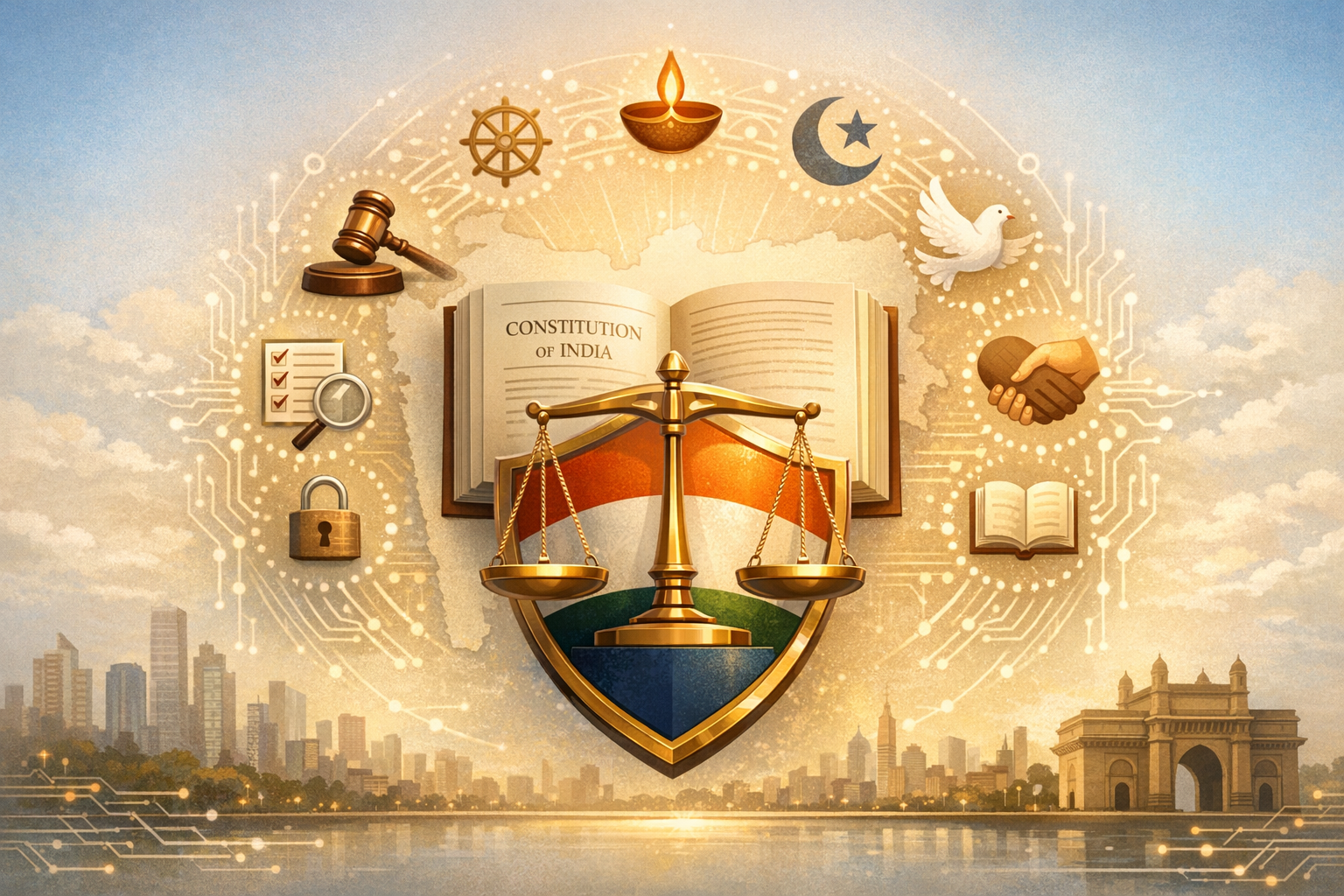
At the constitutional level, Article 25 protects freedom of conscience and the right to freely profess, practice, and propagate religion, subject to public order, morality, and health. The Supreme Court’s decision in Rev. Stanislaus v. State of Madhya Pradesh (1977) clarified that “propagate” does not extend to a right to convert another person, particularly by force or fraud, thereby affirming the competence of states to regulate harmful practices under the rubric of public order. Any “Freedom of Religion” statute must therefore be narrowly drawn, evidence-led, and administratively fair to withstand judicial scrutiny while preserving individual autonomy.
Maharashtra’s action aligns the state with a broader Indian legislative landscape, where several states have enacted statutes aimed at curbing forced or fraudulent conversions. These laws are generally styled as “Freedom of Religion” Acts to emphasize the central objective: safeguarding freedom of conscience by deterring coercion, undue influence, fraud, and organized inducements. The Maharashtra Freedom of Religion Bill 2026 follows this lineage while emerging from the state’s specific political dynamics involving BJP Maharashtra, Shiv Sena formations, and opposition parties.
Stated intent matters. The government’s articulation“Not Against Any Religion”signals an attempt to balance competing imperatives: protect individuals from coercive practices and simultaneously affirm that voluntary conversions, grounded in informed and genuine consent, remain constitutionally protected. Achieving this balance requires precise statutory language, transparent procedures, and robust safeguards against misuse.
Although final text and rules will govern, such laws in India typically define key terms such as “coercion,” “undue influence,” “allurement,” “fraud,” and “mass conversion.” They often prescribe graded penalties, with enhanced sentences where victims are minors, women, or persons from Scheduled Castes/Tribes. Procedural elements sometimes include prior or post-conversion intimations to a district magistrate, verification of voluntariness, and public record-keeping. The constitutional test turns on whether these mechanisms are narrowly tailored to prevent harm without chilling legitimate religious choice or peaceful interfaith activity.
Due process architecture is pivotal. Where magistrate oversight exists, statutory timelines, notice protocols, and non-intrusive verification procedures should be clear and predictable. A fair process would incorporate voluntary, informed declarations by adults, opportunities for confidential representation, and an unequivocal bar on any form of harassment. Provisions should explicitly protect privacy and dignity, consonant with K.S. Puttaswamy (2017), which foregrounded informational self-determination as part of the right to privacy.
Constitutional jurisprudence offers both anchors and cautionary signals. Rev. Stanislaus supports state power to curb coercion and fraud. At the same time, judgments such as Shafin Jahan v. Asokan K.M. (2018) reaffirm adult autonomy in intimate and life-choosing decisions, and Lata Singh v. State of U.P. (2006) underscores protection for adults exercising choice, including in marriage across social and religious lines. A Maharashtra framework aligned with these principles would prevent abuse while respecting conscience and agency.
Clarity in definitions will likely determine constitutional durability. Overbroad or vague terms risk chilling effect, where fear of legal consequences discourages benign religious expression, social service, or interfaith dialogue. Narrow, well-defined thresholdssupported by evidentiary standardshelp ensure that only genuinely coercive, fraudulent, or organized manipulative conduct is deterred, while everyday religious life remains unimpeded.
Procedural safeguards strengthen both justice and legitimacy. Recommended features include: (a) legal aid and counseling access for complainants and respondents; (b) stringent penalties for malicious or false complaints; (c) clear burden-of-proof standards consistent with criminal law; (d) independent oversight mechanisms; and (e) multilingual, accessible processes across Maharashtra’s diverse districts. These safeguards signal that the law targets wrongful conduct, not identity or belief.
Transparency and data are essential for public trust. Annual white papers, disaggregated statistics on complaints and outcomes, time-to-disposal metrics, and district-wise anonymized dashboards would enable oversight by the legislature, courts, civil society, and the media. Standardized classification in crime records, combined with periodic academic audits, would keep implementation evidence-based and responsive to ground realities.
The social context matters deeply in Maharashtra, where urban neighborhoods and rural communities alike are woven from Hindu, Muslim, Christian, Buddhist, Jain, Sikh, and other traditions. Citizens frequently report that interfaith friendships, shared festivals, and local service initiatives are part of daily life. For many families, the promise of this law will be measured not only in legal text but also in whether it fosters trust, deters exploitation, and preserves the easy sociability they value.
The political dynamics are notable. Congress has criticized the Bill as unconstitutional; Shiv Sena (UBT) has supported it; and Uddhav Thackeray’s stance has generated discussion about cross-aisle convergence on coercion-related safeguards. This configuration departs from predictable partisan lines and reflects a broader electoral and policy recalibration in Maharashtra politics, where public order, rights, and social harmony intersect with campaign narratives ahead of future contests.
Cross-ideological convergence is achievable when the focus is narrow and principled: deter coercion and fraud; preserve freedom of conscience; and enforce the law evenhandedly. If Maharashtra’s rules of implementation are consultative and calibrated, the Bill can become a rights-preserving instrument rather than a terrain for cultural polarization. Such a trajectory would strengthen both constitutional fidelity and public confidence.
A dharmic lensdrawing from Hinduism, Buddhism, Jainism, and Sikhismunderscores shared commitments to ahimsa, dignity, and freedom of inner search. These traditions reject coercion in matters of faith and uphold sincerity of intent. Maharashtra can institutionalize this spirit by creating interfaith and intrafaith advisory forums to guide training, mediation, and community outreach, ensuring that law enforcement and administration absorb ethical, non-sectarian principles rooted in India’s civilizational wisdom.
Civil society and charitable service must be protected. The statute and rules should make clear that legitimate social work, education, health care, and humanitarian outreachacross all communitiesare lawful and encouraged, provided there is no coercion or fraud. Clarity here prevents the stigmatization of service and aligns the Bill with the constitutional guarantee of the right to practice religion and to engage in benevolent works.
Gender, caste, and tribal protections must respect adult agency. Enhanced penalties for crimes against minors and vulnerable groups are appropriate, yet adultsespecially womenmust retain unambiguous freedom to choose or change faith. Judicial guidance in Shafin Jahan cautions against paternalism over adult choice. Maharashtra’s processes should therefore be protective without becoming intrusive, affirming that consent and conscience belong to the individual.
Administratively, implementation can leverage technology judiciously. Secure digital portals for notices and declarations, stringent data-protection protocols, limited data retention, encrypted transmission, and auditable access logs will align with privacy jurisprudence. Time-bound workflows, SMS/email status updates, and multilingual interfaces can reduce friction while ensuring procedural fairness and transparency for all parties.
Capacity building is indispensable. Standard operating procedures for police and magistrates, scenario-based training, human-rights modules, and periodic refresher courses will reduce discretion-driven variance. Clear checklists for voluntariness assessments, victim assistance protocols, and coordination with Legal Services Authorities can ground implementation in due process rather than ad hoc practice.
Independent oversight deepens accountability. Maharashtra could mandate a biannual review before a legislative committee and commission an external impact evaluation after 24 months, resulting in recommended amendments. A narrowly focused grievance-redress mechanismspeedy, accessible, and freewould help correct errors early and sustain confidence across communities.
Comparative experience, domestically and internationally, suggests that laws addressing coercion fare best when they (a) define harm with precision; (b) embed strong procedural safeguards; and (c) actively prevent misuse through penalties and oversight. The measure of success is not in the number of prosecutions alone, but in reduced grievances, improved community relations, and the continuing vibrancy of India’s religious and cultural life in Maharashtra.
Litigation is likely and can be constructive. Courts may examine the Bill’s definitions, procedures, and proportionality. A statute that transparently targets coercion and fraud, respects adult autonomy, protects privacy, and provides remedies for misuse will better withstand judicial review. Clarificatory rules and circulars can further align day-to-day administration with constitutional expectations.
For many in Maharashtrafrom college students in Pune who cherish interfaith friendships to families in Mumbai’s neighborhoods who share festivals across traditionsthe aspiration is simple: preserve freedom of conscience and keep communities cohesive. With principled drafting, empathetic implementation, and non-partisan oversight, the Freedom of Religion Bill 2026 can meet constitutional standards and reinforce Maharashtra’s enduring commitment to unity in diversity.
Ultimately, the test for any “Freedom of Religion” law is whether it advances both liberty and order. Maharashtra now has the opportunity to demonstrate that robust safeguards against coercion can sit comfortably alongside expansive protection for voluntary belief, dialogue, and service. Done well, this legislation can become a model of constitutional fidelity, administrative prudence, and social harmony.
Inspired by this post on Struggle for Hindu Existence.