
-
The Overlooked Legacy of Monoranjan Dhar in Bangladesh’s Fight for Freedom

Advocate Monoranjan Dhar’s life passed through some of the most decisive moments in Bengal and Bangladesh’s modern history. He participated in anti-colonial politics, joined the Language Movement, advised the Mujibnagar Government during the 1971 Liberation War, and later served as Bangladesh’s first ambassador to Japan and minister of law. Despite this extensive record, he never…
-
Decoding the ‘Halal Economy’: Law, Markets, and Inclusive Trade Strategies in India

An entrepreneurs’ session in Kolhapur, Maharashtra examined the expanding “Halal economy” within India’s secular constitutional framework. This analysis reframes the debate in terms of economics, law, and supply-chain design to help traders and MSMEs navigate certification-driven markets. It details how Halal, Kosher, vegetarian/vegan, organic, and jhatka assurances can coexist as voluntary, transparent signals. It outlines…
-
West Bengal Ends Religion-Based Aid: Imam–Muezzin–Purohit Stipends Reviewed for Neutral Welfare
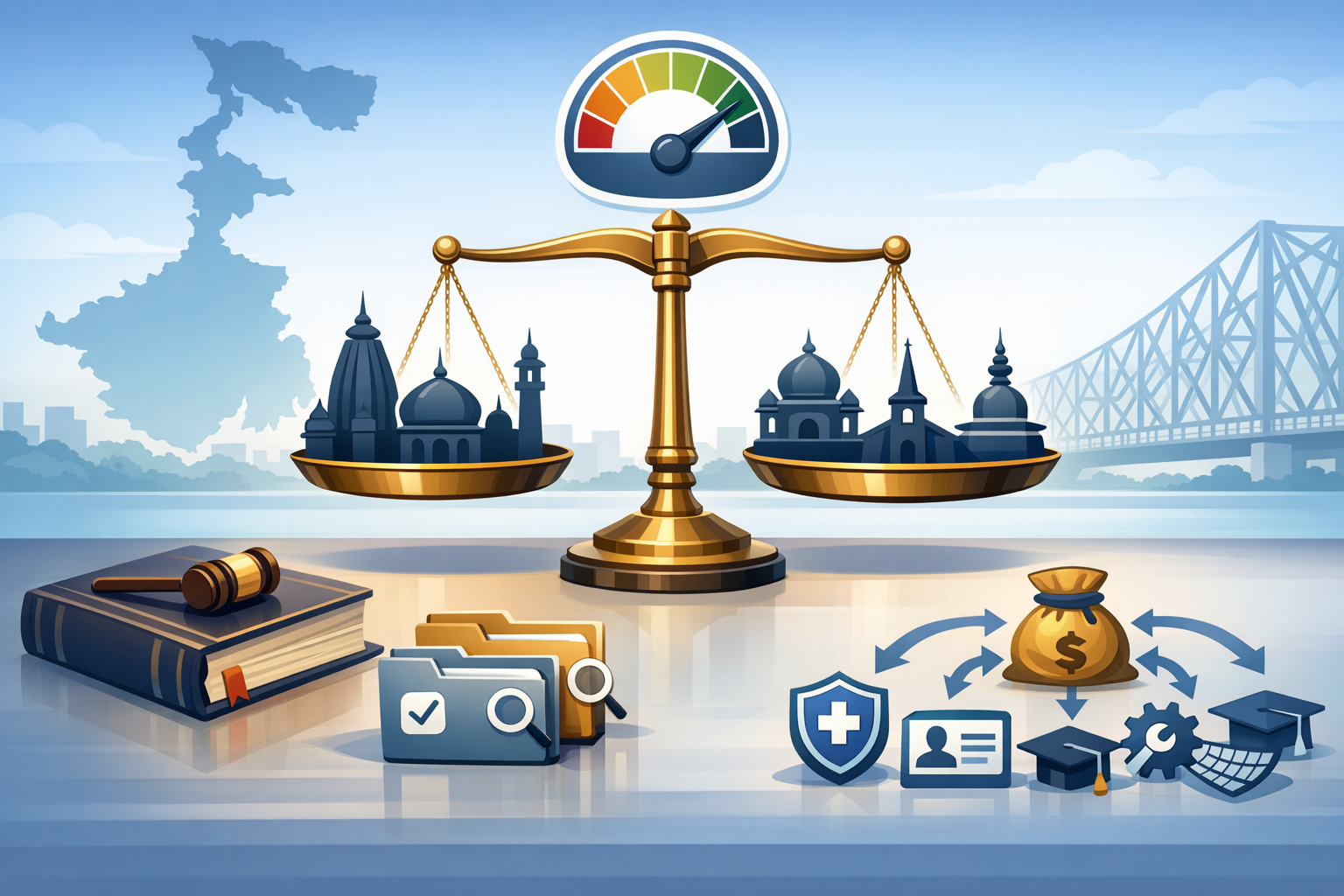
West Bengal has announced the sunset of religion-based aid schemes and a comprehensive review of imam, muezzin, and purohit stipends, signaling a transition toward religion-neutral welfare. The move is framed within Articles 14, 15, 25–27 of the Constitution and long-standing jurisprudence that safeguards religious freedom while prohibiting the promotion of any particular denomination using tax…
-
Jharkhand Governor to raise ‘corporate jihad’ grievances with PM, seeking a transparent probe
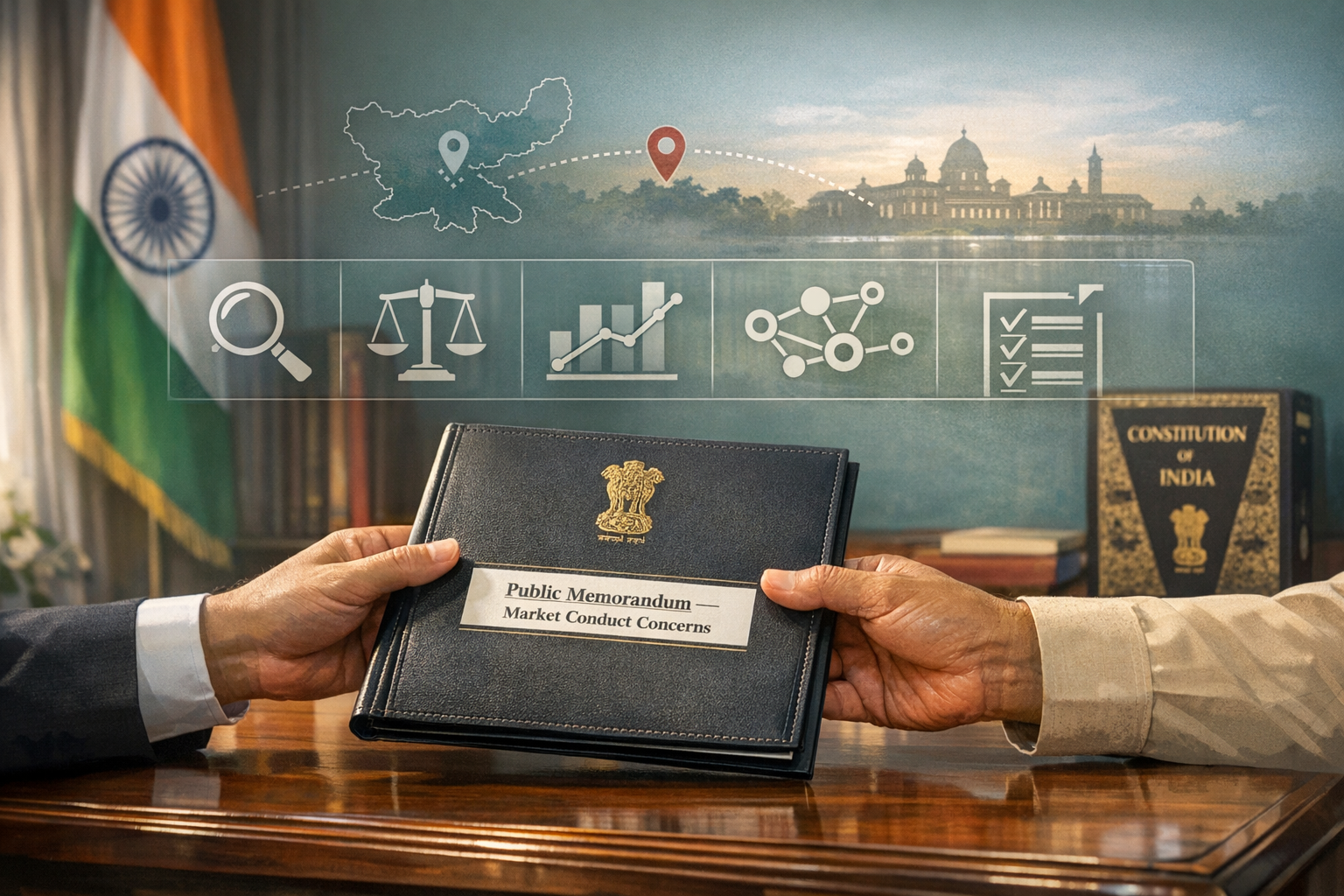
A memorandum submitted in Jharkhand alleging coordinated corporate misconductdescribed by petitioners as “corporate jihad”will be conveyed by the Governor to the Prime Minister for appropriate consideration. The constitutional pathway emphasized here prioritizes due process, evidence, and regulatory competence over rhetoric. A rigorous inquiry, if initiated, would likely engage the MCA, SEBI, and the CCI to…
-
Goa Bail Row: Gautam Khattar, St. Francis Xavier Remarks, Protests, and Law vs. Free Speech
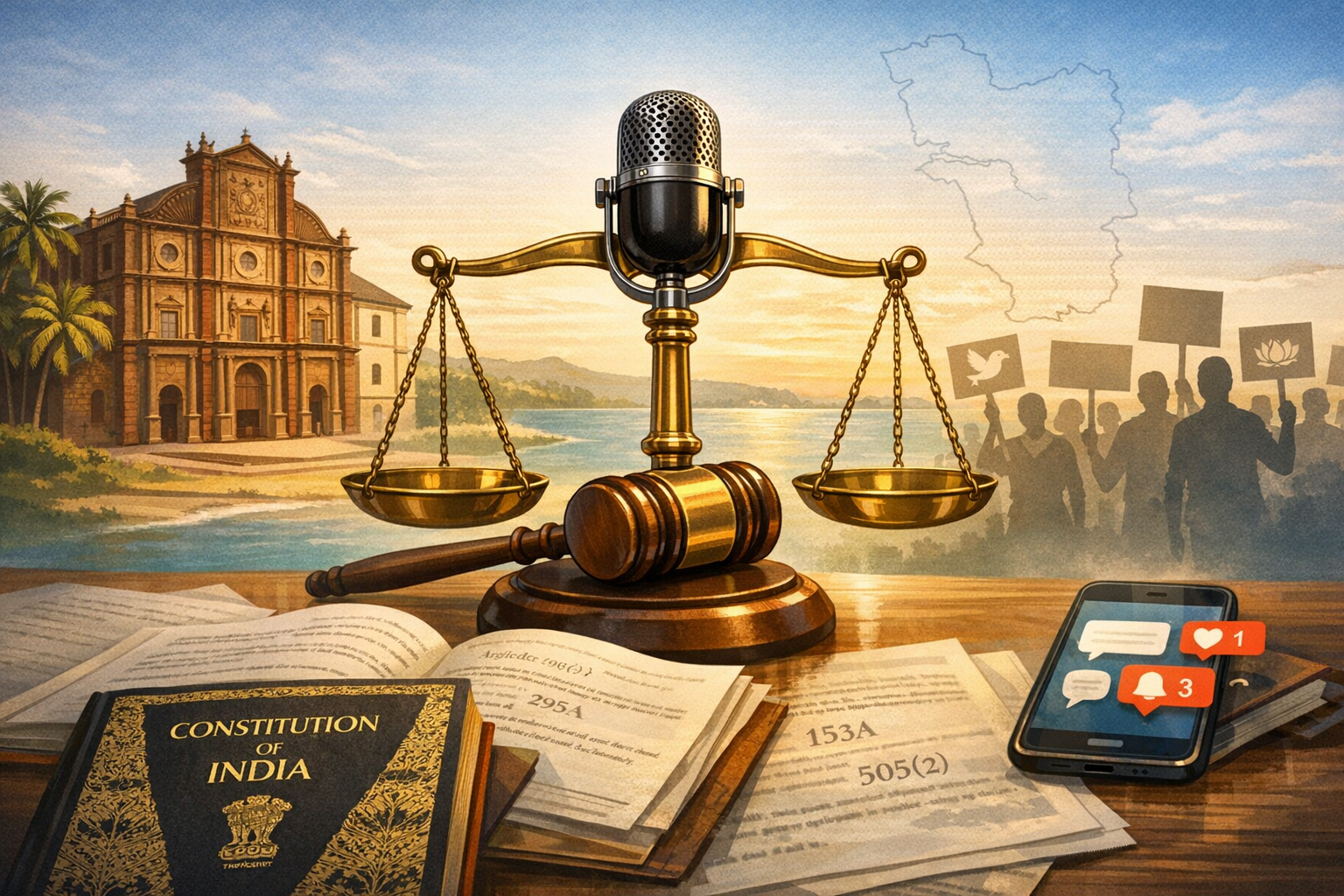
On 2 May 2026 in Panaji, Goa, YouTuber Gautam Khattar was granted bail after detention over allegedly derogatory remarks about St. Francis Xavier, triggering Hindu protests and counter-reactions. This analysis explains why St. Francis Xavier holds deep significance in Goa’s cultural fabric and why online remarks can quickly affect offline harmony. It outlines India’s constitutional…
-
Goa Police arrest of Hindu activist Gautam Khattar: nationwide outrage and constitutional scrutiny
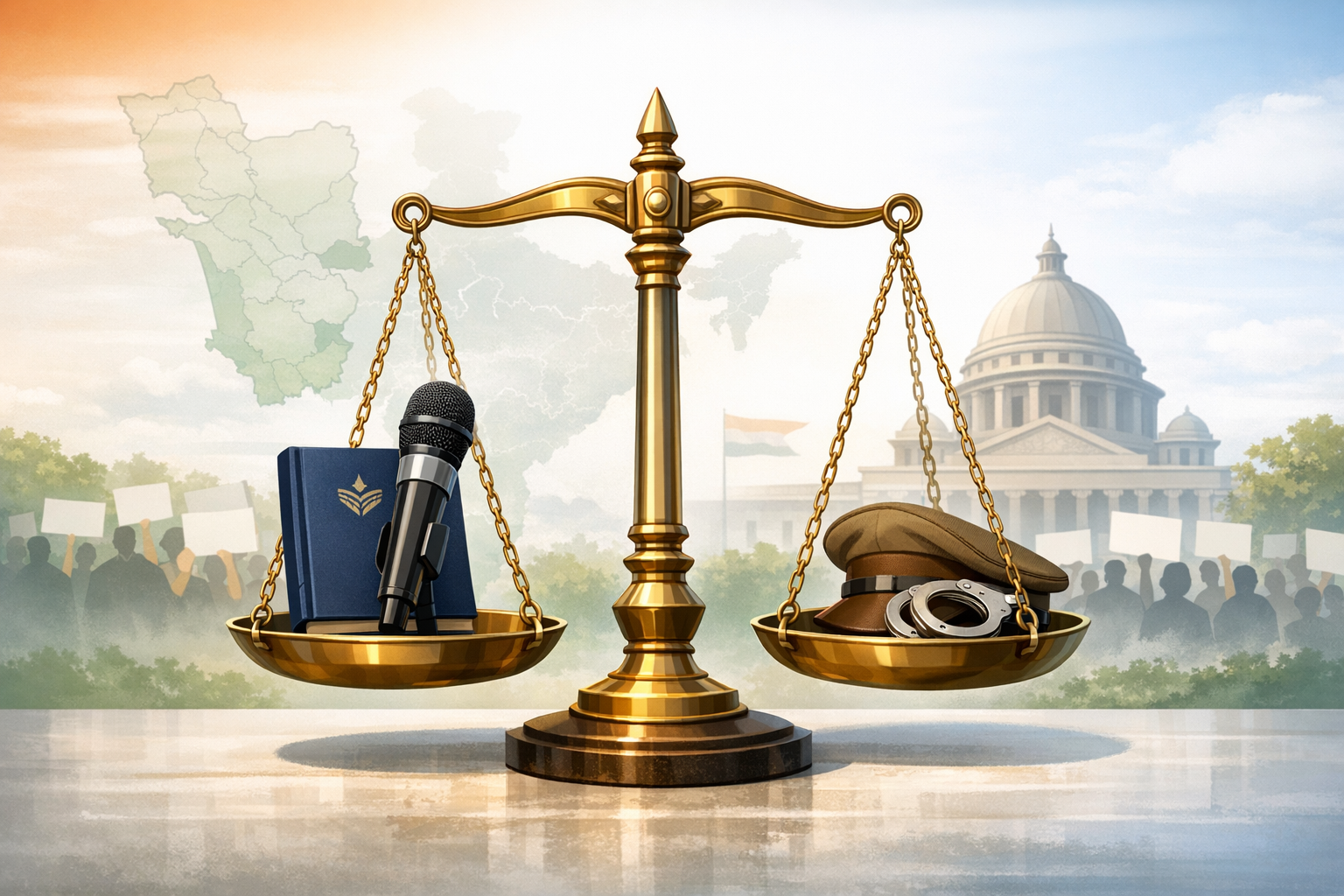
Goa Police arrested Hindu activist Gautam Khattar for alleged hate speech, triggering nationwide condemnation and a renewed debate on free speech, hate speech, and due process. This analysis explains the constitutional framework under Articles 19(1)(a) and 19(2), the statutory thresholds in IPC Sections 153A, 295A, and 505(2), and key Supreme Court guardrails like the advocacy–incitement…
-
Criminal Complaint Against Prakash Raj Over Ramayana Video Ignites Legal and Social Firestorm

Reports indicate a criminal complaint has been filed against actor Prakash Raj after a video linked to the Ramayanaperceived by some as mocking Prabhu Shri Ramwent viral. The case spotlights India’s legal thresholds for speech touching religion, especially Section 295A IPC, and Supreme Court precedents that demand proof of deliberate and malicious intent. It also…
-
Washington’s Moral Authority in 2026: The Constitution as a Dharmic, Pluralist Compass

Washington’s moral authority in 2026 should be anchored in the U.S. Constitution understood as a moral covenant rooted in popular sovereignty, natural law, and inalienable rights. Treating separation of powers, checks and balances, and federalism as ethical constraints on power safeguards liberty while enabling responsive governance. The piece offers a practical constitutional impact protocolrights risk…
-
Hyderabad Cancels Naseef Akhtar Show After Dharma Complaints: Law, Ethics, and the Way Forward

Authorities in Hyderabad cancelled comedian Naseef Akhtar’s show following complaints that certain remarks were disrespectful to Dharma and culture. This analysis explains how India’s constitutional framework (Article 19) and penal provisions (including Section 295A IPC) shape such decisions while courts insist on a proximate threat standard. It outlines practical steps artists, organizers, and authorities in…
-
Ram Navami Clashes, Nitesh Rane’s ‘Equal Rules’ Call, and a Blueprint for Harmony
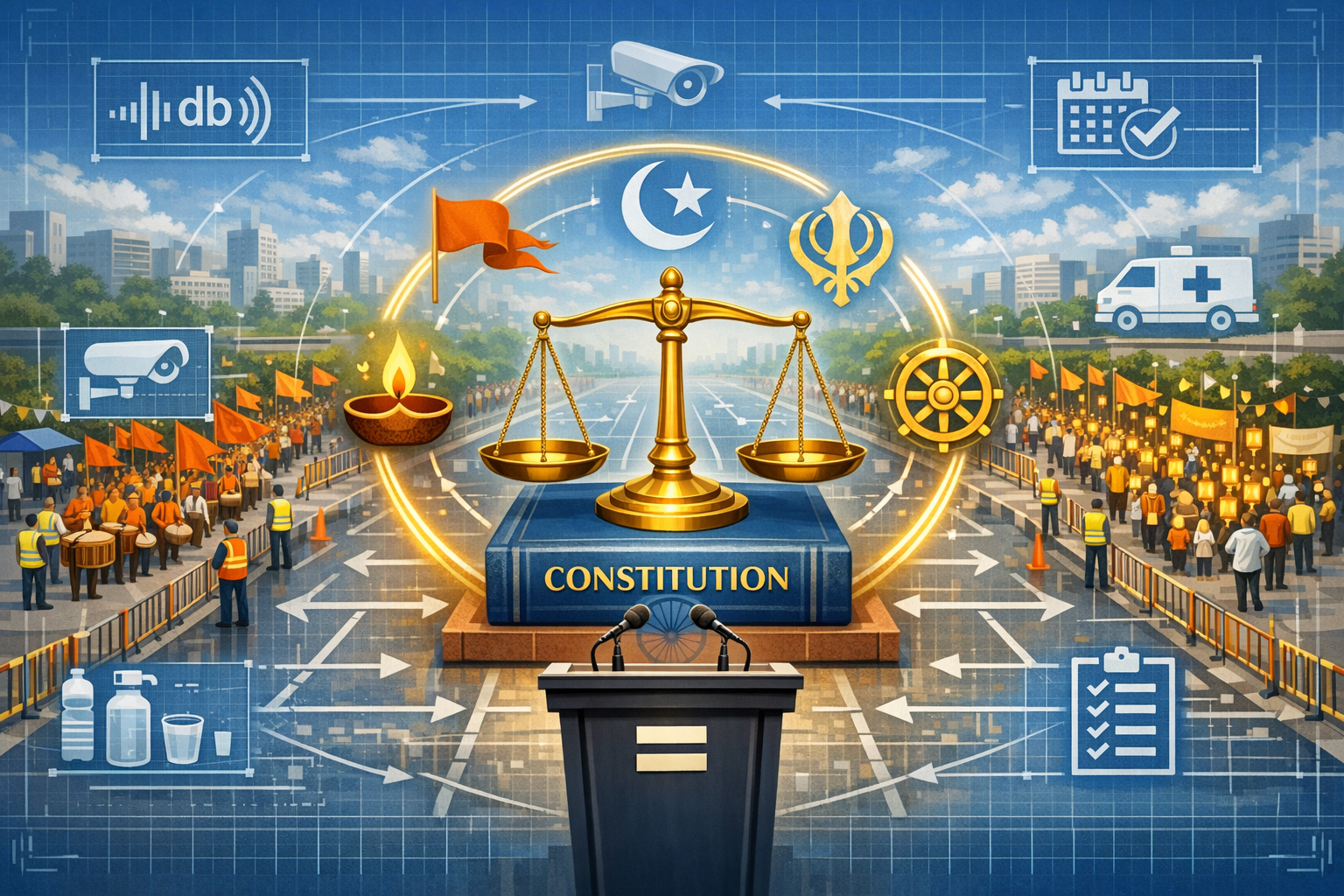
A heated exchange around Ram Navami 2026 and Nitesh Rane’s call for “equal rules” across festivals highlights a core civic challenge: protecting religious freedom while ensuring public order. This analysis maps the constitutional framework (Articles 14 and 25–28), explains content-neutral, time–place–manner regulation, and outlines how parity looks in real operations. It details actionable stepssingle-window permissions,…
-
Maharashtra’s Freedom of Religion Bill 2026: Safeguards, Constitutional Tests, and Harmony
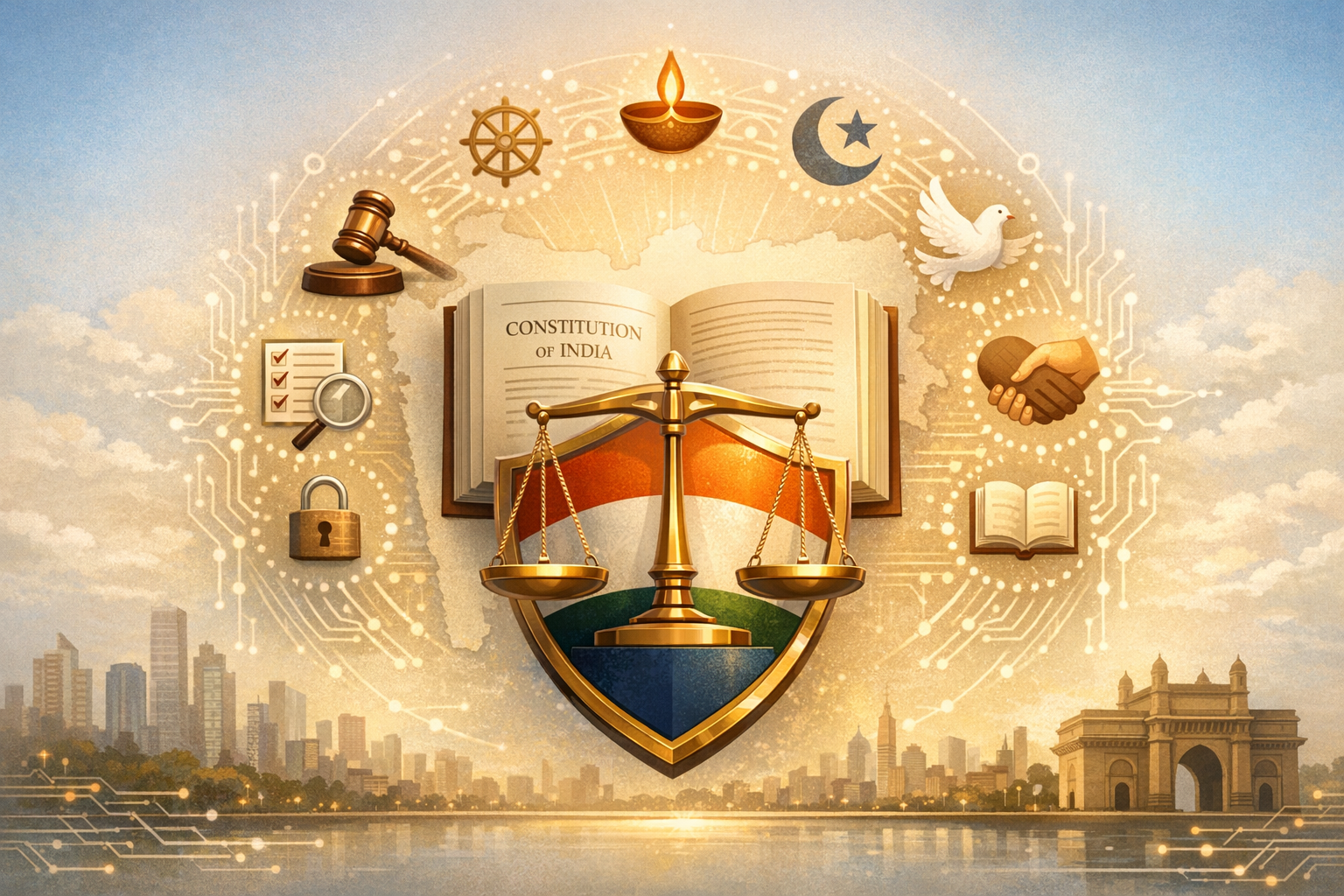
On 18 March 2026, the Maharashtra Legislative Assembly passed the Freedom of Religion Bill 2026, presented as “Not Against Any Religion.” Congress has called it unconstitutional, while Shiv Sena (UBT) extended support, prompting a rare cross-aisle debate. The Bill sits within a constitutional framework that protects freedom of conscience (Article 25) yet permits states to…