Avighna Vrata (also known as Avigna Vratam) is observed over two sacred tithisChavithi and Panchamiduring the Shukla Paksha (bright fortnight) of the Falgun month (February–March). In 2026, the principal observance falls on February 22, aligning with the auspicious Chavithi–Panchami window in the Hindu calendar. Rooted in the ideal of avighnathe removal of obstaclesthis vrata is traditionally dedicated to Sri Ganesha, the compassionate remover of impediments and the harbinger of auspicious beginnings.
Across regions and family traditions, the two-day rhythm of Chavithi followed by Panchami allows devotees to prepare, reflect, and anchor intentions with steadiness. While February 22, 2026, is the widely referenced date, the exact tithi alignment may vary by location. Consulting a trusted local panchang ensures precise sunrise-based tithi timings for both days of observance in the Shukla Paksha of Falgun.
The significance of Avighna Vrata extends beyond external success. Devotees undertake this vow to address inner obstacles such as indecision, anxiety, and distraction, cultivating clarity and resilience. By honoring Ganesha during Shukla Paksha, the vrata symbolically affirms growth, renewal, and auspiciousness at a time associated with light and expansion in the lunar cycle.
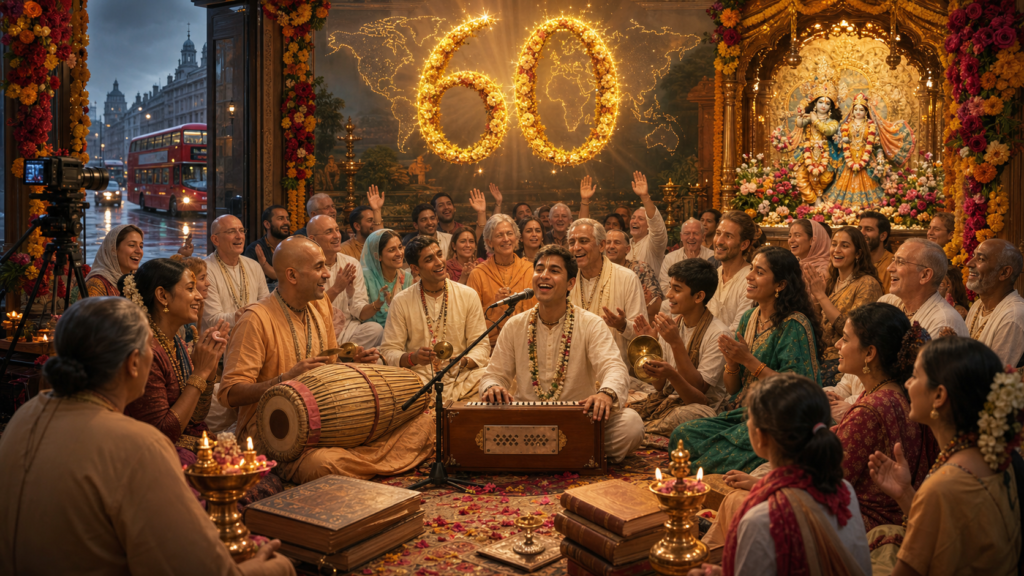
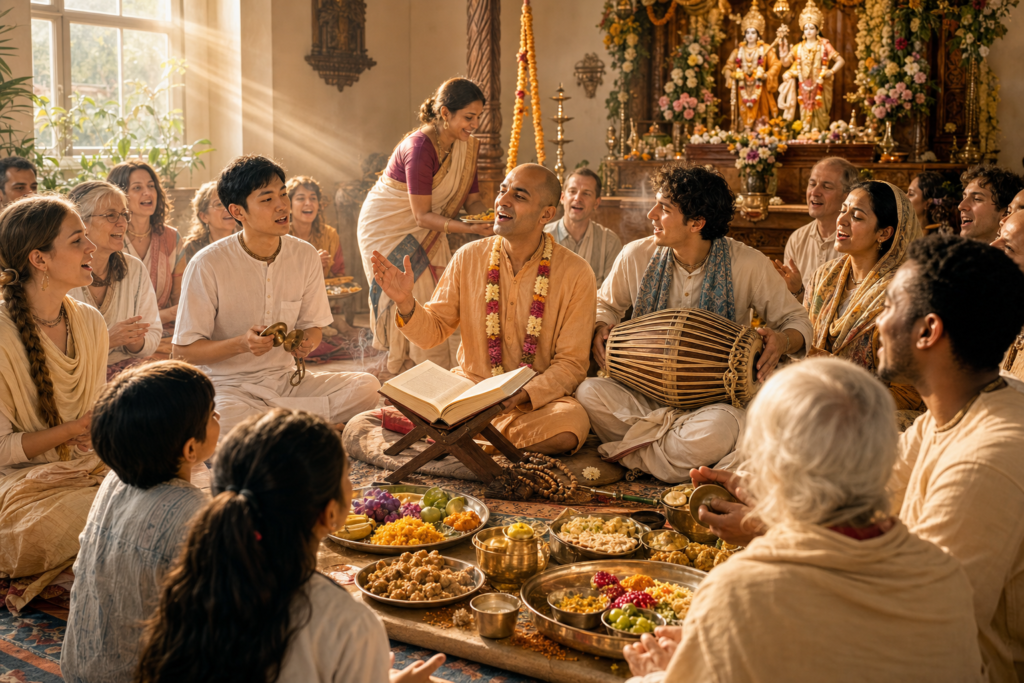
Common observances include a morning snana (purificatory bath), a simple fast or sattvic diet, and a mindful sankalpa (vow) to pursue righteous action without haste or harm. Many households perform Ganesha puja with durva grass, seasonal flowers, and traditional sweets such as modaka, accompanied by recitation of mantras like “Om Gam Ganapataye Namah,” and readings from Ganesha stotras. Acts of dana (charity) and service further reinforce the vrata’s spirit of compassion and responsibility.
For families, the two-day cadence provides a gentle framework: Chavithi to set intention and begin worship, Panchami to consolidate focus and dedicate the fruits of practice. Many devotees describe a palpable calm and regained momentum in personal and professional spheres, reflecting the vrata’s promise of harmonizing effort with grace.
Avighna Vrata also resonates with shared dharmic values across Hinduism, Buddhism, Jainism, and Sikhismself-discipline, ethical conduct, inner purification, and the promotion of social harmony. In this inclusive spirit, families often encourage collective participation, mindful speech, and acts of kindness, recognizing that the deepest obstacles are frequently internal and best addressed through community support and compassionate awareness.
Practical guidance enhances the observance: plan the vrata with reference to a regional panchang; embrace sustainability by opting for eco-friendly offerings; maintain a reflective journal of intentions and outcomes; and, where possible, participate in local temple worship. These steps help integrate the vrata’s insights into everyday choices, extending its benefits well beyond the festival window.
In summary, Avighna Vrata (Avigna Vratam) in 2026 is centered on February 22 within the Falgun Shukla Paksha, spanning Chavithi and Panchami. Observed with devotion to Ganesha and grounded in the Hindu calendar’s auspicious timing, the vow seeks the removal of obstacles, the strengthening of resolve, and the cultivation of peace. With thoughtful preparation and heartfelt practice, devotees experience the vrata as both a sacred tradition and a practical path to clarity, auspiciousness, and shared well-being.
Inspired by this post on Hindu Pad.