Navratri is a nine-night festival observed on a grand scale across India and in global communities with deep roots in Hindu culture. Falling in the Ashwin Month (Ashwayuja Masam) of the Hindu calendar, this period—also known as Maha Navratri, Durga Navratri, Devi Sharan Navratri, and Sharadiya Navratri—honors the many forms of the Divine Feminine and the enduring values of devotion, discipline, and community.
In 2026, Durga Navratri begins with Kalash Puja (Ghatasthapana), which inaugurates the sacred observances for the entire festival. Exact Navratri 2026 dates and the Kalash Puja muhurat are determined by the lunar tithis of Shukla Paksha in Ashwin Month (Ashwayuja Masam) and can vary by region and local panchang. As practice differs according to tradition and geography, it is advisable to confirm the Navratri 2026 schedule with a trusted local temple, community calendar, or regional panchang.
Traditionally, the nine nights are dedicated to nine manifestations of the Goddess: Shailaputri (Day 1), Brahmācharini (Day 2), Chandraghanta (Day 3), Kushmanda (Day 4), Skandamaatha (Day 5), Katyayani (Day 6), Kalaratri (Day 7), Mahagauri (Day 8), and Siddhidatri (Day 9). The tenth day, Vijayadashami (Dussehra), celebrates triumph over adharma and the renewal of righteous resolve. In many regions, especially in the East, these days coincide with Durga Puja festivities culminating on Maha Navami and Vijayadashami.
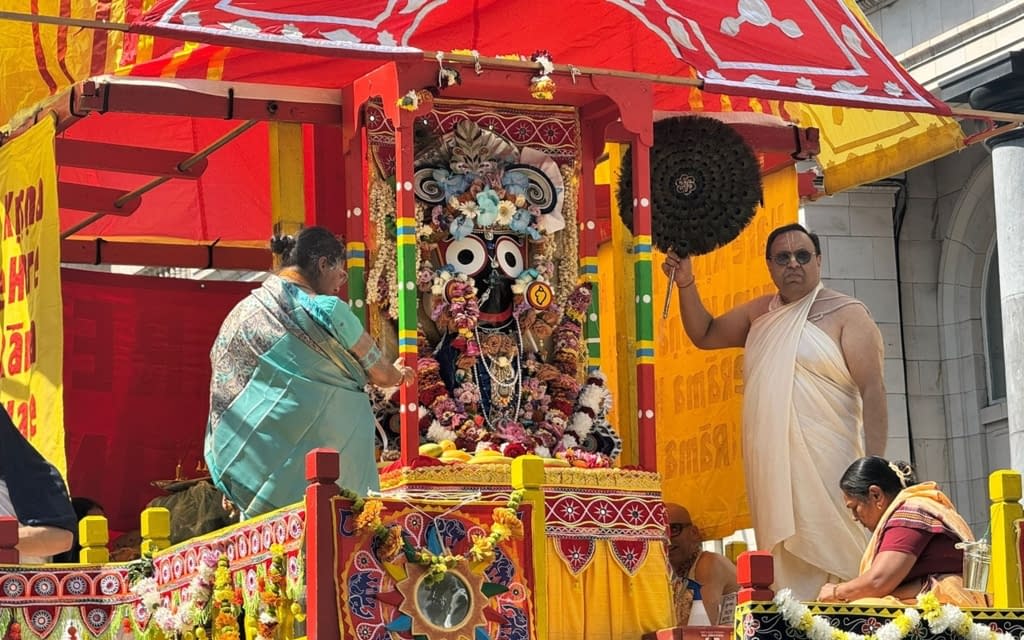
Core practices during Sharadiya Navratri include Kalash Puja, daily prayers, vrata (fasting), and recitations from the Durga Saptashati or other Devi stotras. Evenings often feature Garba and Dandiya, where communities gather in rhythmic celebration, reinforcing bonds across age, language, and region. Many families share stories of the Goddess, guiding children toward values like courage, compassion, and perseverance; devotees frequently describe this period as a time of inner renewal and clarity.
For Navratri 2026 planning, a practical approach includes verifying the local Ghatasthapana muhurat, aligning fasting and puja schedules with household routines, and coordinating with community groups for Garba and Dandiya events. Eco-conscious celebrations—such as using natural decor, responsible lighting, and sustainable materials—enhance the festival’s spirit while honoring the earth. Inclusive programming ensures shared participation, welcoming diverse communities into the festive space.
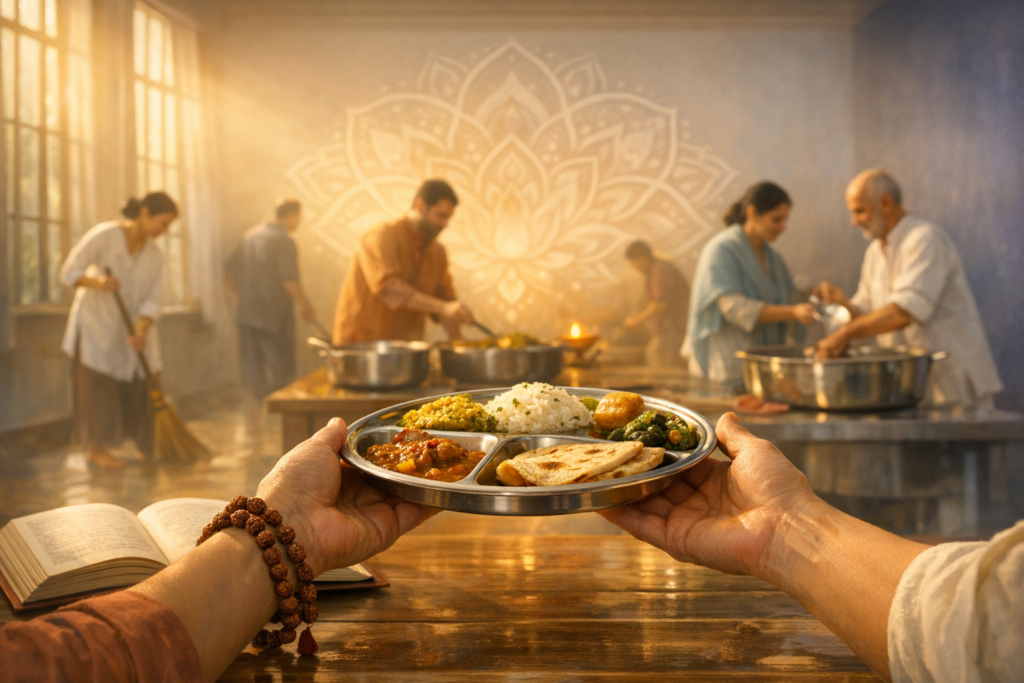
The spiritual essence of Durga Navratri 2026 resonates beyond ritual precision. It emphasizes the cultivation of inner strength (Shakti), ethical living, and seva. These values harmonize with the broader dharmic traditions of Hinduism, Buddhism, Jainism, and Sikhism, which collectively affirm self-discipline, compassion, and the pursuit of inner transformation. Observed thoughtfully, Navratri becomes a shared cultural moment that nurtures unity, reverence, and cultural continuity.
In summary, Navratri 2026 invites focused worship of the Divine Feminine through a schedule guided by the Hindu lunar calendar. While exact dates may differ by location, the festival’s core remains constant: nine nights of devotion, study, music, and community, culminating in Vijayadashami’s affirmation of dharma. This guide offers a reliable framework for organizing observances, while encouraging each household and community to confirm local timings and celebrate in ways that are spiritually grounded, culturally authentic, and environmentally mindful.
Inspired by this post on Hindu Pad.