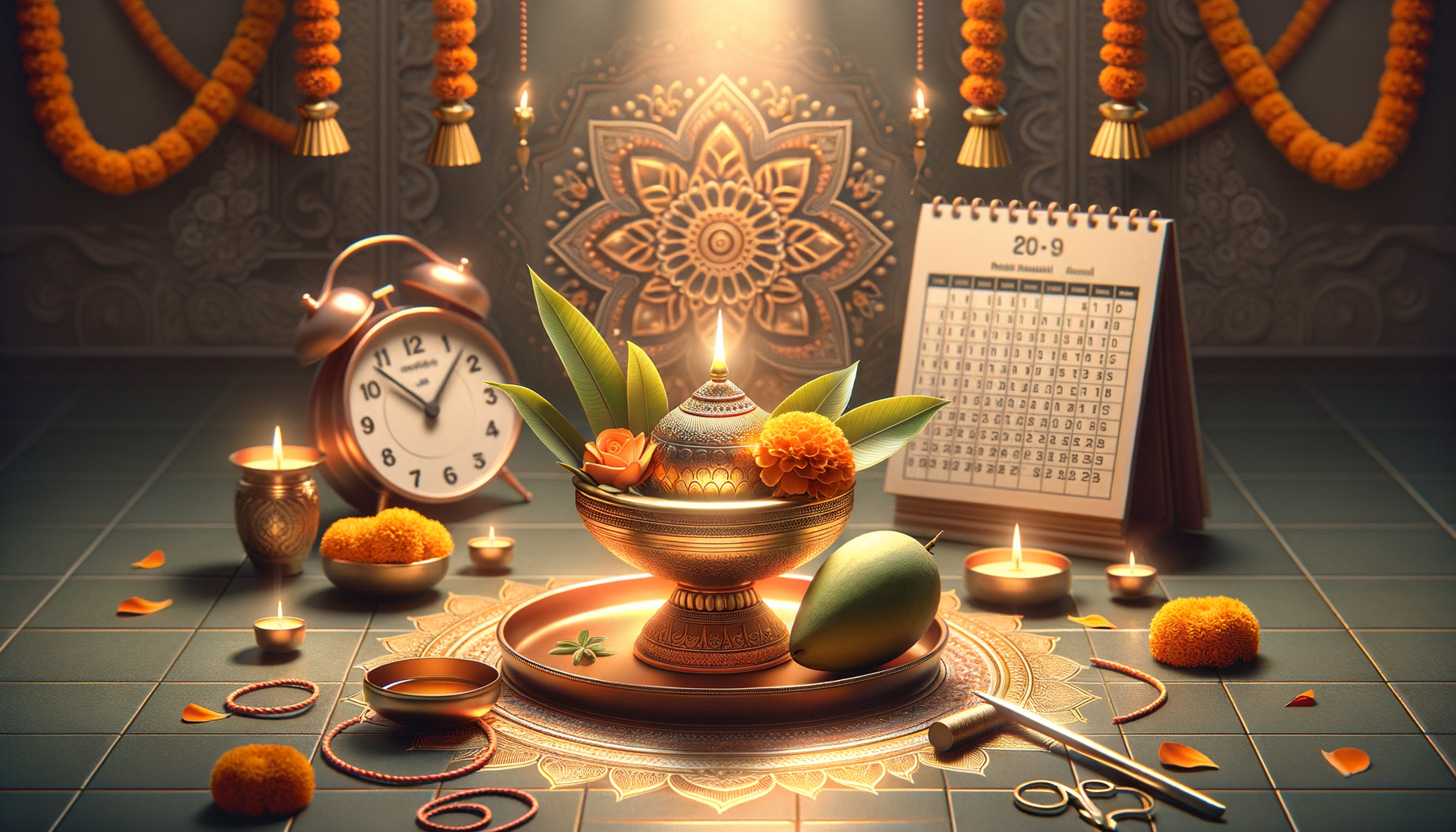
Abuj Muhurat—also known as Swayam Siddhi Muhurat—is revered in the Hindu calendar as a self-validated, highly auspicious window for initiating significant life events. In 2026, this concept continues to guide families and communities seeking clarity and confidence when planning milestones such as vivaha (wedding), Griha Pravesh (housewarming), business inaugurations, and other samskaras. Its enduring appeal lies in combining time-honored wisdom with practical convenience, helping diverse households align on an auspicious date without prolonged calculations.
What distinguishes Abuj Muhurat (Swayam Siddhi Muhurat) is its exemption from the usual Shuddhi process. There is no need to evaluate Tithi, Vaar (day), Nakshatra, Yog, Shukra Astha, or Guru Astha. Nor is it necessary to assess the native’s Surya, Chandrama, Guru, or Shani Gochar. By tradition, the moment itself is deemed intrinsically auspicious, simplifying decisions while preserving fidelity to Vedic tradition.
In lived practice, Abuj Muhurat reduces planning friction. Families report a sense of calm assurance when choosing these self-validating intervals, particularly for events where consensus among relatives and well-wishers matters. The approach is practical: select an Abuj Muhurat, then shape the day around community needs—venue logistics, priest availability, and household readiness—without the pressure of intricate Panchang computations.
While rooted in Hindu customs, the underlying spirit of mindful beginnings resonates across dharmic traditions—Hinduism, Buddhism, Jainism, and Sikhism—where intentionality, community well-being, and ethical preparation are valued. Recognizing this shared ethos nurtures unity in diversity, honoring each tradition’s practices while emphasizing mutual respect and inclusive celebration.
For 2026 planning, a balanced method serves best: use Abuj Muhurat to anchor the date, and complement it with thoughtful preparation—sankalpa (clear intention), satvik conduct, and simple puja or prayer according to family sampradaya. Many communities also combine Abuj Muhurat with customary blessings from elders or guidance from a trusted pandit, acharya, or community leader to honor lineage and local tradition.
Regional calendars differ, so verification remains essential. In many traditions, certain days—such as Akshaya Tritiya or Vijayadashami—are often treated as Swayam Siddhi Muhurat; however, practices vary by region and sampradaya. For 2026, consult a reliable regional Panchang or community almanac to confirm locally observed Abuj Muhurat days, including any regional protocols or exceptions. Diaspora communities may cross-check using trusted Panchang resources aligned with their home tradition.
A practical 2026 checklist helps streamline decision-making: (1) Identify locally recognized Swayam Siddhi Muhurat dates from a reputable Panchang, (2) confirm there are no regional prohibitions in force, (3) coordinate with elders and community guides, (4) schedule a time of day that accommodates participants, since the date itself carries the primary auspiciousness, and (5) prepare with sankalpa, daan, and community-conscious arrangements.
Ethically framed, Abuj Muhurat is not a shortcut but a complement to dharmic conduct. Good timing supports, but does not replace, right intention, diligence, and compassion. When used with discernment, it becomes a unifying practice—one that upholds the essence of dharma while welcoming the plurality of customs within and across dharmic traditions.
In sum, Abuj Muhurat (Swayam Siddhi Muhurat) in 2026 offers an academically grounded yet practical pathway to auspicious beginnings. It provides clarity for families, inclusivity for communities, and continuity for tradition—strengthening social harmony while remaining faithful to timeless wisdom preserved in the Panchang and lived through shared cultural practice.
Inspired by this post on Hindu Pad.